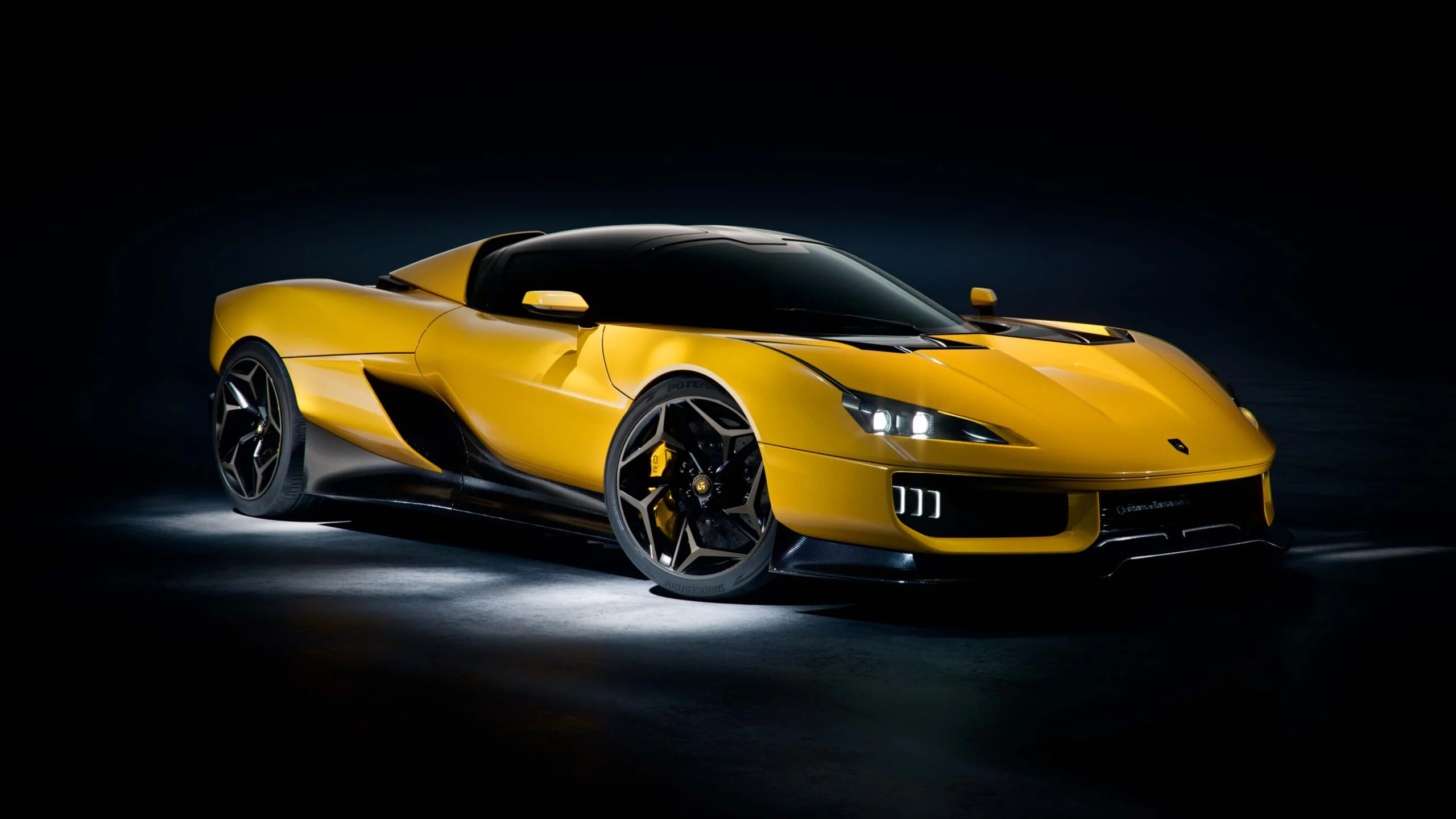
In the shadow of Maranello, less than twenty kilometres from Ferrari's front gate, two brothers have spent five years building a hypercar that makes no apologies. No hybrid assistance. No all-wheel-drive safety net. No corporate heritage to protect. Just a seven-litre V12 with four turbochargers, rear-wheel drive, and the kind of ambition that borders on insanity.
The Giamaro Krafla is the debut creation from Giacomo and Pierfrancesco Commendatore — founders of Giamaro, established in Modena in 2021. Named after an Icelandic volcano, the Krafla is exactly what its name suggests: a force of nature that has been dormant for years, now erupting with 2,157 PS at 9,000 rpm in its most extreme configuration.
The Engine: Three Keys, One Monster
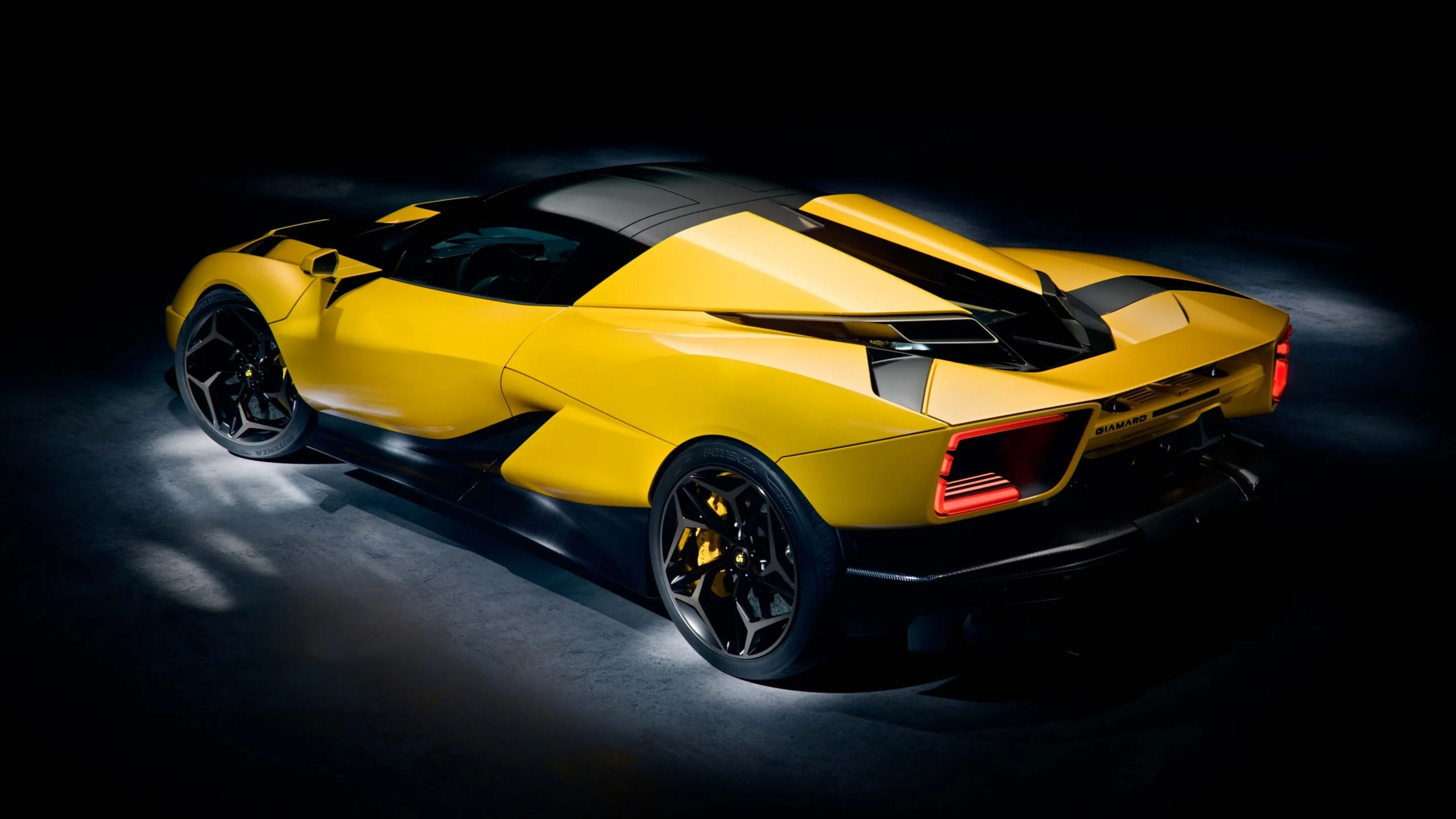
At the heart of the Krafla sits a 7.0-litre V12 in a 120° hot-V configuration with quad turbocharging — a completely bespoke unit developed in partnership with Italtecnica in Turin. This is not a modified production engine. It was designed from a blank sheet of paper for one purpose only: to deliver power without compromise.
What makes the Krafla genuinely unique is its three-key ignition system. Each physical key unlocks a different power level:
- White Key — 400 to 800 HP, adjustable for daily driving and wet conditions
- Black Key — 1,670 HP, full boost with controlled parameters for road use
- Red Key — 2,157 PS at 9,000 rpm, unrestricted output for track use only
Three physical keys. Three different cars. The kind of mechanical drama that no touchscreen mode selector could ever replicate.
Giamaro Krafla Top Speed and 0–100 km/h
Giamaro publishes output, torque, weight and aerodynamic data for the Krafla, but no acceleration or top-speed figures. The official specification confirms 1,670 PS at 8,500 rpm with 1,556 Nm in standard configuration, 2,157 PS at 9,000 rpm with 2,008 Nm in the extreme setting, a 7-speed automated manual gearbox and a drag coefficient of 0.33 (Giamaro).
Independent databases estimate roughly 2.5–3.0 seconds to 100 km/h and a top speed close to 386 km/h (240 mph) for the 2,157 PS configuration (FastestLaps). These are calculated values, not manufacturer claims, and they should be treated as provisional until Giamaro releases verified test data.
The relevant number in the meantime is the power-to-weight ratio: 2,157 PS against a 1,450 kg kerb weight works out at roughly 1.49 PS per kilogram, ahead of every current production hypercar. Rear-wheel drive without hybrid torque fill means traction and gearing, not power, define the launch.
Krafla GC: Top Marques Monaco and Salon Privé Debuts
The Krafla GC is not a separate variant but the car presented in Giamaro's GC livery — Azzurro Giamaro, Bianco Infinito and Grigio Cenere over exposed carbon-fibre bodywork. It took its European premiere at the 21st Top Marques Monaco on 6–10 May 2026 (autonext).
Its UK debut followed at Salon Privé, held at Blenheim Palace from 2 to 6 September 2026, where the GC-liveried car was shown in the Automotive Gallery alongside the UK premieres of the Lamborghini Revuelto SV and the BRABUS Bodo (Salon Privé).
From Katla to Krafla: the Name Change
The car was originally unveiled as the Giamaro Katla. Giamaro later announced that the production model would carry the definitive name Krafla — another Icelandic volcano (macchina.de). No reason for the change has been published.
Both names refer to the same 6,988 cc quad-turbo V12 car, which matters when comparing figures: several specification databases still file the vehicle under Katla, so numbers attributed to a “Giamaro Katla 2157 PS” describe the Krafla.
Carbon Monocoque: 170 kg of Nothing
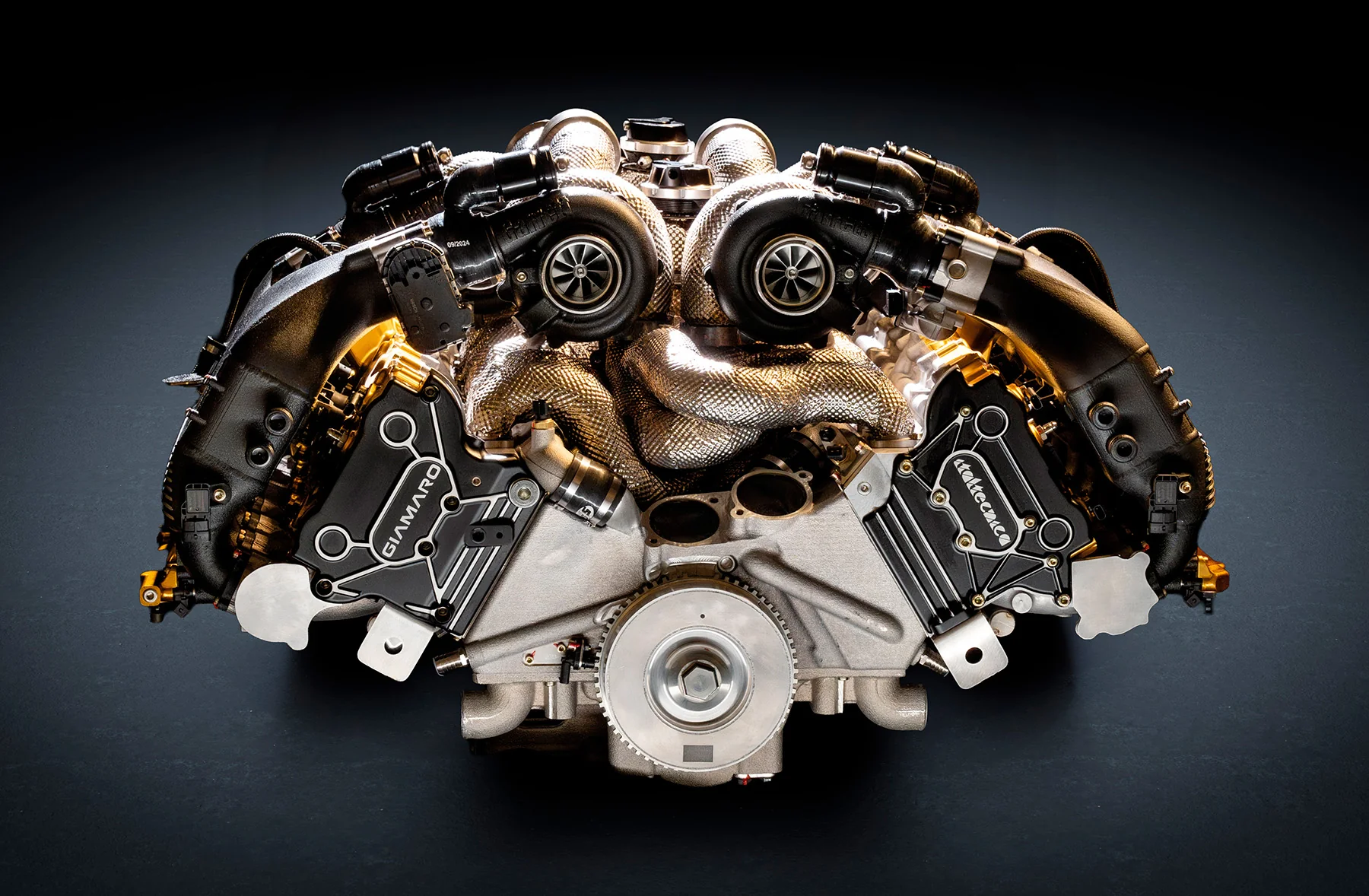
The Krafla's carbon fibre monocoque weighs just 170 kg — lighter than many superbike frames. Total kerb weight sits under 1,450 kg, giving the car a power-to-weight ratio that makes most hypercars look overweight. The 7-speed automated manual gearbox sends every one of those 2,157 PS exclusively to the rear wheels. No electric motors. No front axle drive. Pure, unfiltered mechanical violence.
The Legends Behind the Machine
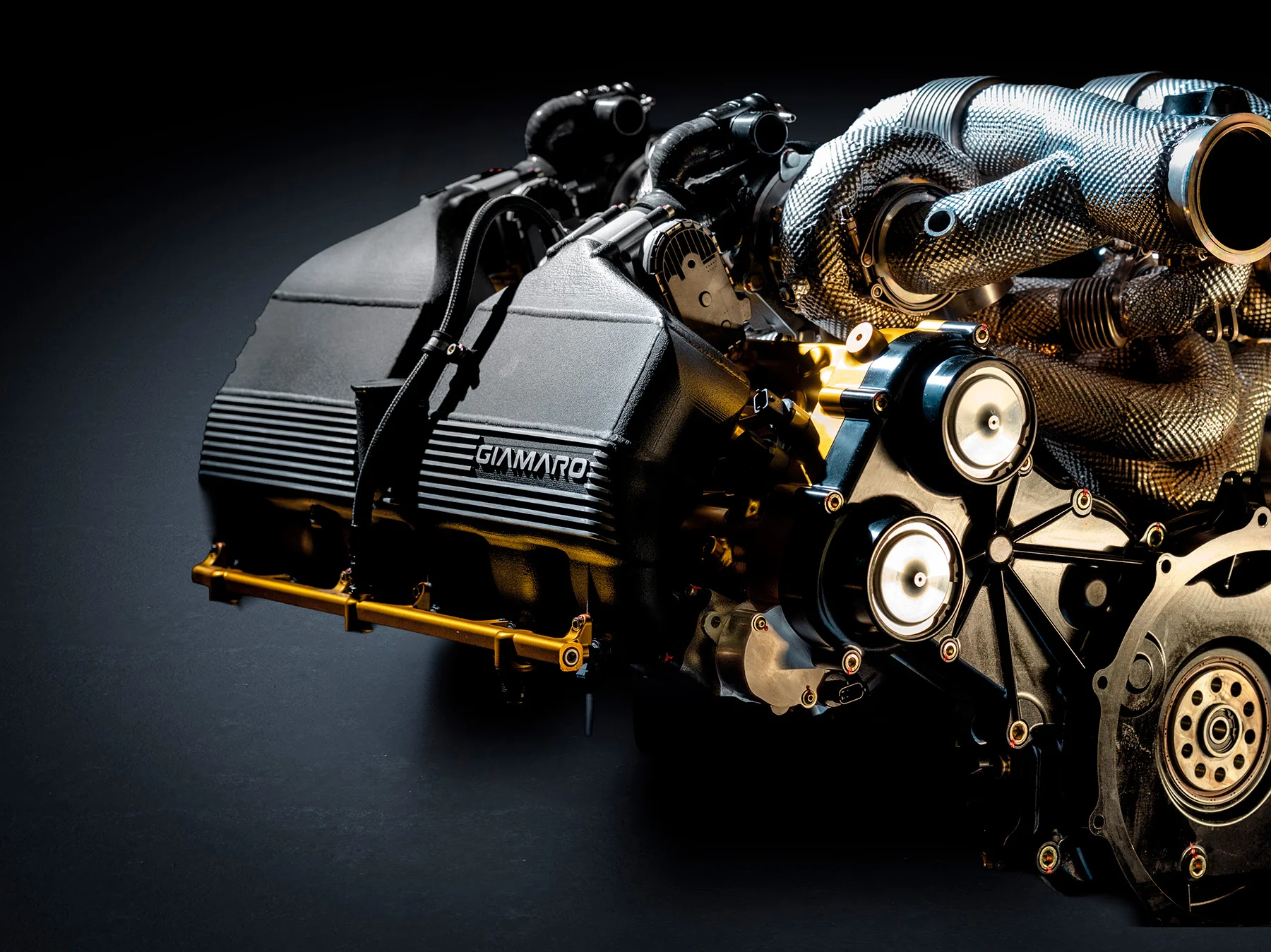
Giamaro did not hire junior engineers and hope for the best. They brought in the best in the business. Loris Bicocchi — the man who developed the Bugatti EB110, Veyron, and Chiron, as well as the Pagani Zonda — serves as lead test driver and development consultant. The car's design comes from Alessandro Camorali, whose portfolio includes work at Ferrari, Pininfarina, and Bertone.
When you put a Bicocchi-developed chassis under a Camorali-drawn body wrapped around a bespoke Italtecnica V12, you are not looking at a startup vanity project. You are looking at a genuine weapon from people who have built the most important cars of the last three decades.
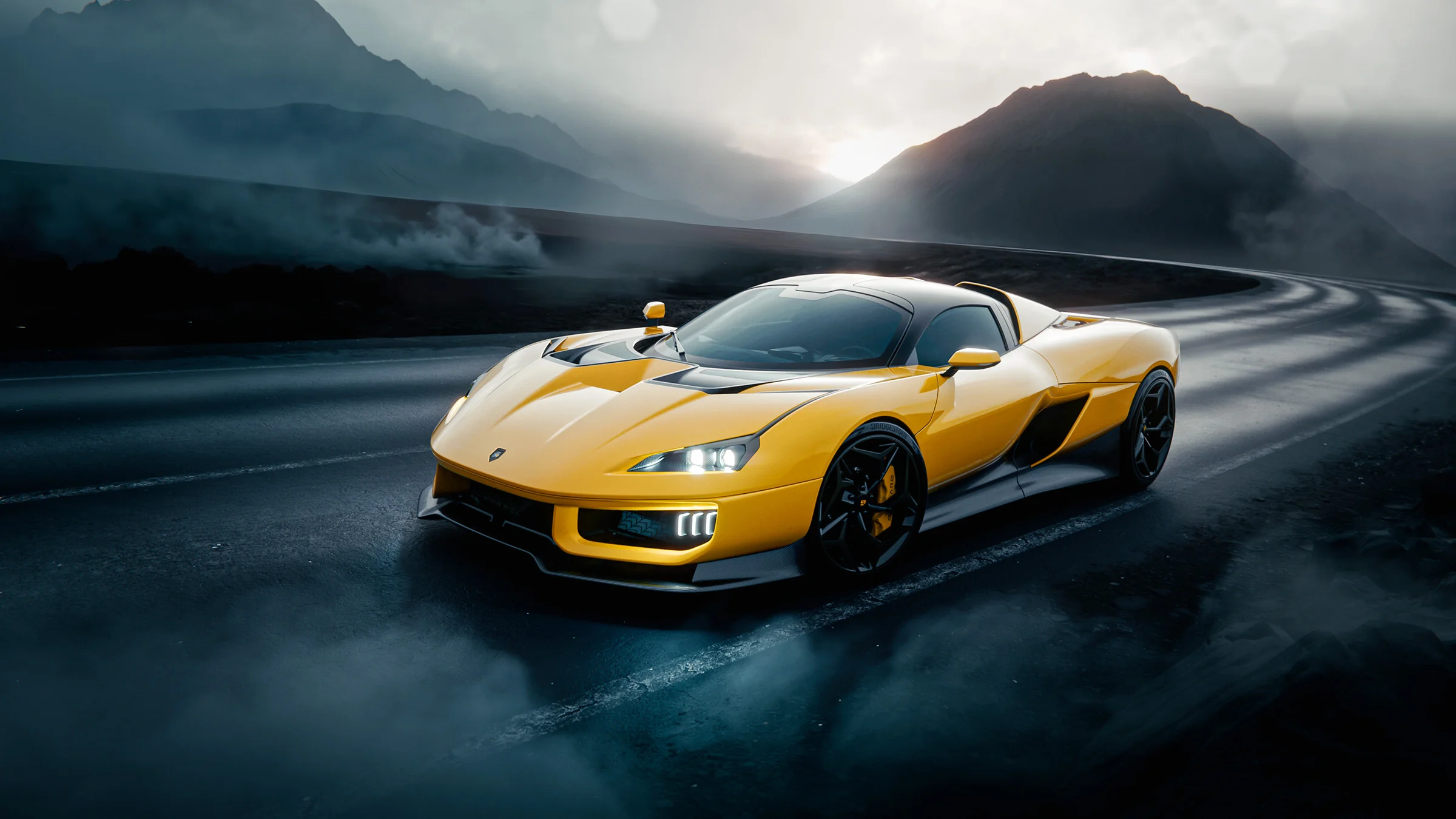
Giamaro Krafla Price: €2.47 Million
The Krafla is priced from €2,470,000 before options and local taxes, with first customer deliveries scheduled for 2027 (Monochrome).
Volume figures differ between sources. Giamaro has stated a target of 100 examples with an assembly capacity of around 30 cars per year at its facility near Modena (Top Gear), while several European outlets describe the initial allocation as a 30-car run with 20 already sold (Supercars.net). Read the 30-car figure as the first production tranche rather than the programme total.
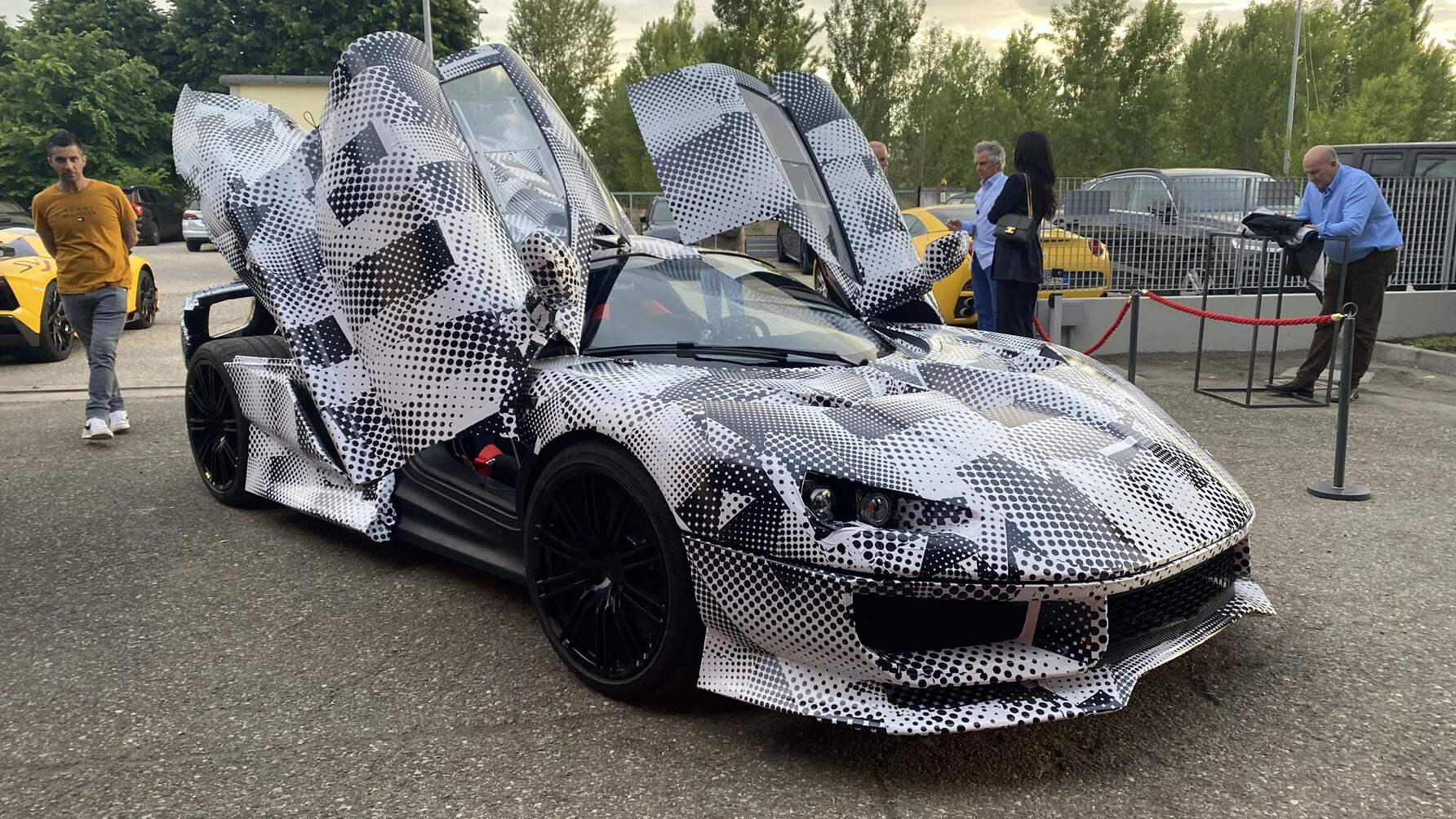
No hybrid system, no driven front axle, no electronic output selection: the Krafla concentrates a 6,988 cc quad-turbo V12, three physical power keys and rear-wheel drive into a 1,450 kg carbon structure. Verified performance data and the first customer deliveries are both expected before the 2027 build slots are filled.
Krafla vs Bugatti Tourbillon, Ferrari F80 and Jesko Absolut
Against the current hypercar reference points, the Krafla is the outlier on three counts: no electrification, no driven front axle, and the highest quoted output of the group.
| Model | Power | Powertrain | Price / Units |
|---|---|---|---|
| Giamaro Krafla | 2,157 PS | 6,988 cc quad-turbo V12, RWD, no hybrid | from €2.47m / 100 planned |
| Bugatti Tourbillon | 1,800 hp | 8.3L NA V16 plug-in hybrid, AWD | €3.8m / 250 |
| Ferrari F80 | 1,200 PS | 3.0L twin-turbo V6 hybrid, AWD | approx. €3.6m / 799 |
| Koenigsegg Jesko Absolut | 1,600 hp (E85) | 5.0L twin-turbo V8, RWD | approx. $3.4m / 125 |
Figures: Bugatti Tourbillon, Ferrari F80, Koenigsegg Jesko Absolut. The Krafla is also the only car of the four whose output is selected by a physical key rather than a drive mode.
Sources & Verification
- Official specification and design data — giamaro.com/krafla
- Price, power keys, kerb weight, delivery timing — Monochrome Watches
- Krafla GC, Top Marques Monaco 2026, engine architecture — autonext
- Salon Privé 2026 UK debut — Salon Privé Concours
- Katla to Krafla name change — macchina.de
- Production volume and annual capacity — Top Gear, Supercars.net
- Performance estimates — FastestLaps