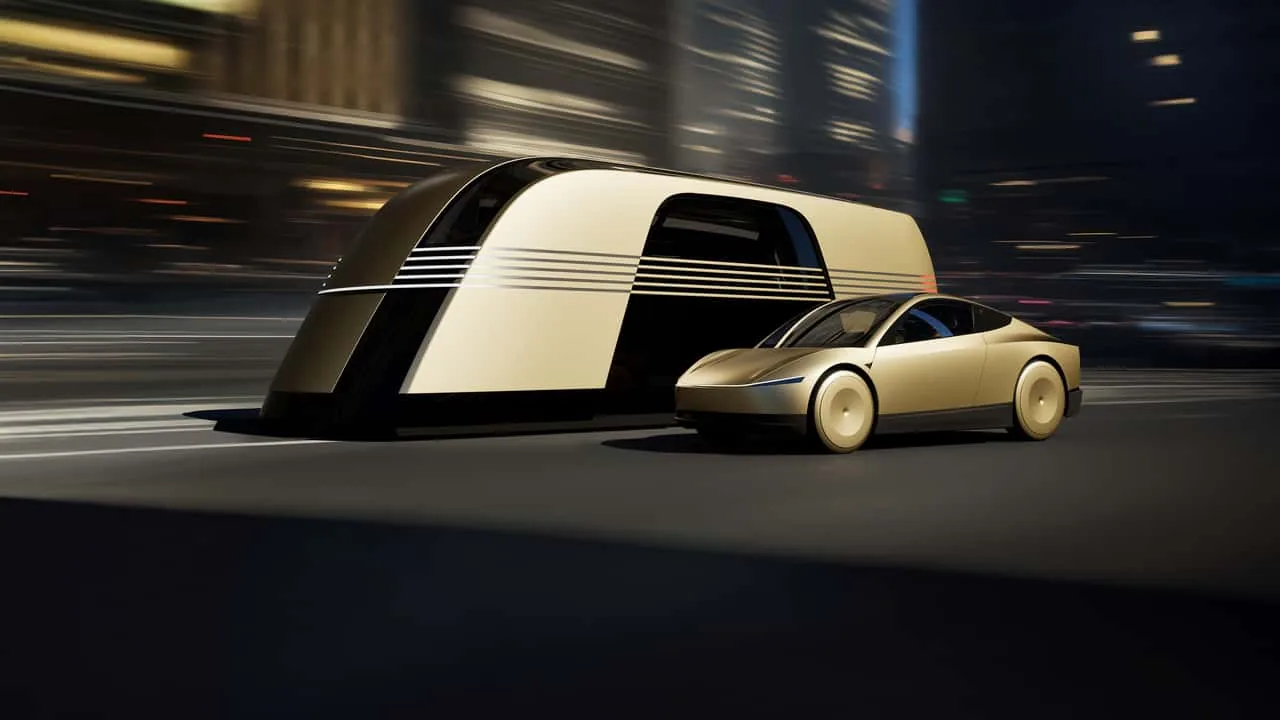
Tesla's Robotaxi project moved from concept to street-legal reality in 2026. The purpose-built Cybercab, now EPA-certified and in production at Giga Texas, opened to the general public in Austin, Texas on September 4, 2026, joining a driverless network that already spans six cities across two states. The vision is enormous; the rollout, so far, remains deliberately incremental — and now under active federal review, with Europe still waiting for a regulatory path of its own.
TESLA CYBERCAB PRICE
Target under $30,000 (Tesla goal, unconfirmed) · not sold to individuals yet · ~293-mile EPA-style range
What Is the Tesla Robotaxi?
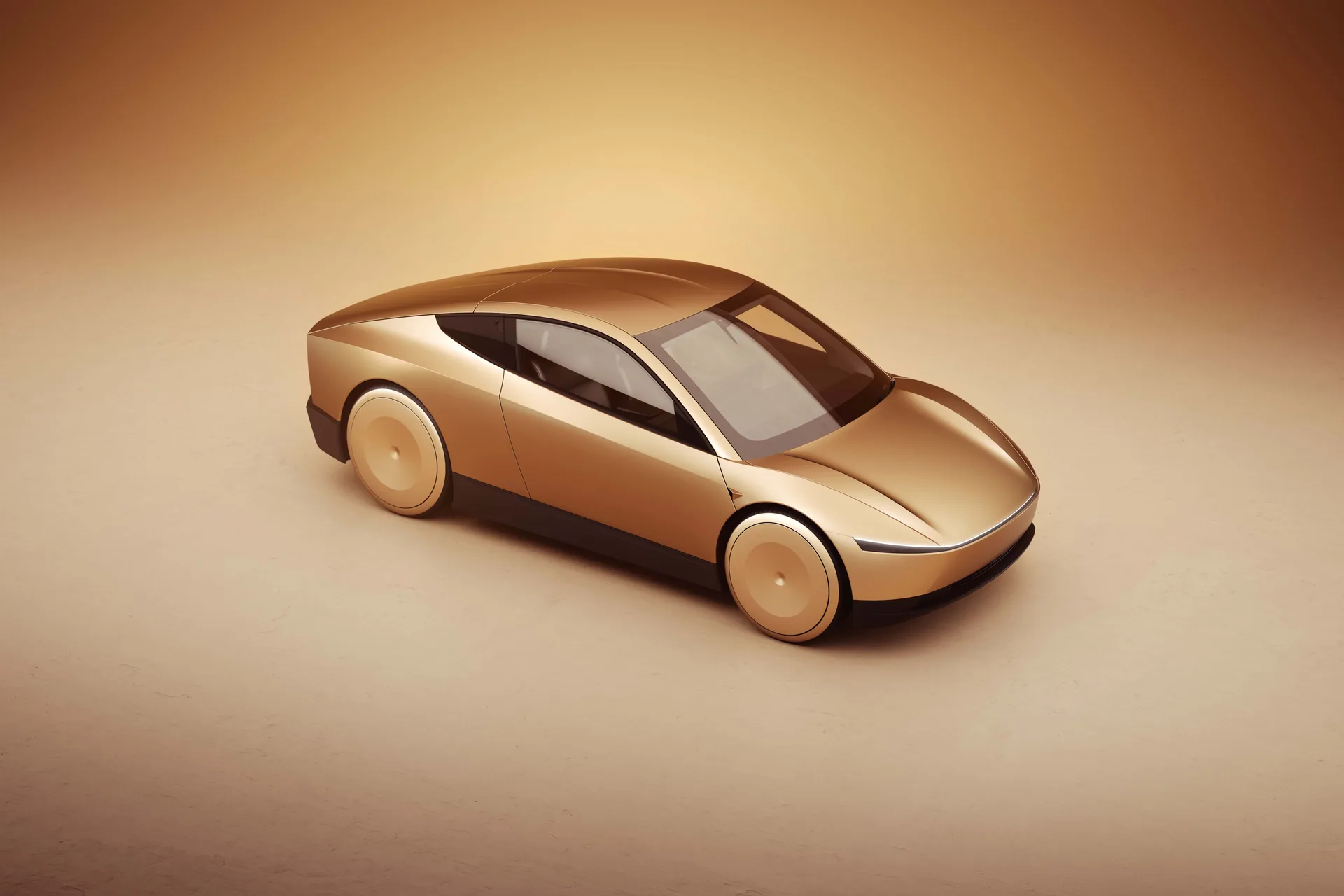
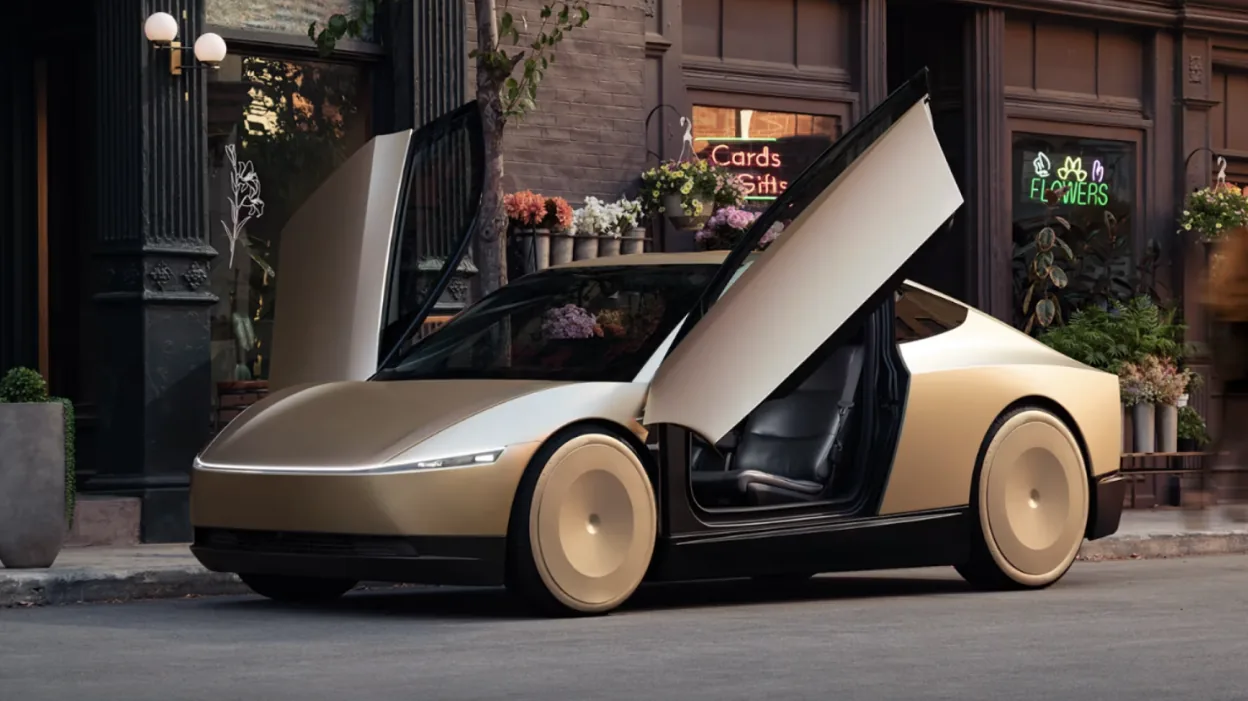
“Robotaxi” is Tesla’s driverless ride-hailing service, running on its Full Self-Driving (FSD) software. It launched as a pilot in Austin, Texas, in mid-2025 using modified Model Y vehicles, and in 2026 it has expanded to additional Texas cities. The dedicated vehicle built for that network is the Cybercab — a two-seat autonomous EV designed from scratch with no steering wheel and no pedals.
The two are distinct but linked: the Robotaxi is the network and software; the Cybercab is the hardware purpose-built to scale it. For now the live fleet still relies mainly on Model Ys, with Cybercabs ramping up in the background.
Cybercab Specs: The Most Efficient EV Ever Certified
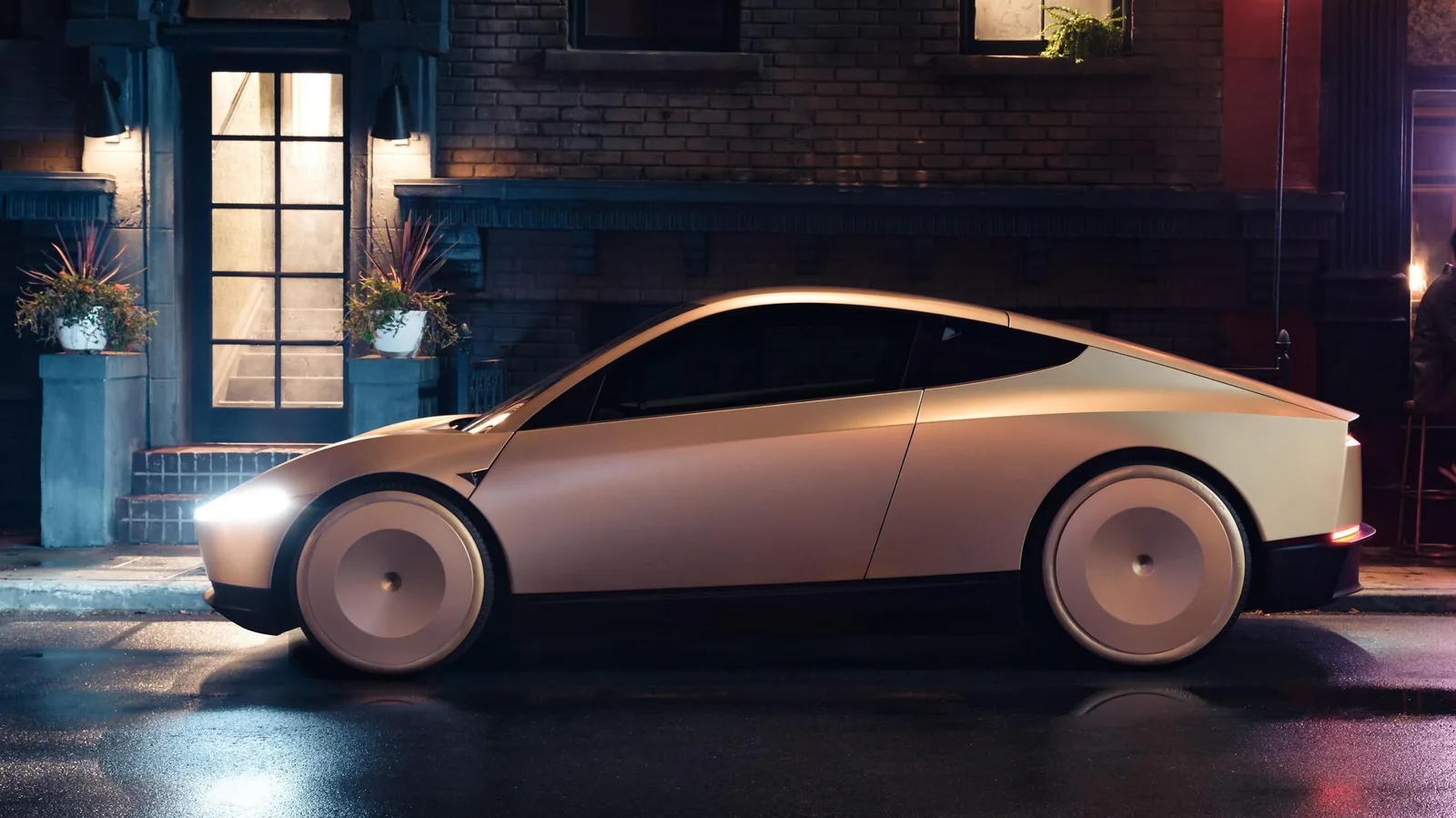
In June 2026, EPA certification documents revealed the Cybercab’s production figures for the first time. It is powered by a single front-mounted three-phase AC permanent-magnet motor producing about 219 hp (163 kW), fed by a compact 47.6 kWh battery. At roughly 3,113 lb, it is the lightest car Tesla has ever built — around 400 lb less than a Model 3.
The headline number is efficiency: 165 Wh/mile, which Tesla and the EPA filing frame as the most efficient EV ever certified for production. Lab testing showed up to 418 miles of unadjusted range; the real-world EPA-style figure lands closer to ~293 miles, in line with Tesla’s original “around 300 miles” target. A small battery is a deliberate choice — a robotaxi doing short urban hops never needs a huge pack, and a smaller one is cheaper.
Tesla Cybercab Specifications
| Specification | Value |
|---|---|
| Layout | Two-seat autonomous EV, no steering wheel or pedals |
| Motor | Single front three-phase AC permanent-magnet |
| Power | ~219 hp (163 kW) |
| Battery | 47.6 kWh lithium-ion |
| Efficiency | 165 Wh/mile (most efficient EV certified) |
| Range (real-world est.) | ~293 miles (~472 km) |
| Curb weight | ~3,113 lb (1,412 kg) |
| Drivetrain | Front-wheel drive, single-speed |
| Charging | Wireless inductive (expected) |
| Doors | Two upward-opening butterfly doors |
| Production | Giga Texas, ramping since April 2026 |
| Target price | Under $30,000 (Tesla target, unconfirmed) |
Inside the Cybercab: Cabin, Screen and Comfort
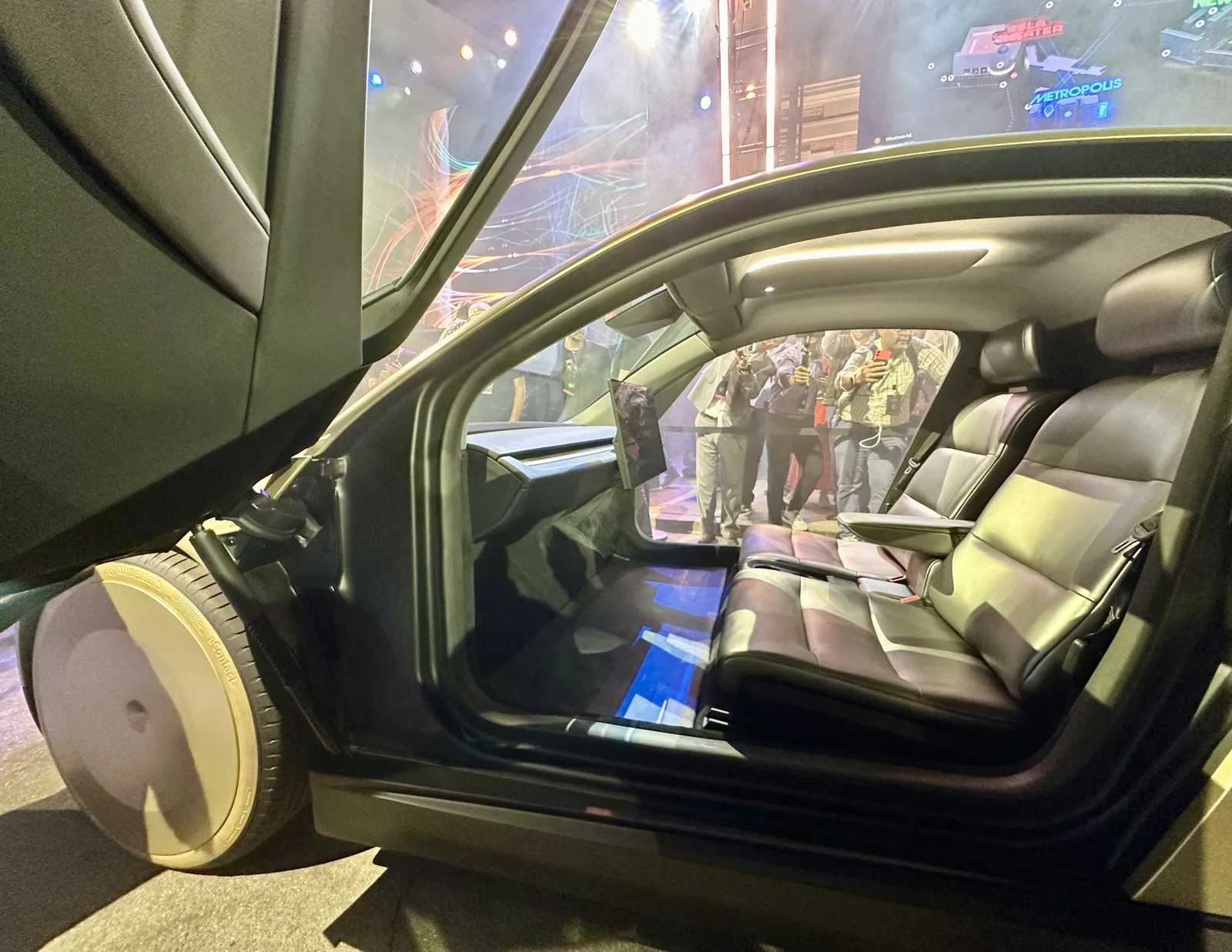
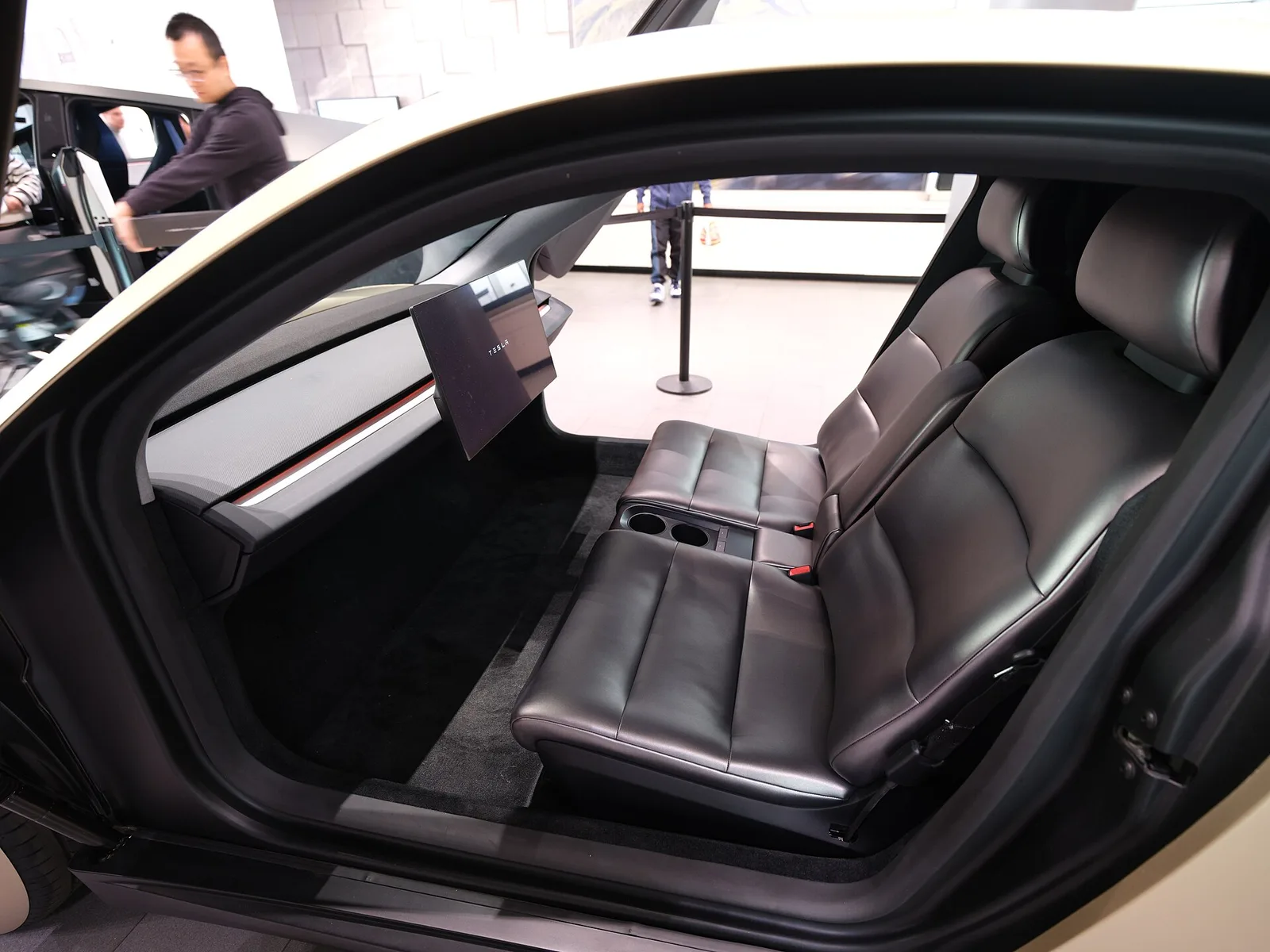
The cabin is built entirely around the absence of a driver. There is no steering wheel, no pedals and no traditional instrument cluster — the forward-facing area is dominated by a 22-inch center touchscreen running on Tesla's Unreal Engine-based interface, with USB-C ports mounted below it. Nine external cameras cover the car's surroundings, and a tenth camera watches the interior to flag whether the vehicle needs cleaning or has items left behind after a ride.
Despite the compact two-seat footprint, Tesla says the cabin offers 43.4 inches of legroom — more than a Model Y's second row — along with 38.3 inches of headroom and a 16.5-inch step-in height at the door. Both seats recline independently far enough that early riders described being able to fall asleep, and every seat, climate and media adjustment is made from the center screen or the Tesla app rather than a physical switch; personal settings clear automatically once the rider steps out.
Storage is limited to a 20.2-cubic-foot rear trunk rated for 220 lb — Tesla says it fits two checked bags and two carry-ons, or a folded wheelchair, but there is no front trunk. Safety equipment includes front, knee, curtain and seat-mounted airbags for both occupants, braille markings on the essential controls, and a system that automatically brakes and pulls the car over if a seatbelt or door unlocks unexpectedly mid-ride. Riders under 13 cannot travel alone, and those 13–17 need an accompanying adult.
Cybercab's Public Launch in Austin (September 2026)
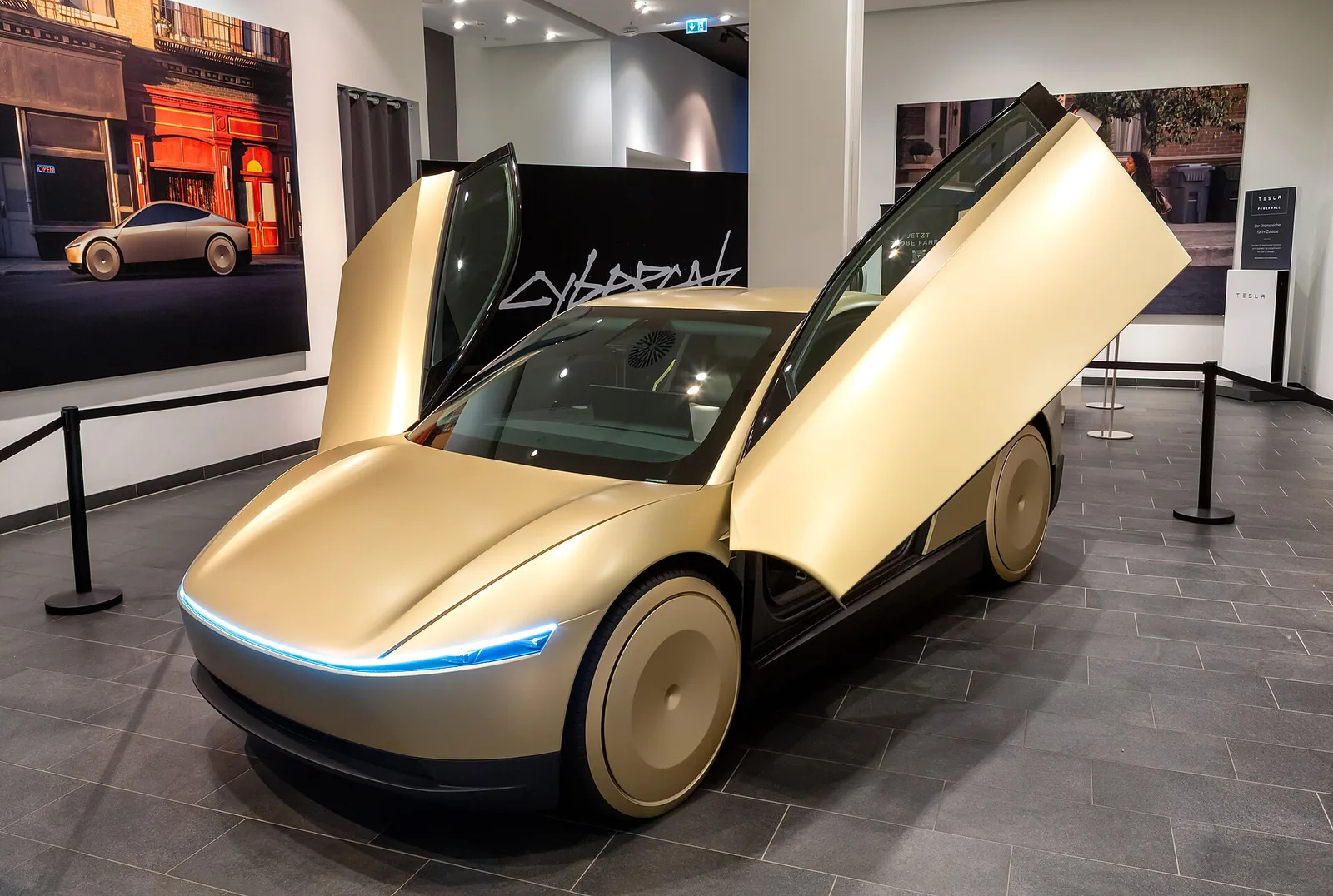
The Cybercab moved from staged inventory to paying passengers in early September 2026. Tesla held an invite-only launch event in Austin on September 3, offering the first rides in a limited area of the city, then opened the service to the general public the next day — September 4, at 5 p.m. Central Time. It is the first time Tesla's purpose-built, steering-wheel-free robotaxi has carried members of the public rather than employees or invited guests.
Texas vehicle registration records show Tesla added 45 Cybercabs to its state autonomous-vehicle fleet around the launch, lifting the total to 420 registered autonomous vehicles — up from 314 just days earlier. Because the Cybercab has no steering wheel or pedals, a configuration federal motor-vehicle safety standards have historically required for vehicles sold to the public, the launch drew immediate regulatory attention: the National Highway Traffic Safety Administration said it is in contact with Tesla and is evaluating the situation.
Tesla paired the launch with a rare expansion of the Austin geofence — its first growth in roughly ten months — pushing the operating area about 9–10% larger, to around 288 square miles, and extending it north toward Pflugerville, the Domain and Mesa Park. Operating hours were also extended to 6 a.m.–10 p.m., seven days a week, so every ride inside the zone can run fully unsupervised rather than only during a narrower daytime window.
Tesla has not published a fare card for either vehicle, but on one identical Austin route the Robotaxi app priced a Cybercab ride at $7.77 versus $12.10 for a Model Y Robotaxi — roughly a third cheaper. Tesla has also opened a public interest form, “Help Us Build Our Robotaxi Network,” inviting companies to register for Cybercab fleet purchases and depot infrastructure; there is currently no path for individual owners to buy one.
Where Robotaxi Operates Today
As of September 2026, Tesla’s driverless service spans six cities across two states: Austin, Dallas and Houston in Texas, plus Miami, Orlando and Tampa in Florida. Austin remains the flagship, with the largest and longest-running geofence, now enlarged to roughly 288 square miles. Dallas and Houston launched on April 18, 2026, Miami followed on July 3, and Orlando/Tampa opened on July 21.
Tesla has also registered ground-validation vehicles fitted with LiDAR in Plano, a Dallas suburb, hinting the network could keep growing in Texas even though no new city there has been confirmed yet. Applications remain pending for Phoenix, Arizona and Las Vegas/Clark County, Nevada, but neither had launched as of this writing. In California's Bay Area, Tesla still operates only with a human safety driver behind the wheel — it does not yet hold a permit for driverless or public robotaxi service in that state. Tesla has said it does not expect meaningful Robotaxi revenue before 2027.
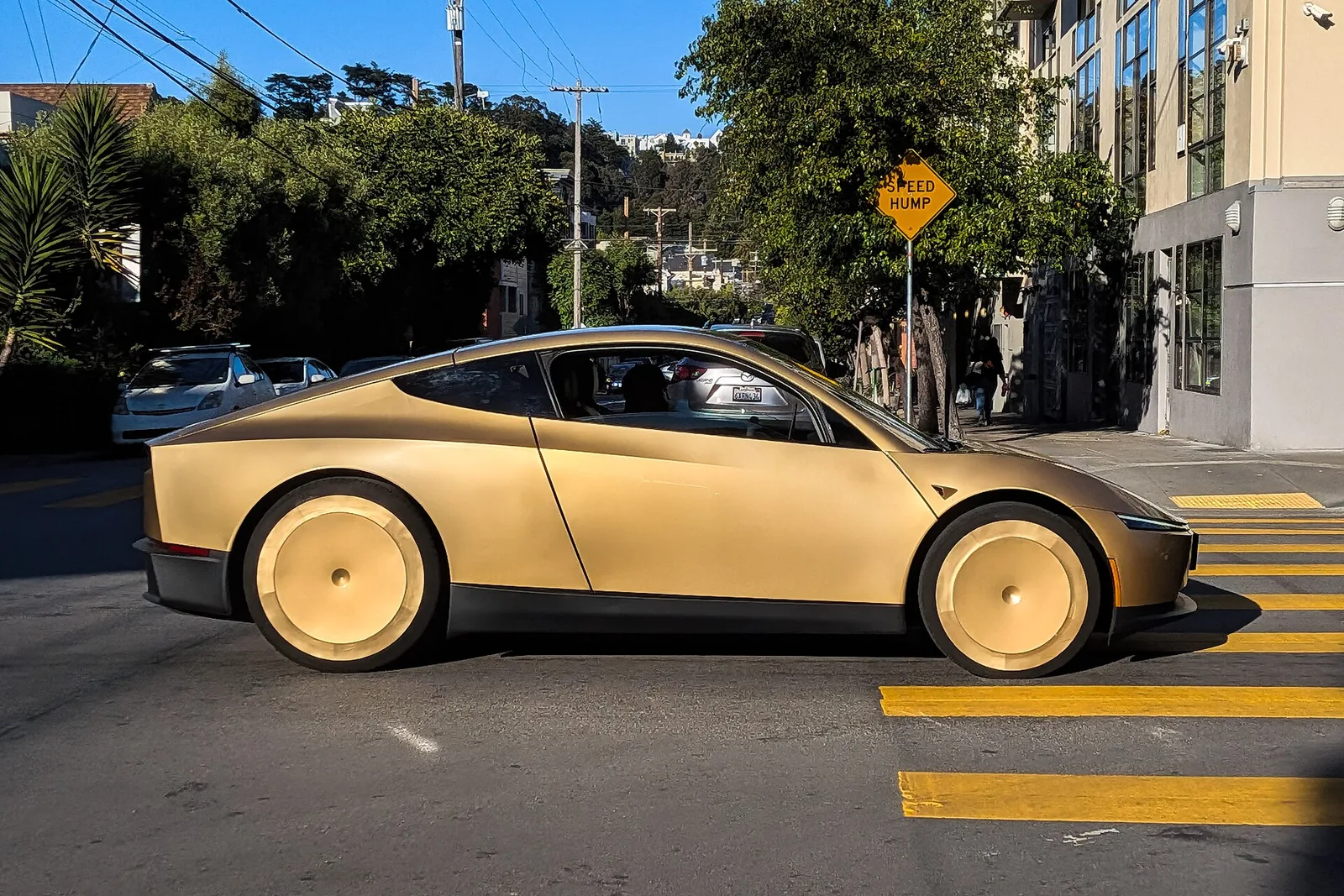
Safety Record and the NHTSA Audit: Cybercab Testing in Texas
The early safety data is a genuine talking point. According to NHTSA crash data, Tesla’s driverless fleet went four straight months without a single collision caused by its FSD software. The fleet did record minor incidents in that window — including a stationary Robotaxi being rear-ended at a red light — but those were attributed to human drivers, not the autonomous system. Independent trackers estimate the fleet has logged hundreds of thousands of incident-free autonomous miles.
The Cybercab's launch changed the regulatory picture. Rather than filing for the federal Part 555 exemption that rival Zoox used to put its own steering-wheel-free vehicle into paid service in Las Vegas — a route capped at 2,500 vehicles per year — Tesla self-certified that the Cybercab already meets the Federal Motor Vehicle Safety Standards, including provisions that have historically assumed a steering wheel, pedals, mirrors and a foot-operated brake. On September 4, 2026, the day after the Austin launch event, the National Highway Traffic Safety Administration opened an audit query into how Tesla reached that self-certification.
Texas's own approval process is comparatively light: the state's Department of Motor Vehicles does not sign off on individual autonomous-vehicle models. Operators such as Tesla Robotaxi LLC — authorized since May 24, 2026 — simply attest that their fleet meets state and federal requirements, and TxDMV was not notified in advance before the 45 Cybercabs were added to the registered fleet. Austin's city government played a supporting role, running first-responder training sessions ahead of the launch, but has little direct authority over the rollout.
Reported incidents remain small in absolute terms but are being tracked closely: Austin logged 10 total incidents or complaints involving Tesla autonomous vehicles since testing began in June 2025, with seven categorized as safety concerns — including a vehicle running a red light, one traveling the wrong way on a temporarily converted one-way street, and a September 2 near-miss with a pedestrian on South Congress Avenue involving an unoccupied Robotaxi. NHTSA has said it is monitoring the deployment as it continues.
Will Robotaxi Come to Europe? Regulations Explained
Nothing about the Cybercab is currently street-legal in Europe, and the gap is regulatory rather than technical. Where Tesla self-certified the Cybercab's compliance in the United States, the European Union has no equivalent shortcut — a designated technical service must test the vehicle and an approval authority must sign off before it can carry a paying passenger on a public road. The relevant framework, the EU's small-series type-approval annex to Regulation (EU) 2018/858, has permitted fully automated vehicles since December 2022, but caps any single vehicle type at 1,500 units per year across the entire bloc — well below the 2,500-vehicle-per-year ceiling under the equivalent US Part 555 exemption route.
Tesla's more immediate European priority is FSD Supervised, a driver-assisted system that still requires a human behind the wheel and is already recognized in five EU countries. A bloc-wide committee vote on Tesla's FSD Supervised safety case is scheduled for October 6, 2026; the Cybercab, a fully driverless two-seater with no steering wheel, sits several approval classes above that system and has no timeline of its own. Tesla's announced international plans for the Cybercab in September 2026 covered only static displays in Hong Kong, Beijing, Shanghai and Tokyo — no European city was included. Rival Waymo, by contrast, has already selected Munich for what it calls Europe's first fully driverless robotaxi service, targeting a commercial start by the end of 2027.
Level 4, Regulation and the Road to Scale
Tesla has self-certified its Robotaxi platform as SAE Level 4 — capable of full autonomy within a defined operating domain, with no human intervention required. It is pushing hard on the regulatory front: filings in Nevada request a permit for up to 5,000 vehicles in Clark County (greater Las Vegas), and applications in Arizona target Phoenix, Scottsdale, Tempe and more. The Cybercab itself received its EPA Certificate of Conformity, making it street-legal nationwide from an emissions standpoint.
Drone footage has shown well over 150 Cybercabs staged at Giga Texas and a Dallas lot, with reports of 100+ built in a single day at peak. The pieces for scale are visibly being assembled — even if the live, revenue-generating fleet is still measured in dozens, not thousands.
Why It Matters for Enthusiasts
For a community built around driving, an autonomous two-seater with no steering wheel is a provocation — but it is also a glimpse of how the broader car world is splitting in two. As everyday mobility moves toward shared, driverless electric pods, the driver-focused supercar becomes an even more deliberate, emotional choice. The Cybercab and the analog hypercar are two ends of the same story about where cars are headed.
For those who want to keep the tactile, mechanical side of cars close,crafts wall clocks from real forged car wheels — a piece of physical automotive craft in an increasingly digital age.