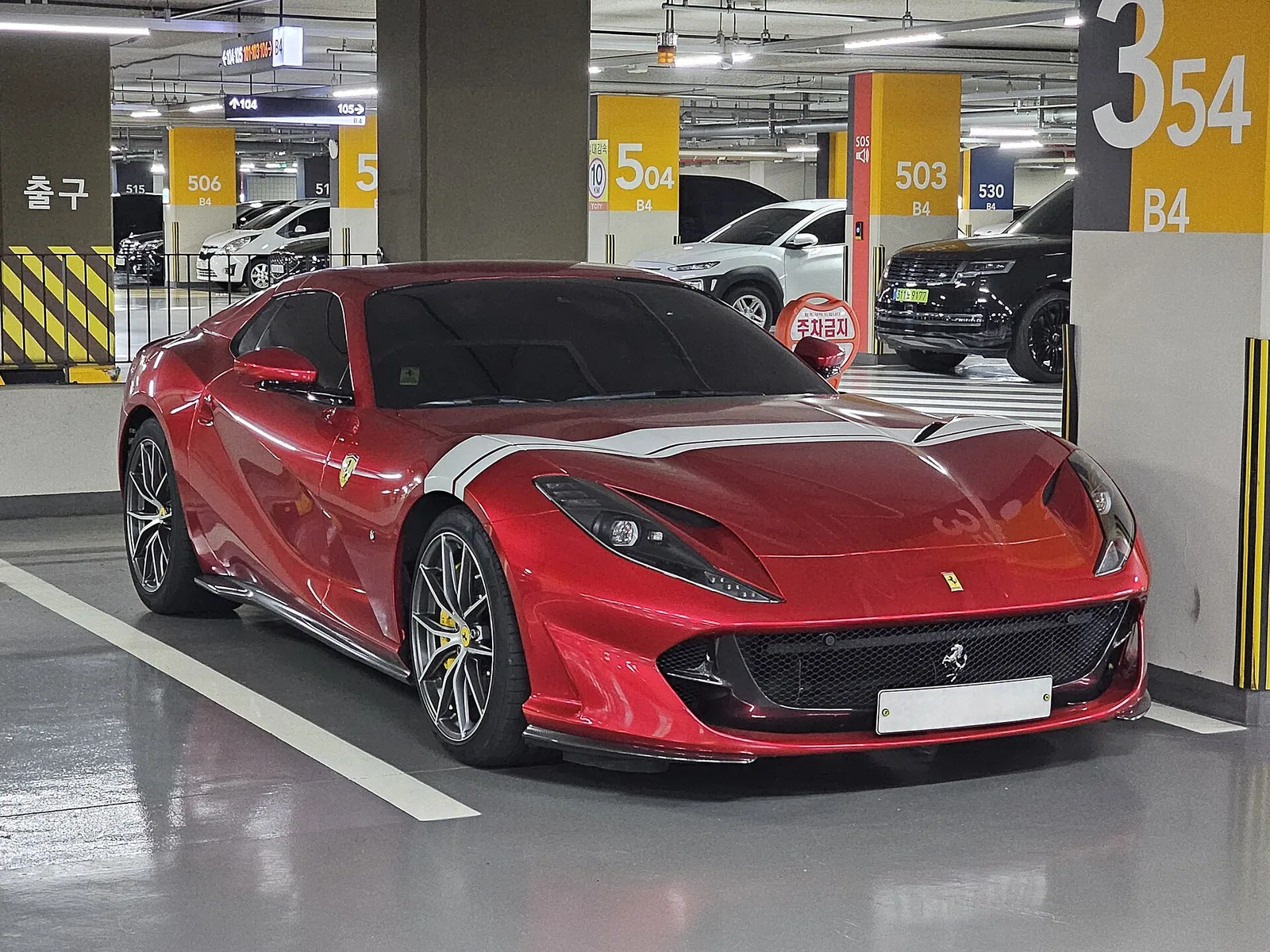
For decades, the front-engined, naturally aspirated V12 has been the soul of Ferrari — and in 2024, one icon handed the torch to another. The Ferrari 12Cilindri replaced the much-loved 812 Superfast and 812 GTS as Maranello's flagship grand tourer. This Ferrari 812 GTS vs 12Cilindri comparison breaks down the engine, gearbox, design and the key differences between the two — including the open-top 12Cilindri Spider that replaces the 812 GTS convertible. Both cars still breathe through the same fundamental 6.5-litre naturally aspirated V12 with no turbos and no hybrid assistance, so if you are weighing up which Ferrari V12 is better, the answer lies in the detail.
In short: the 12Cilindri is newer, more powerful and more agile, while the 812 GTS is the rawer, more visceral send-off for a beloved generation. Below we compare full specs, performance, price positioning and design so you can decide which front-engined Ferrari V12 deserves a place in the dream garage.
| Specification | 812 GTS | 12Cilindri |
|---|---|---|
| Engine | 6.5L NA V12 (F140) | 6.5L NA V12 (F140HD) |
| Power | 789 hp @ 8,500 rpm | 819 hp @ 9,250 rpm |
| Torque | 718 Nm @ 7,000 rpm | 678 Nm @ 7,250 rpm |
| Redline | 8,900 rpm | 9,500 rpm |
| Gearbox | 7-speed dual-clutch | 8-speed dual-clutch |
| Drivetrain | Rear-wheel drive | Rear-wheel drive |
| 0–100 km/h | ~2.9 s | 2.9 s |
| Top speed | 340 km/h | 340 km/h+ |
| Wheelbase | 2,720 mm | 2,700 mm |
| Body styles | GTS targa (retractable hardtop) | Coupe & Spider (retractable hardtop) |
| Open-top version | 812 GTS | 12Cilindri Spider |
| Revealed | 2019 | 2024 |
Engine: The Same V12, Reborn
Both cars share Ferrari's legendary 6,496 cc 65-degree V12, but the 12Cilindri runs the hotter F140HD version lifted from the track-focused 812 Competizione. Where the 812 GTS makes 789 hp at 8,500 rpm, the 12Cilindri liberates 819 hp at a dizzying 9,250 rpm and spins all the way to a 9,500 rpm redline. Ferrari achieved this with titanium connecting rods, lighter aluminium-alloy pistons, a rebalanced crankshaft and a diamond-like-carbon (DLC) coating on the valvetrain's sliding finger followers, enabling more aggressive cam profiles.
There is a twist: the 12Cilindri actually produces slightly less peak torque (678 Nm versus 718 Nm) and arrives higher in the rev range. To compensate, Ferrari introduced Aspirated Torque Shaping in third and fourth gear, electronically sculpting the torque curve so the engine pulls with a relentless, building crescendo all the way to the limiter. The result is an engine that feels even more theatrical than the 812's, despite the numbers.
Gearbox: Seven Speeds Become Eight
The 812 GTS uses Ferrari's seven-speed dual-clutch transmission — itself a superb unit. The 12Cilindri upgrades to the newer eight-speed Magna 8DCL900 dual-clutch derived from the SF90 Stradale, with shifts that are around 30 percent faster. The final drive is lower for sharper response, while a longer eighth gear aids high-speed refinement and emissions. Ferrari also reworked the downshifts for a more instantaneous, connected feel, each accompanied by a sharp induction bark.
Design: Subtle Muscle vs Retro-Futurism
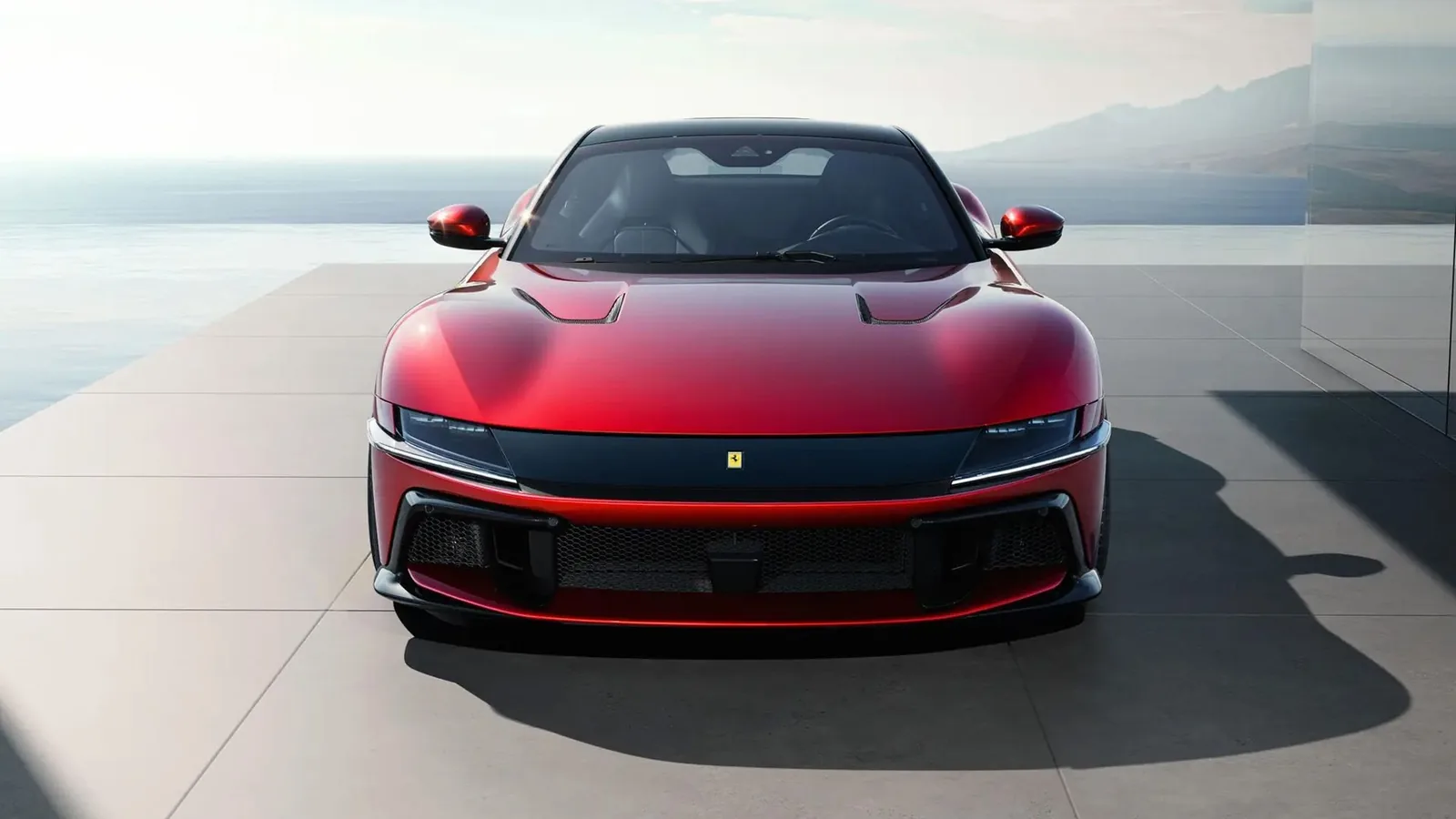
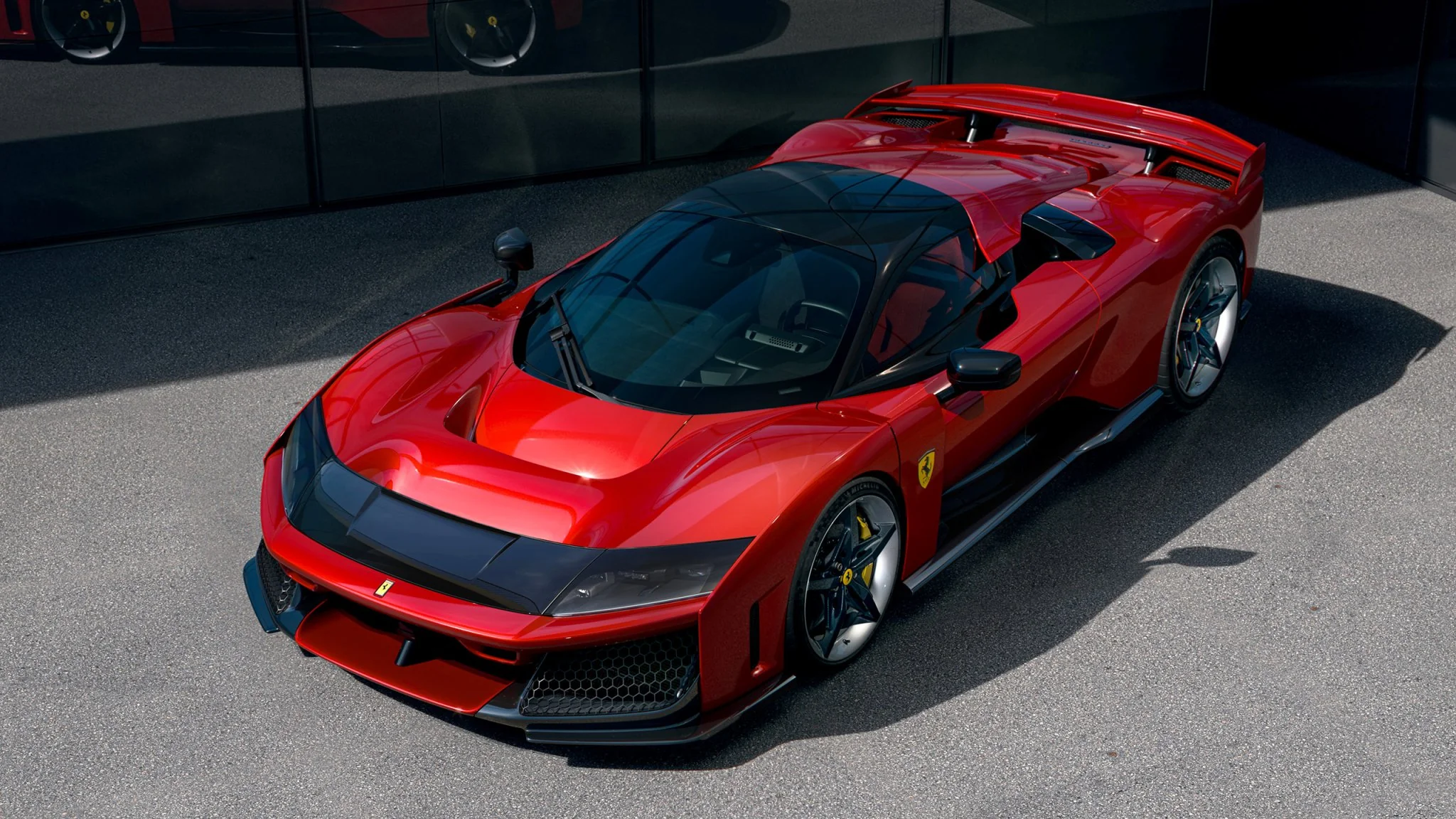
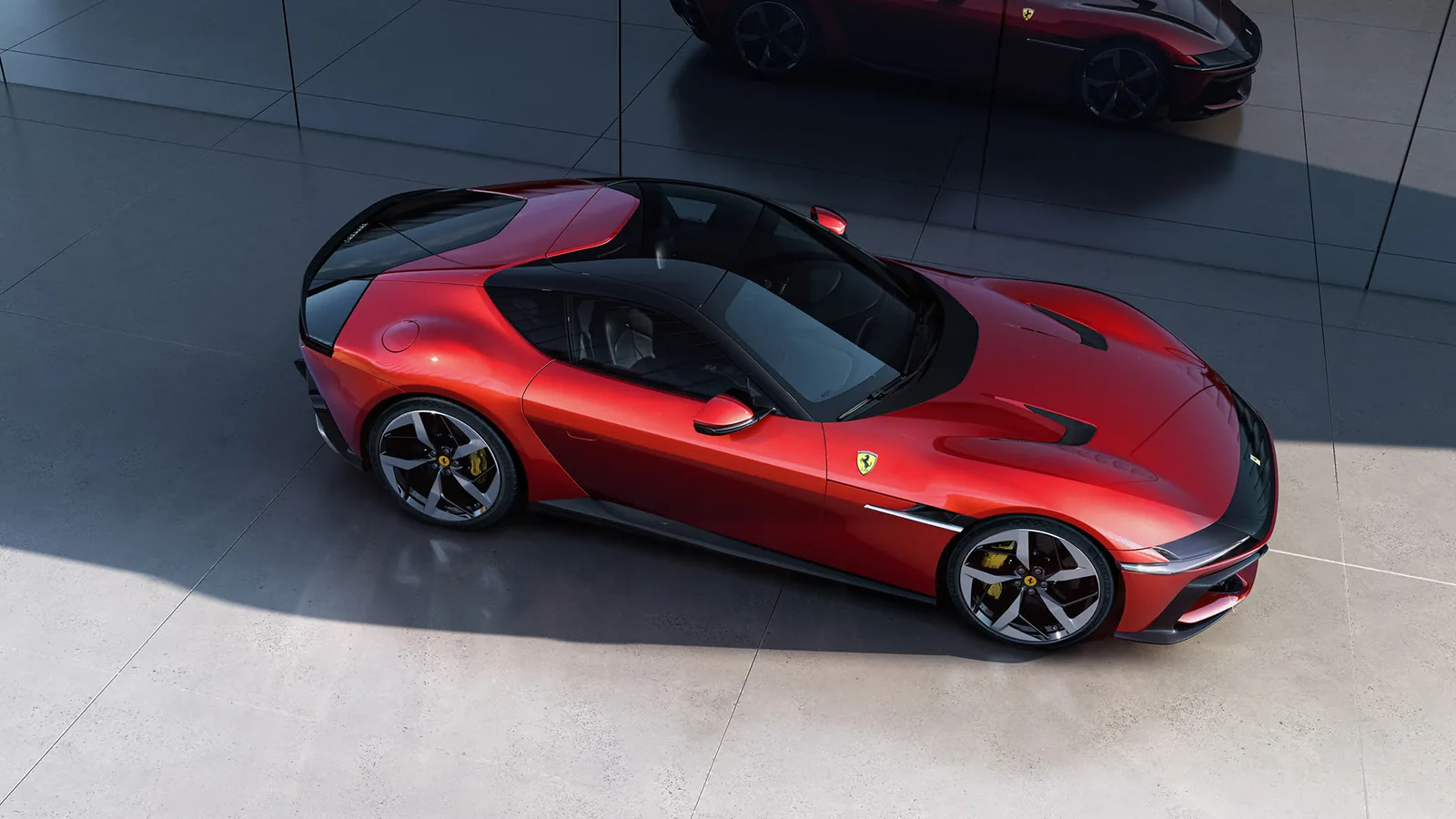
This is where the two diverge most dramatically. The 812 GTS is all flowing, classical Ferrari grand-tourer drama — long bonnet, sculpted haunches and discreetly hidden active aero. The 12Cilindri, penned by Flavio Manzoni's Ferrari Styling Centre, is a bold tribute to the 1968 365 GTB/4 Daytona: a clean, almost minimalist wedge defined by a full-width black visor across the nose that cannot be optioned in any other colour. At the rear, active aero flaps tilt up to 10 degrees between 60 and 300 km/h, generating up to 50 kg of downforce.
Underneath, the 12Cilindri's all-aluminium structure is 15 percent stiffer than the 812's, using larger cast elements and fewer pieces overall (17 castings versus 22). The 20 mm shorter wheelbase and faster-reacting rear-wheel steering make it noticeably more agile, and the cabin gains structural carbon fibre, dark aluminium fixings and a triple-screen layout in place of the 812's single passenger display.
Open-Top Bloodline: 812 GTS vs 12Cilindri Spider
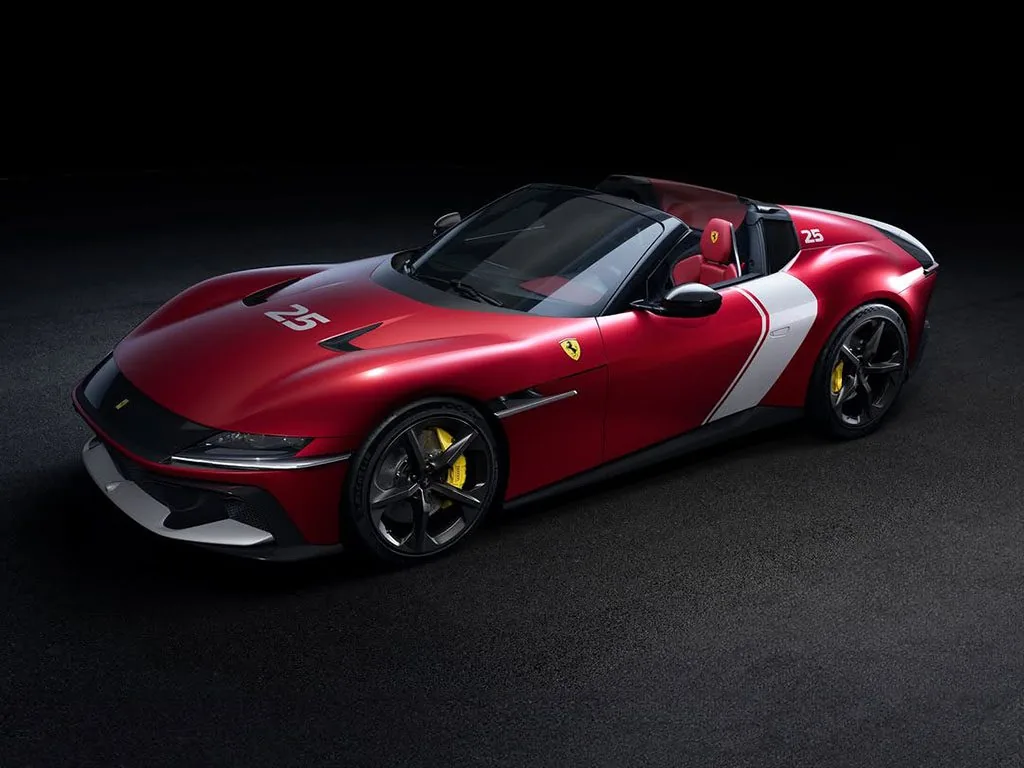
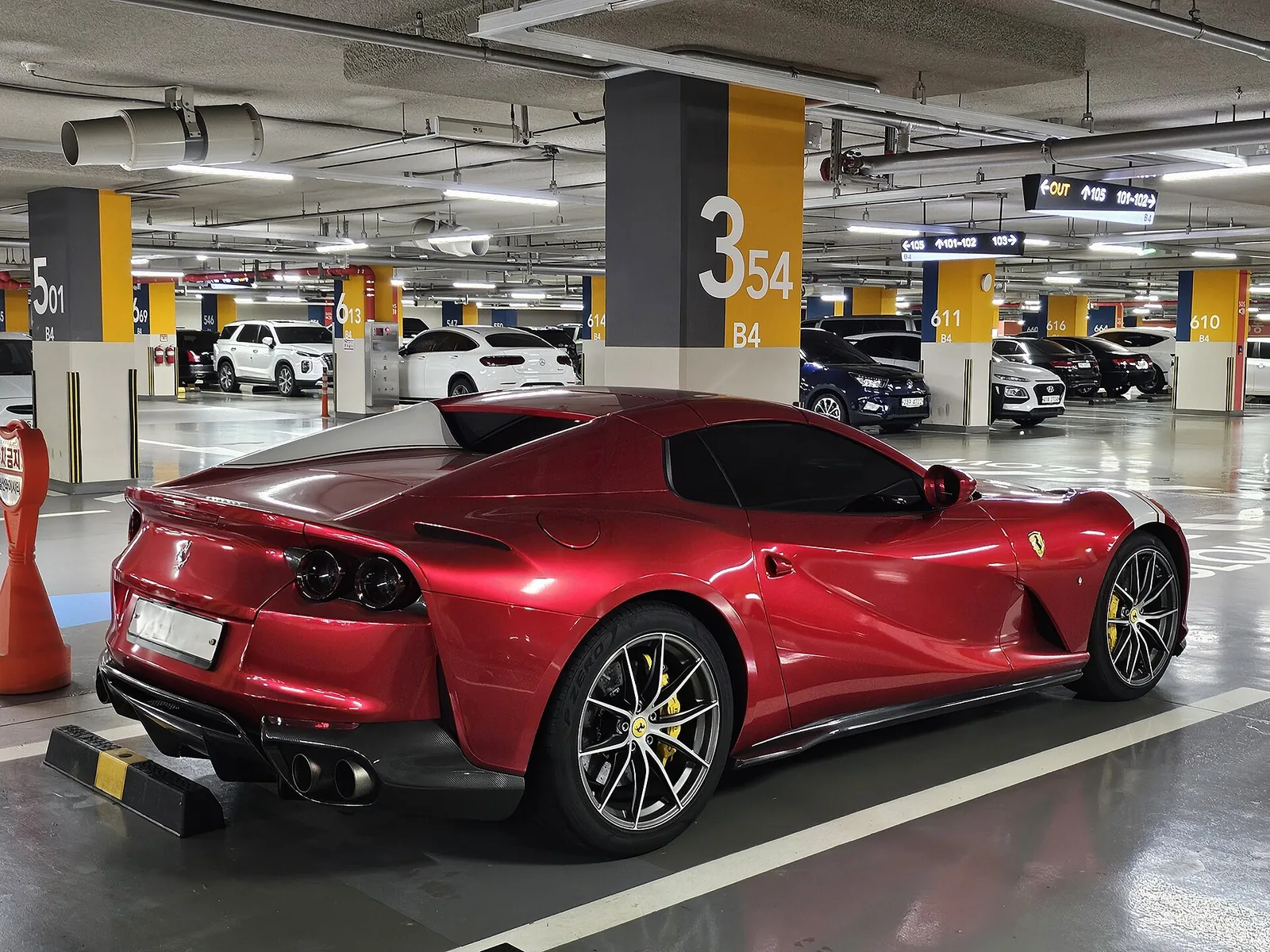
The Ferrari 812 GTS holds a special place as the first series-production front-engined Ferrari spider with a V12 in nearly 50 years, using a folding retractable hardtop that stows in around 14 seconds at up to 45 km/h. That open-air torch now passes directly to the Ferrari 12Cilindri Spider, which likewise employs a retractable hardtop to deliver the full naturally aspirated V12 soundtrack with the roof down — and crucially carries the same 819 hp F140HD engine and eight-speed gearbox as the 12Cilindri coupe, with no performance penalty beyond a small weight gain.
So in the 812 GTS vs 12Cilindri Spider matchup, the choice mirrors the coupe comparison: the 812 GTS is the final, most analogue open-top V12 of its line, while the 12Cilindri Spider is the more powerful, more modern, more usable successor. For buyers cross-shopping the two on the used and new market, the 812 GTS is increasingly a collector proposition, while the 12Cilindri Spider is the current flagship you can still order new from Ferrari.
"The 12Cilindri is far better to drive and gives you much more confidence — but the 812 is a little louder, more visceral, and more rewarding when you want a challenge." — paraphrasing a common verdict among reviewers
The Verdict
So in the Ferrari 812 GTS vs 12Cilindri debate, which is better? The 812 GTS remains a high-water mark: raw, dramatic and arguably the most engaging classical naturally aspirated V12 Ferrari of its era. The 12Cilindri — in both coupe and Spider form — is the more complete machine: faster, stiffer, more agile and more usable, with retro-futuristic styling that splits opinion but undeniably looks to the future while honouring the 365 GTB/4 Daytona. If you want the purest old-school experience, choose the 812 GTS; if you want the more capable everyday flagship, the 12Cilindri wins. Either way, both are destined to be remembered as among the last of the great front-engined V12 Ferraris — and that alone makes each one a blue-chip place to keep your money.