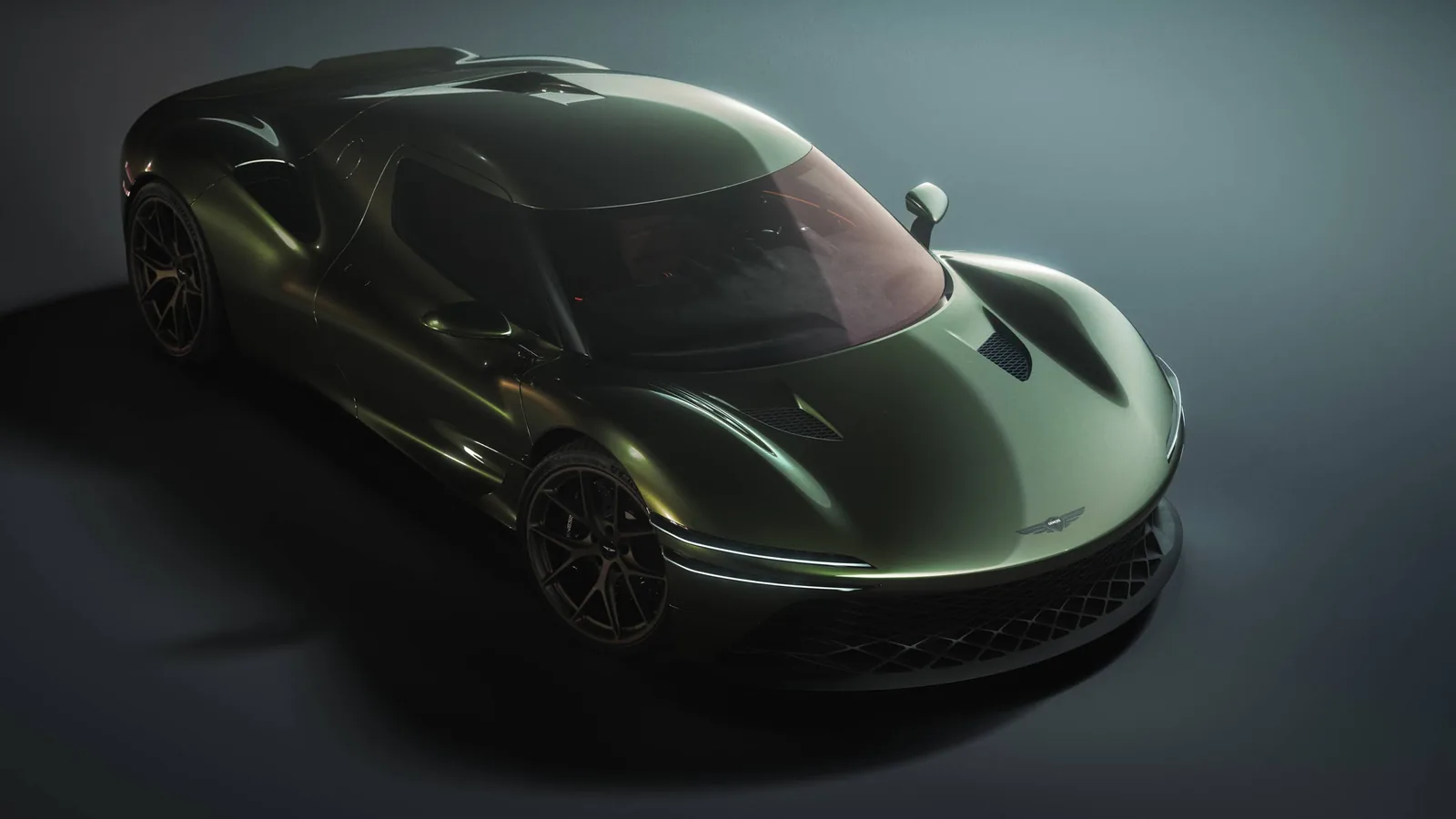
Genesis chose the most prestigious weekend in endurance racing to make a statement about its road-car future. On the eve of its Hypercar debut at the 24 Hours of Le Mans, the Korean luxury brand reintroduced its striking Magma GT Concept — and this time, it brought the interior to match the drama of the exterior.
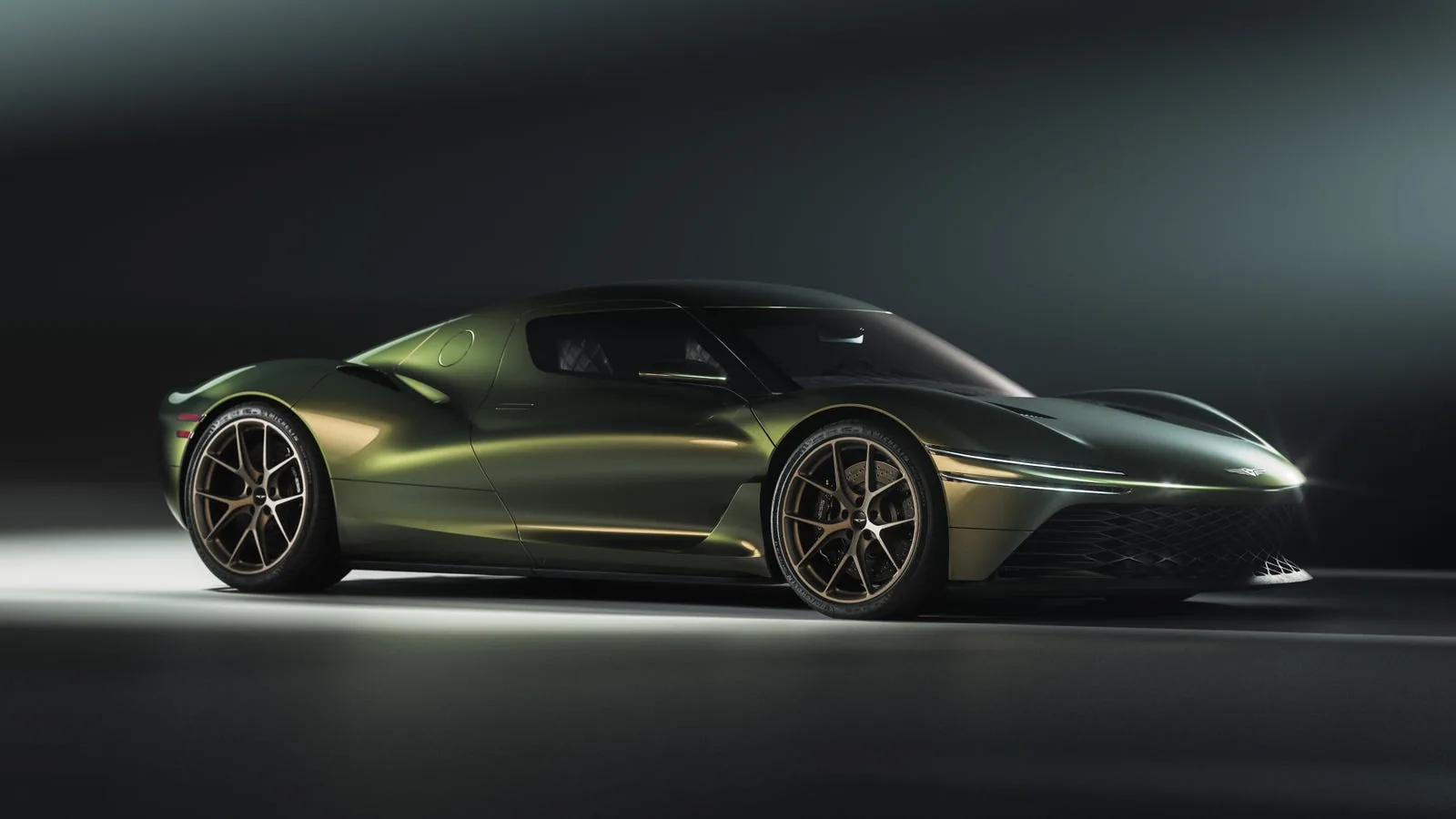
First shown in November 2025, the Magma GT returns transformed. Gone is the loud launch-spec Magma Orange; in its place sits a deep metallic green paired with copper alloy wheels, a far more sophisticated combination that flatters the car's sculpted, mid-engine proportions. But the real headline is what is now visible behind the glass.
An Analog Heart in a Digital Age
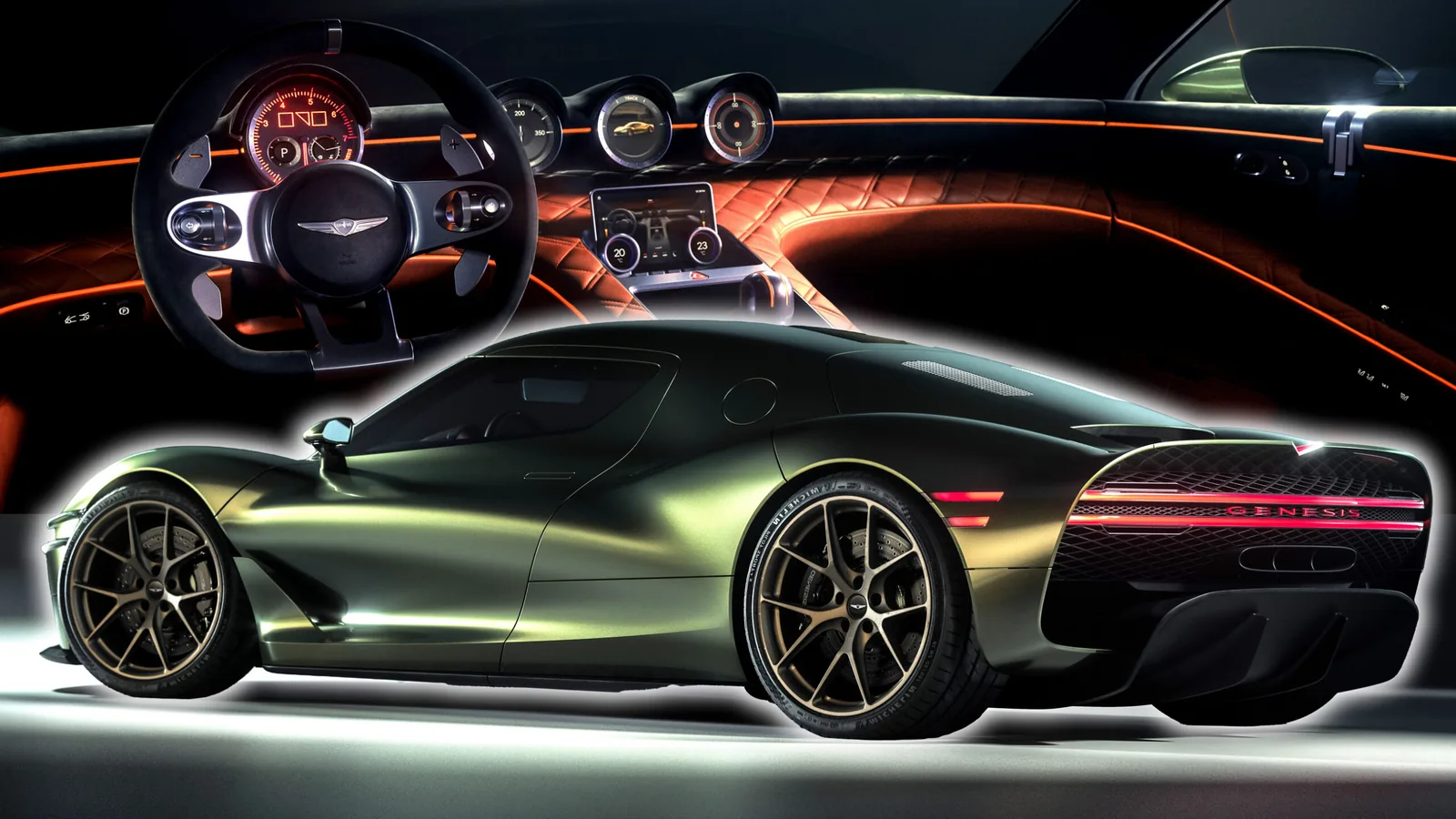
Genesis describes the Magma GT as a two-passenger luxury grand tourer, and the all-new cabin makes the case beautifully. At its center sits an analog instrument cluster inspired by motor-racing timekeeping instruments, flanked by three round dials on the center console and a deliberately small video display beneath. In an era of wall-to-wall screens, it is a striking, tactile statement of intent.
The twin-cockpit, driver-centric architecture is wrapped in quilted leather, with racing-style bucket seats and tactile physical controls that emphasize precision and engagement. Genesis calls the result a cabin that "reinterprets the modern luxury GT experience" — balancing performance, comfort and craftsmanship under its Athletic Elegance design philosophy.
The Power Question
Genesis stayed characteristically quiet on what powers the Magma GT, but the smart money points to a twin-turbo V8. Reports widely expect an engine derived from or related to the 3.2-litre V8 in the brand's GMR-001 Le Mans Hypercar, potentially with a hybrid element and an eight-speed dual-clutch gearbox — and outputs that could climb toward 800 horsepower. For a brand with no current V8 road car, it would be a dramatic debut.
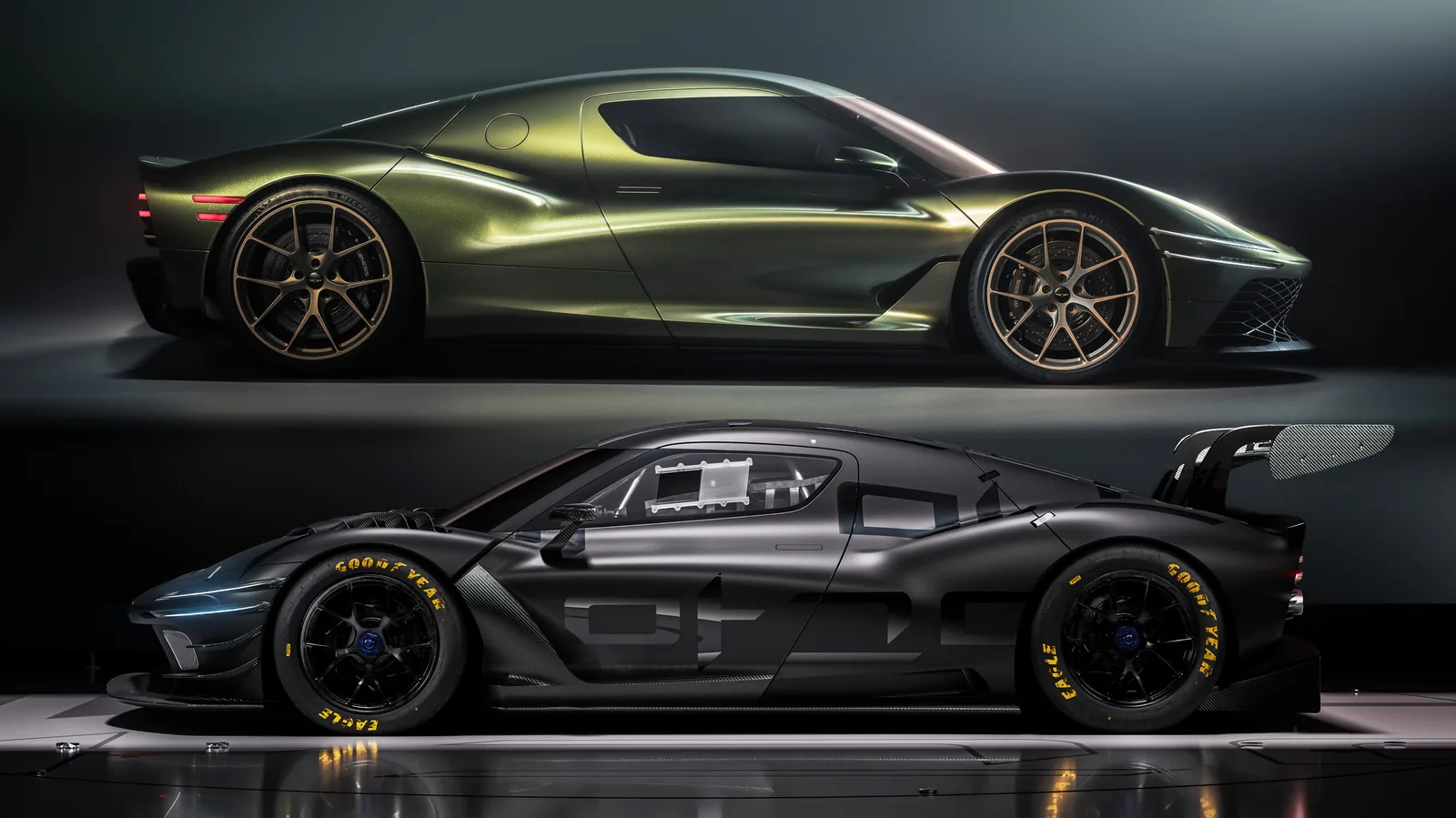
The exterior detailing has been quietly sharpened too: revised side windows, reshaped mirrors and door handles, redesigned side fins and reworked LED taillights with flatter graphics. It is the work of a design study moving steadily closer to something buildable.
A Racing Sibling Joins the Stage
The Magma GT did not arrive alone. Alongside it, Genesis revealed the Magma GT3 Concept — a race-focused study built to FIA GT3 technical regulations and developed with Hyundai Motorsport. With its pronounced splitter, canards, vented fenders, a door-mounted fin, an enormous diffuser and a fixed rear wing, the GT3 is a far more extreme machine. Genesis stresses it remains an independent study, with a GT3 competition program unlikely before 2028 or 2029.
"The Magma GT blends athleticism and elegance in a manner distinctive to the brand." — Genesis
Whether the production Magma GT ultimately rivals the Porsche 911 or aims higher, one thing is clear: Genesis is no longer content to be a quiet luxury alternative. With a V8 grand tourer concept this confident — and a GT3 racer waiting in the wings — the Magma program is shaping up to be one of the most compelling new performance stories in the business.