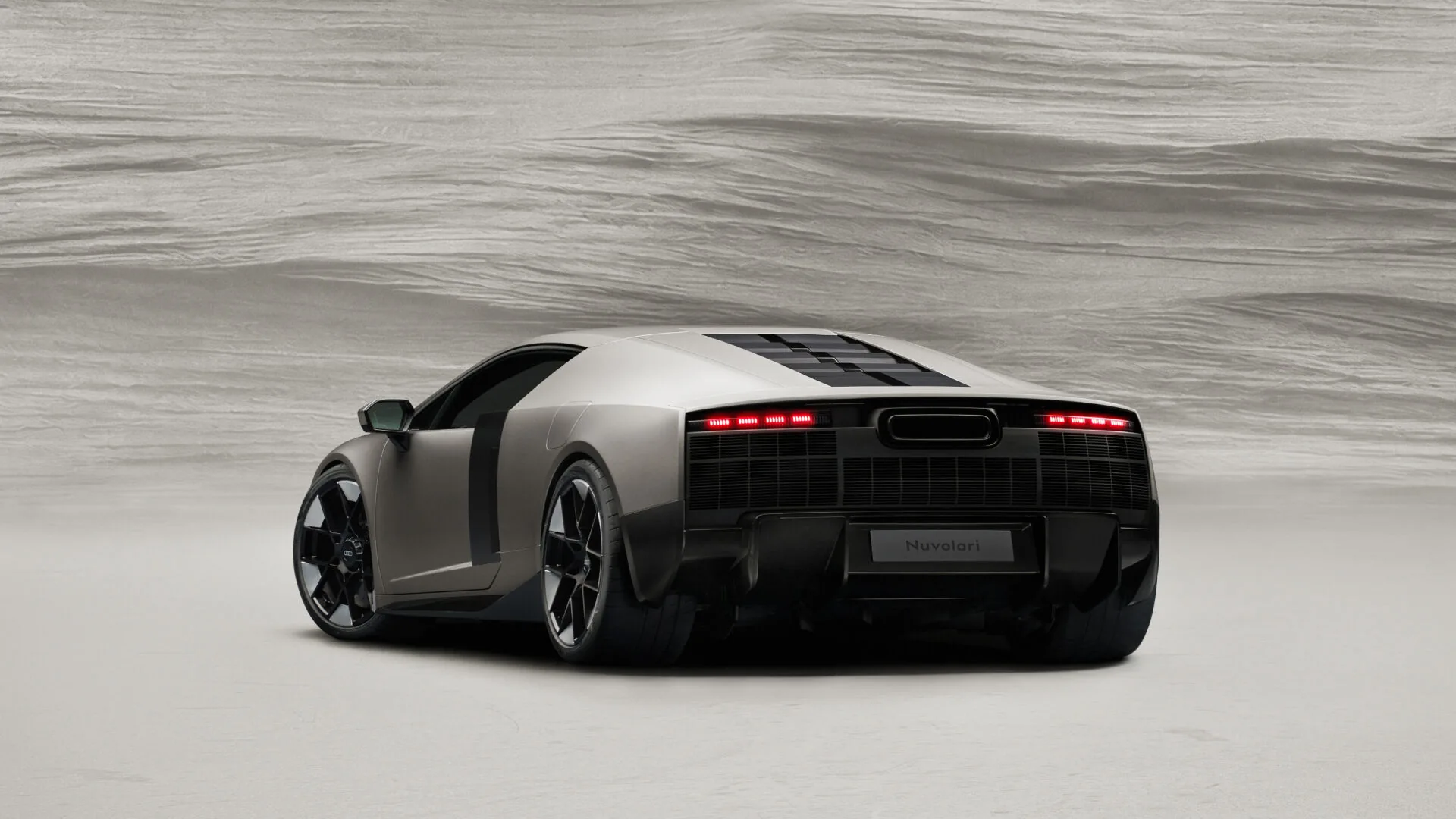
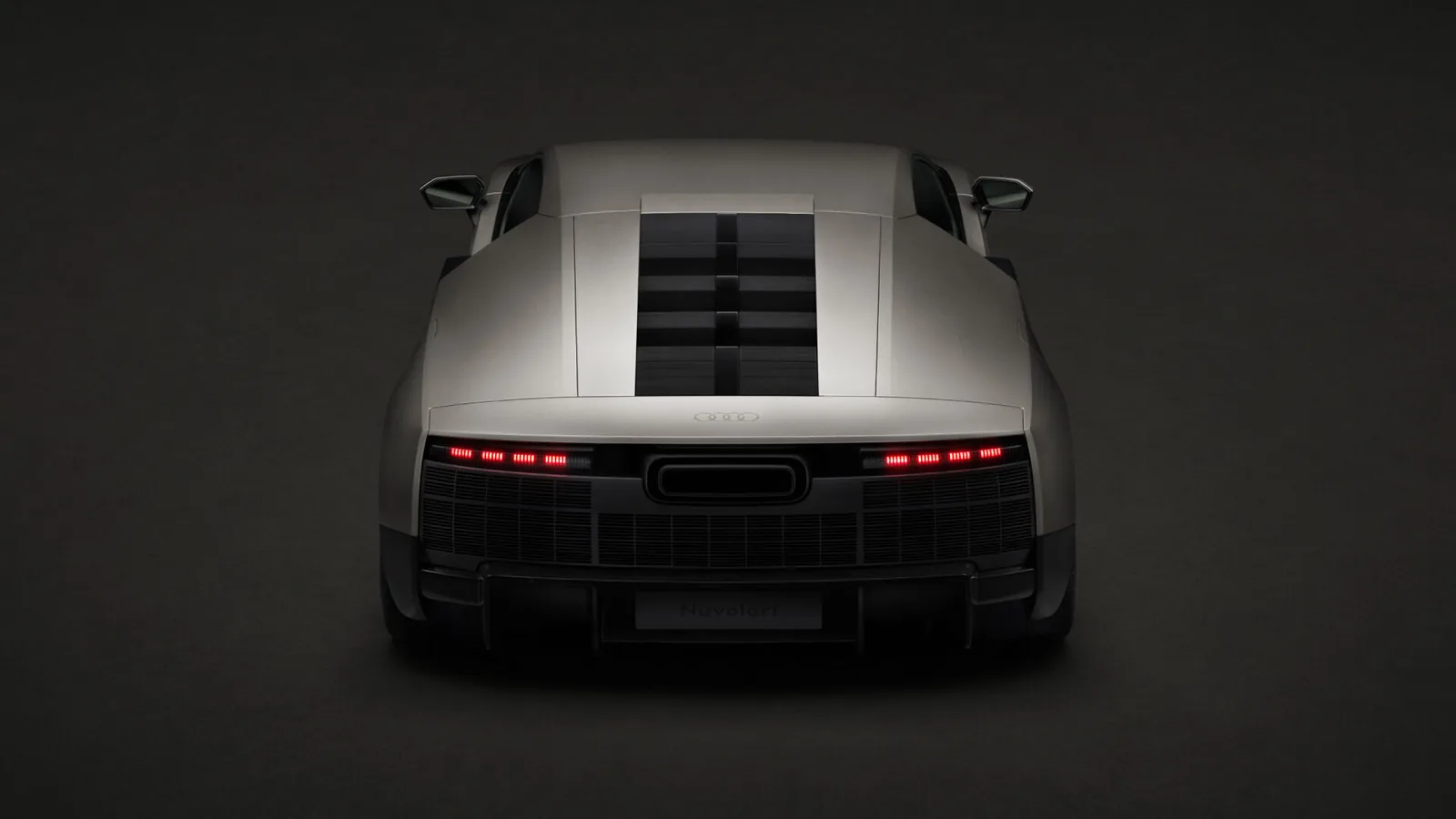
The Audi Nuvolari was unveiled by Audi AG at the brand’s Audi Summit in Antibes, France, on 4 June 2026 — the brand’s first series-production supercar with a high-performance plug-in hybrid powertrain, and the spiritual successor to the R8. Output is rated at 1,001 PS (736 kW / 987 hp) from a 4.0-litre V8 biturbo combined with three axial-flux electric motors, with a top speed of more than 350 km/h and a 0–100 km/h time of 2.6 seconds.
Production is capped at 499 units worldwide, with deliveries starting in the first half of 2027 and a list price from approximately €600,000 in Germany. Named after the Italian racing driver Tazio Nuvolari, who took three Grand Prix wins for the Auto Union Type D in the 1930s, the car carries the four rings rather than an alphanumeric badge — an Audi first for a production model.
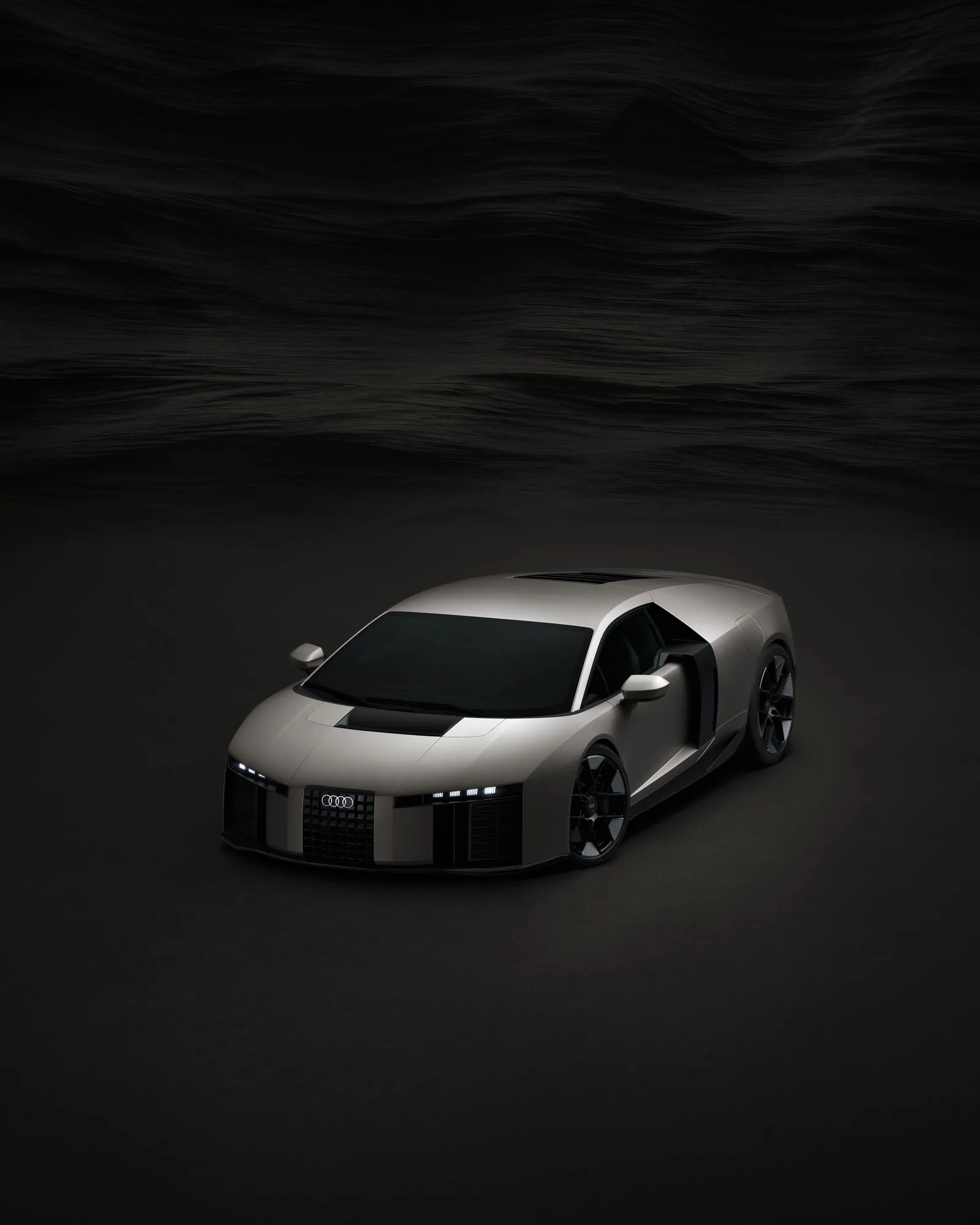
Audi Nuvolari Specs — 4.0 V8 Biturbo Plus Three Axial-Flux Motors
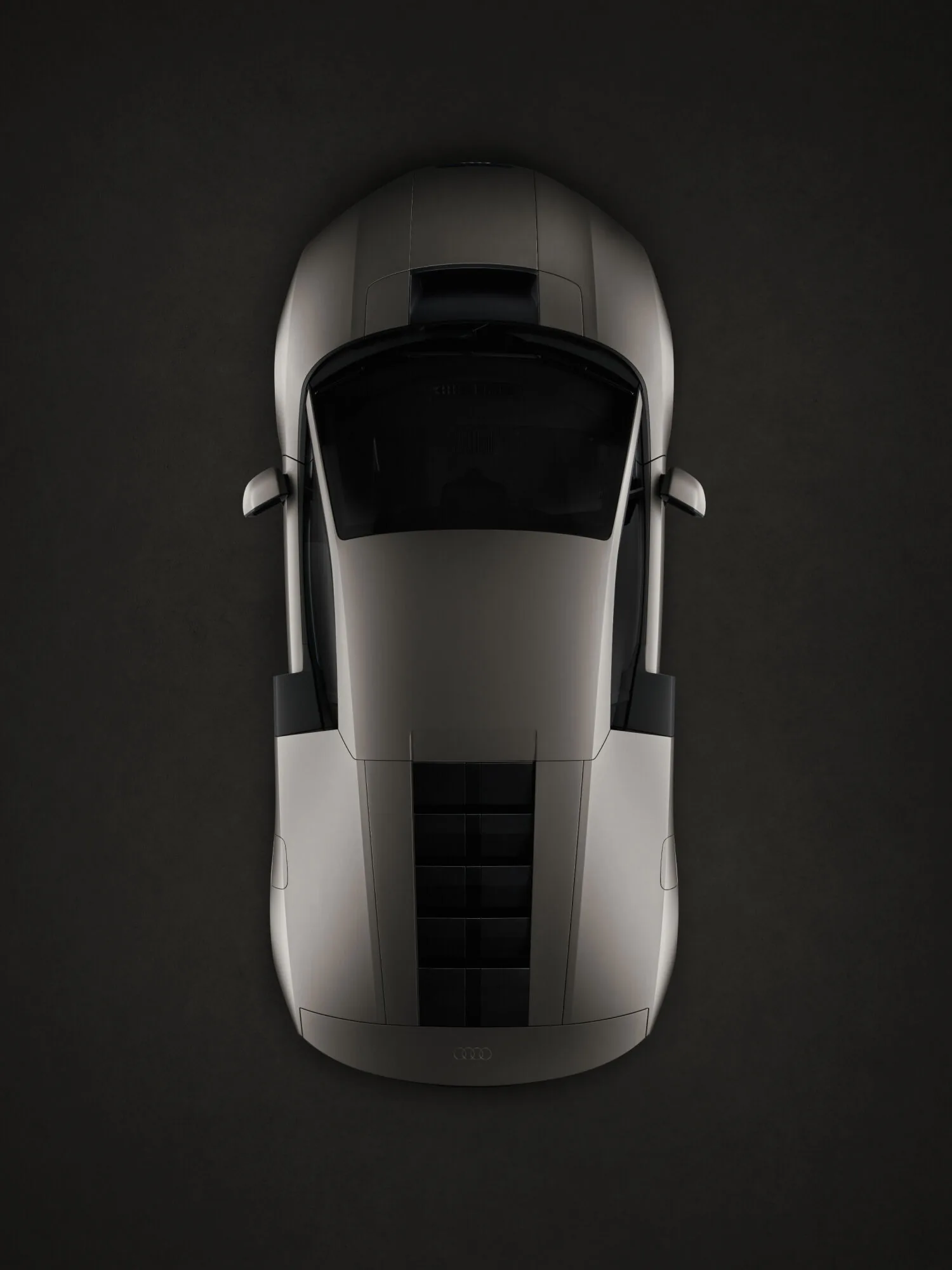
The Nuvolari is built around a new Audi Space Frame (ASF) clad almost entirely in carbon fibre reinforced polymer (CFRP) — a series-production first for Audi. The combustion engine is a 4.0-litre V8 biturbo shared in architecture with the Lamborghini Temerario, here producing 588 kW (800 hp) and 730 Nm, with a redline at 10,000 rpm. Three Yasa-derived axial-flux electric motors of 110 kW each complete the powertrain: two at the front axle delivering up to 2,150 Nm of torque vectoring, and a third between the V8 and the eight-speed dual-clutch transmission.
System output is 736 kW / 1,001 PS, with energy stored in a 7.3 kWh lithium-ion battery. Audi cites 0–100 km/h in 2.6 seconds, 0–200 km/h in 6.8 seconds and a top speed of over 350 km/h (217 mph) ([Audi MediaCenter](https://www.audi-mediacenter.com/en/press-releases/audi-presents-its-first-supercar-with-a-high-performance-hybrid-powertrain-18001)). These figures are conditional on a battery state of charge above 80 percent and a battery temperature above 28 °C.
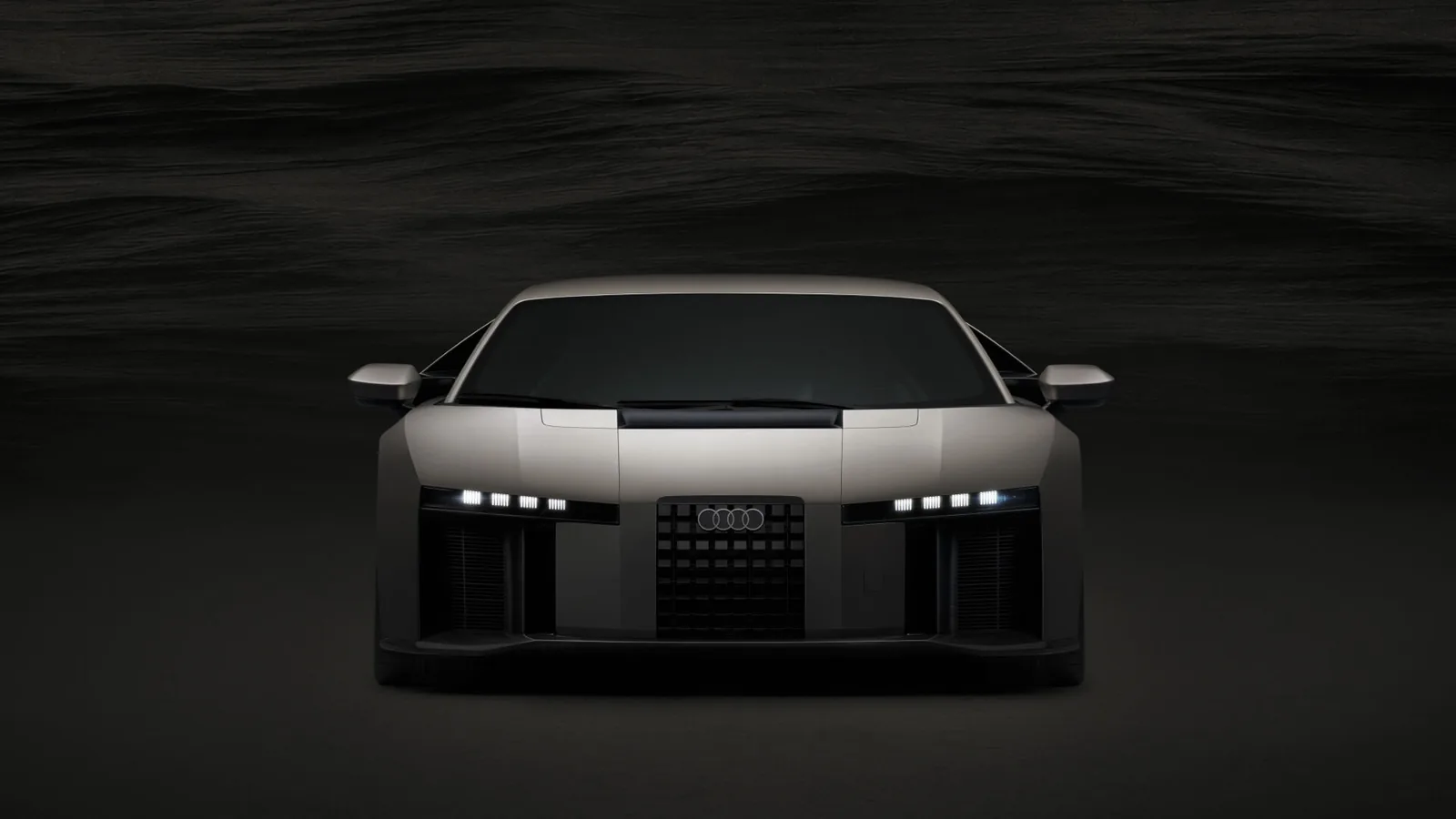
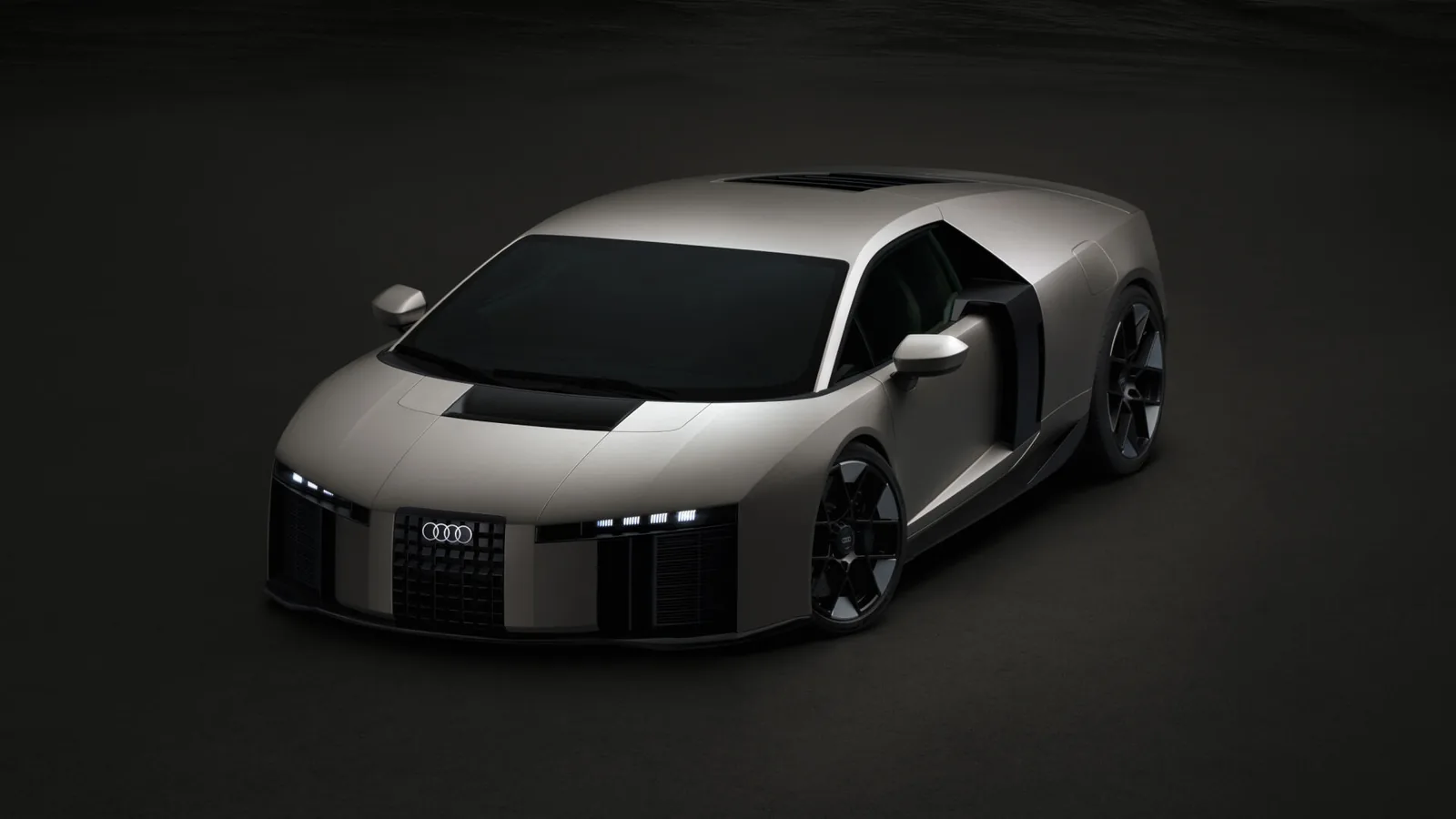
Quattro Predictive Ride — Active Aero and Torque Vectoring
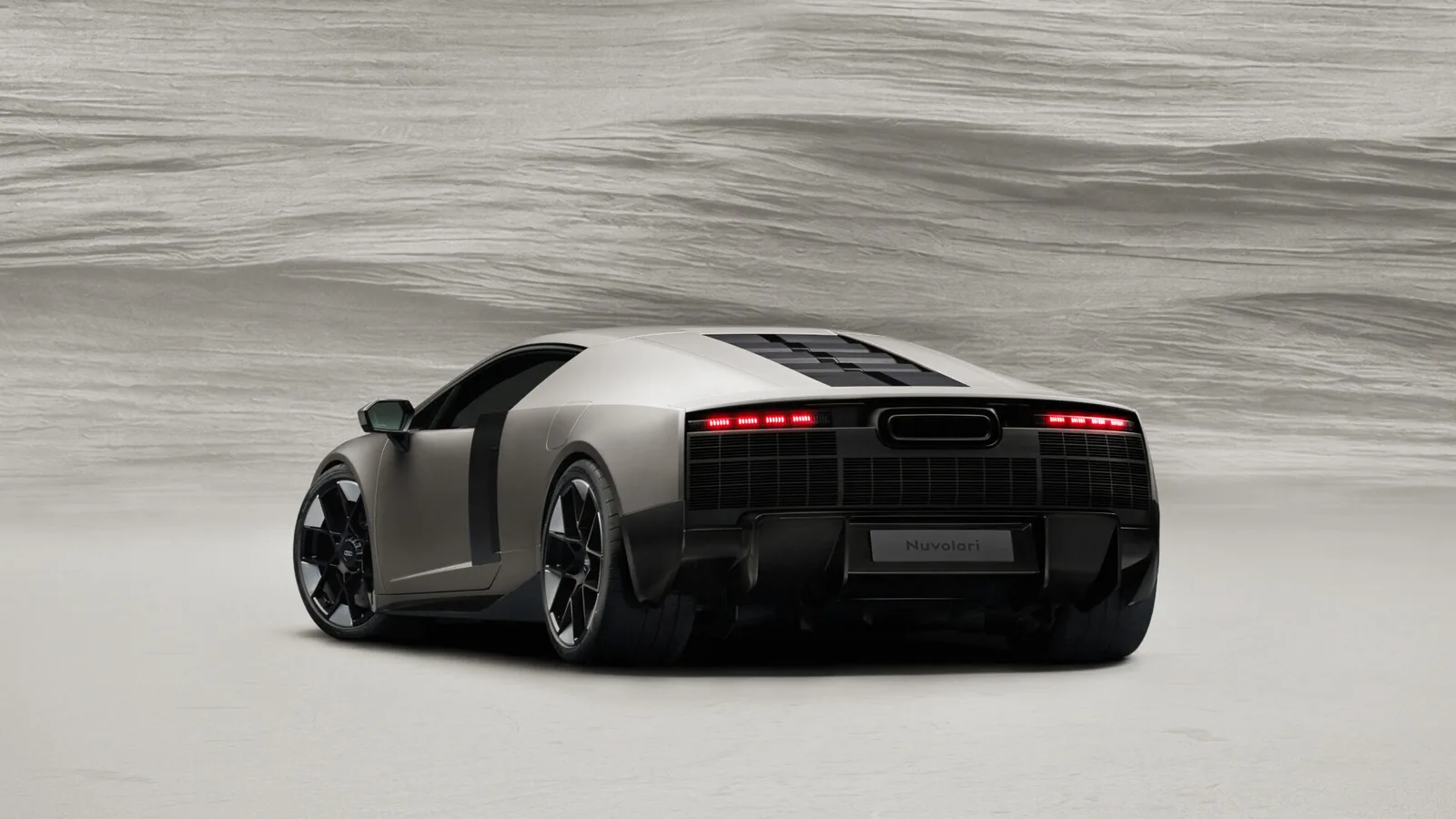
The Nuvolari debuts quattro predictive ride, an evolution of Audi’s all-wheel-drive architecture. Two oil-cooled axial-flux motors on the front axle act as part of the quattro system, independently distributing torque to each front wheel. Combined with active aerodynamics — a deployable rear wing with Closed, Low Downforce and High Downforce settings, plus a Drag Reduction System (DRS) — the chassis generates more than 400 kg of downforce in its highest-downforce configuration.
Four primary drive modes are offered (E-Hybrid, Balanced, Dynamic, Dynamic+), with a dedicated Track Mode (Wet, Dry, Race, TC Off) for circuit use. The braking system uses Formula 1-derived long-fibre carbon discs — 420 × 40 mm with ten-piston front calipers and 410 × 32 mm with four-piston rear calipers — with internal cooling that improves heat dissipation by up to 21 percent versus conventional carbon-ceramic systems. Peak energy absorption is rated at 2.8 MW, a figure Audi compares directly to current F1 cars ([Electrek](https://electrek.co/2026/06/04/audi-nuvolari-1001-hp-hybrid-supercar-v8-r8-successor/)).
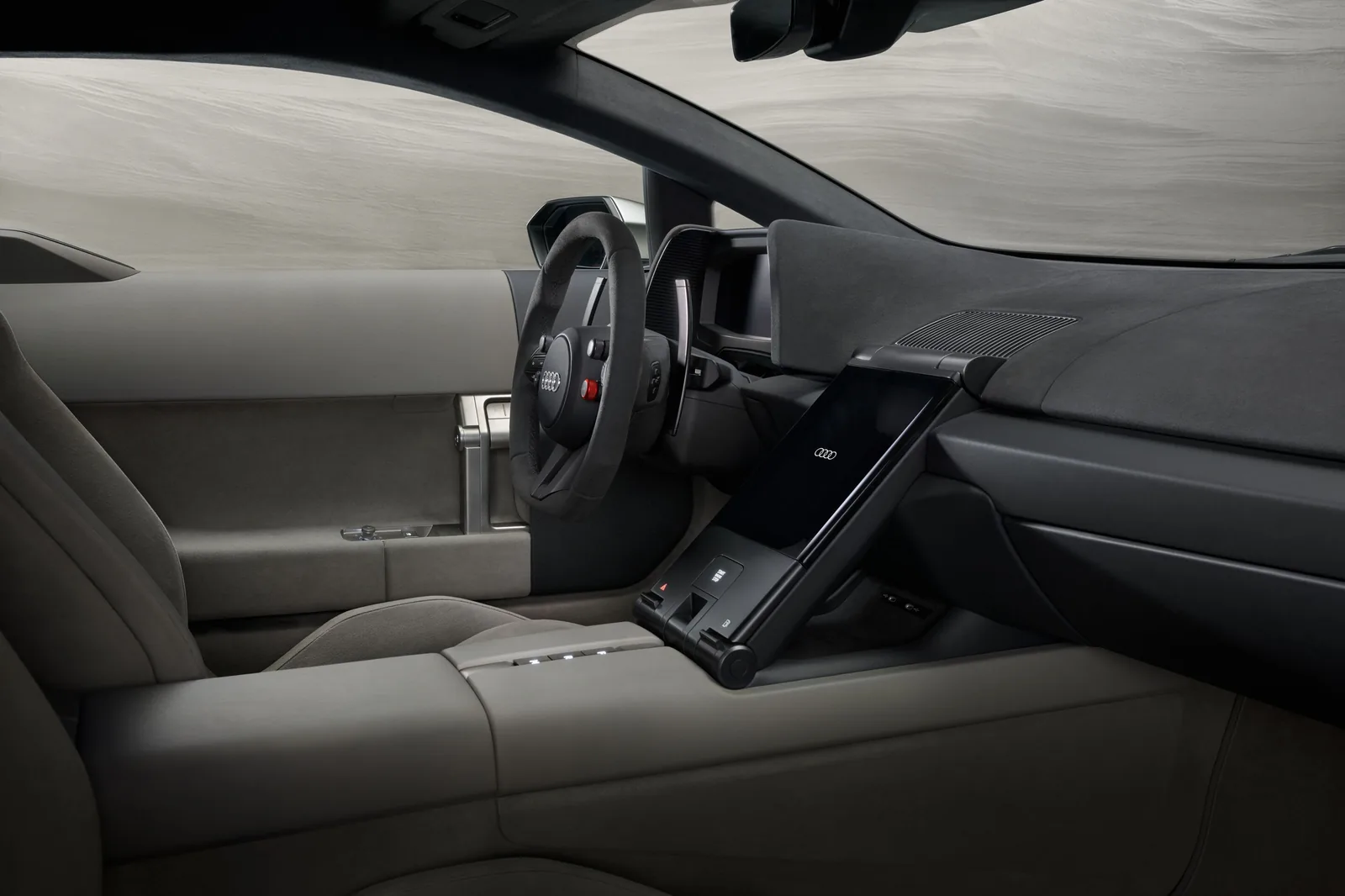
Interior — Reduced Cockpit, Shadow Dune Two-Tone
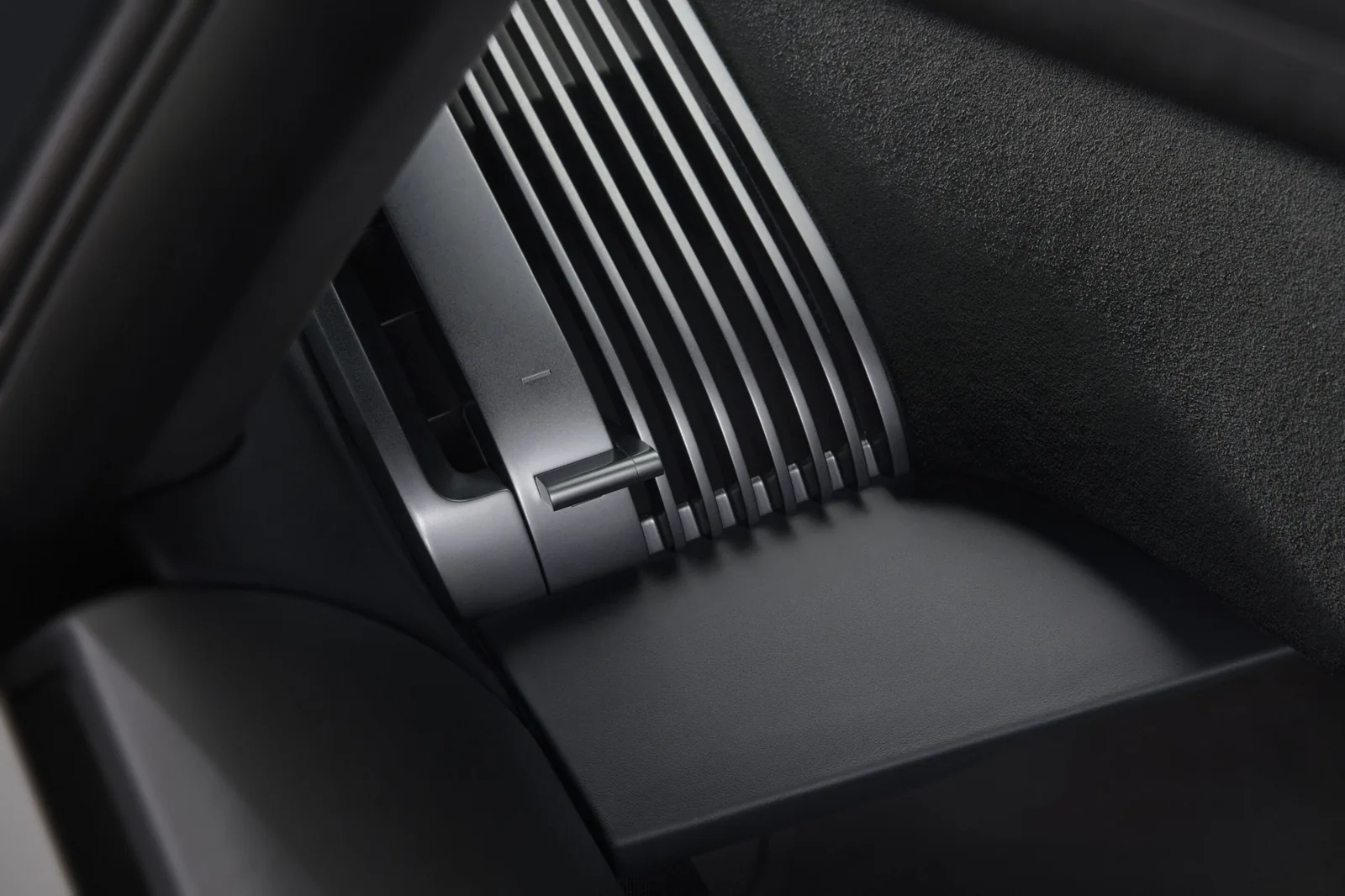
The cabin follows Audi’s newly stated “reduced architecture” design language. The dashboard is split into a dark driver-focused front section and a lighter rear section in a colour Audi calls Shadow Dune. Seats are lightweight bucket units with a carbon-fibre structural shell; controls are concentrated on the steering wheel via rotary dials for the four drive modes.
Audi Nuvolari 2027 — Full Spec Table
Audi Nuvolari Price, Release Date and Production
The Nuvolari is sold by direct allocation from Audi to 499 customers worldwide. The starting price in Germany is approximately €600,000, equivalent to roughly $700,000 at current exchange rates — placing it in the same bracket as the Ferrari SF90 XX Stradale, the McLaren Artura and the entry-level Lamborghini Revuelto, but with significantly tighter production than any of those three ([Motor1](https://www.motor1.com/news/797785/audi-nuvolari-supercar-details-specs-photos/)). Customer deliveries begin in the first half of 2027.
Audi Nuvolari vs Lamborghini Temerario — Same Engine, Different Mission
The Nuvolari shares its V8 architecture, eight-speed DCT and axial-flux electric architecture with the Lamborghini Temerario, but Audi has dialled the electric contribution further up: each axial-flux motor is permitted a higher load envelope, lifting system power from the Temerario’s 920 hp to 987 hp (1,001 PS). The chassis tune is also distinct — the Nuvolari runs on Bridgestone Potenza Race tyres (255/35 R20 front, 325/30 R21 rear) and uses the larger F1-derived carbon front discs that are not offered on the Temerario. The result is a longer, lower, more downforce-biased package aimed at top-speed running and trans-continental GT use rather than the Lamborghini’s more circuit-oriented setup ([MotorTrend](https://www.motortrend.com/news/first-look-audi-nuvolari-prototype)).
Status — Why the Nuvolari Matters
For Audi, the Nuvolari is more than a successor to the R8. It is the first production model under the brand’s new design philosophy, the first Audi to use a carbon-fibre exterior on a series-production car, the first to combine three axial-flux motors with a V8, and the first to wear a name rather than an alphanumeric badge. The combustion-electric balance — 800 hp from the V8, three 110 kW motors, 7.3 kWh of battery — defines the powertrain template Audi appears willing to defend for the rest of the decade. With 499 cars to be built and customer deliveries already months away, this is a hypercar that needs to be tracked from launch.