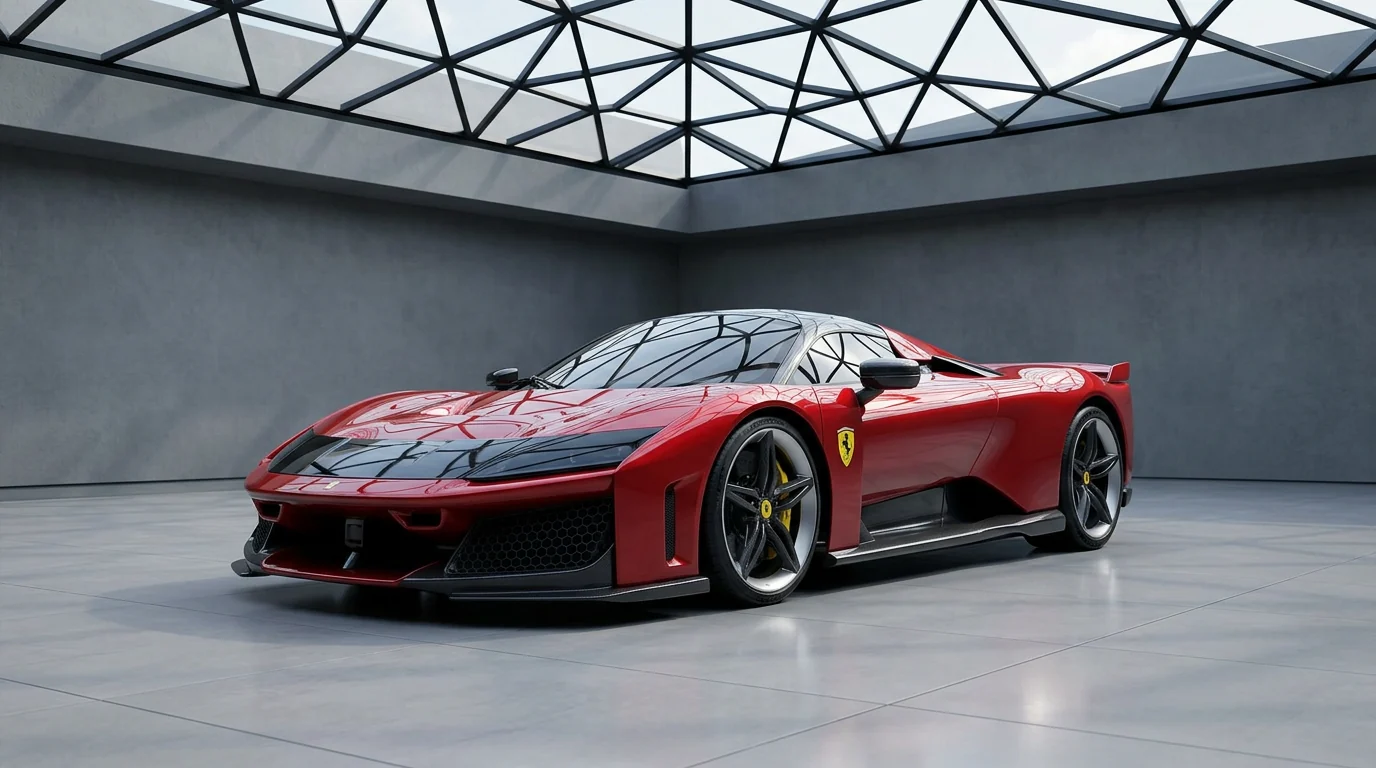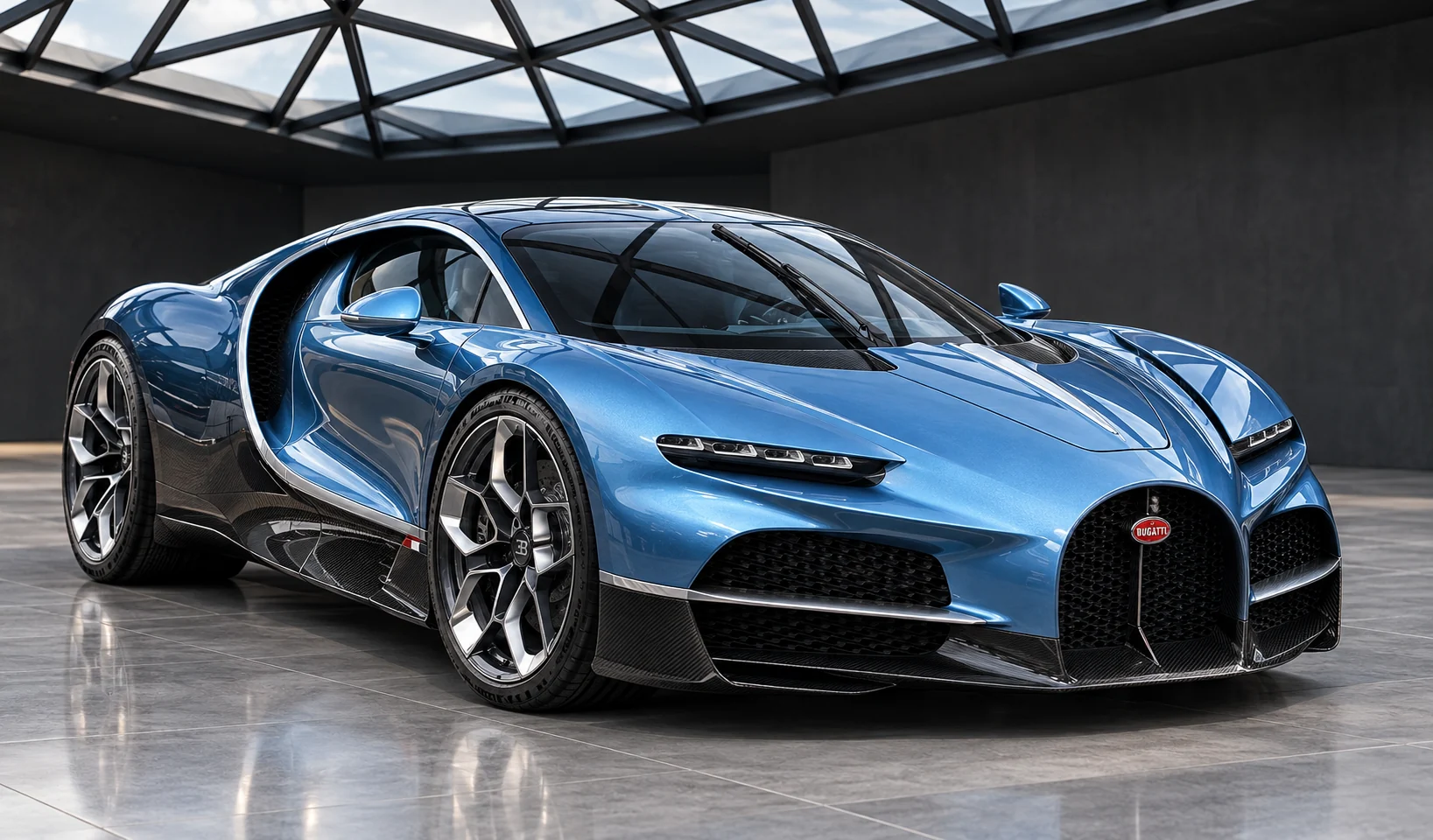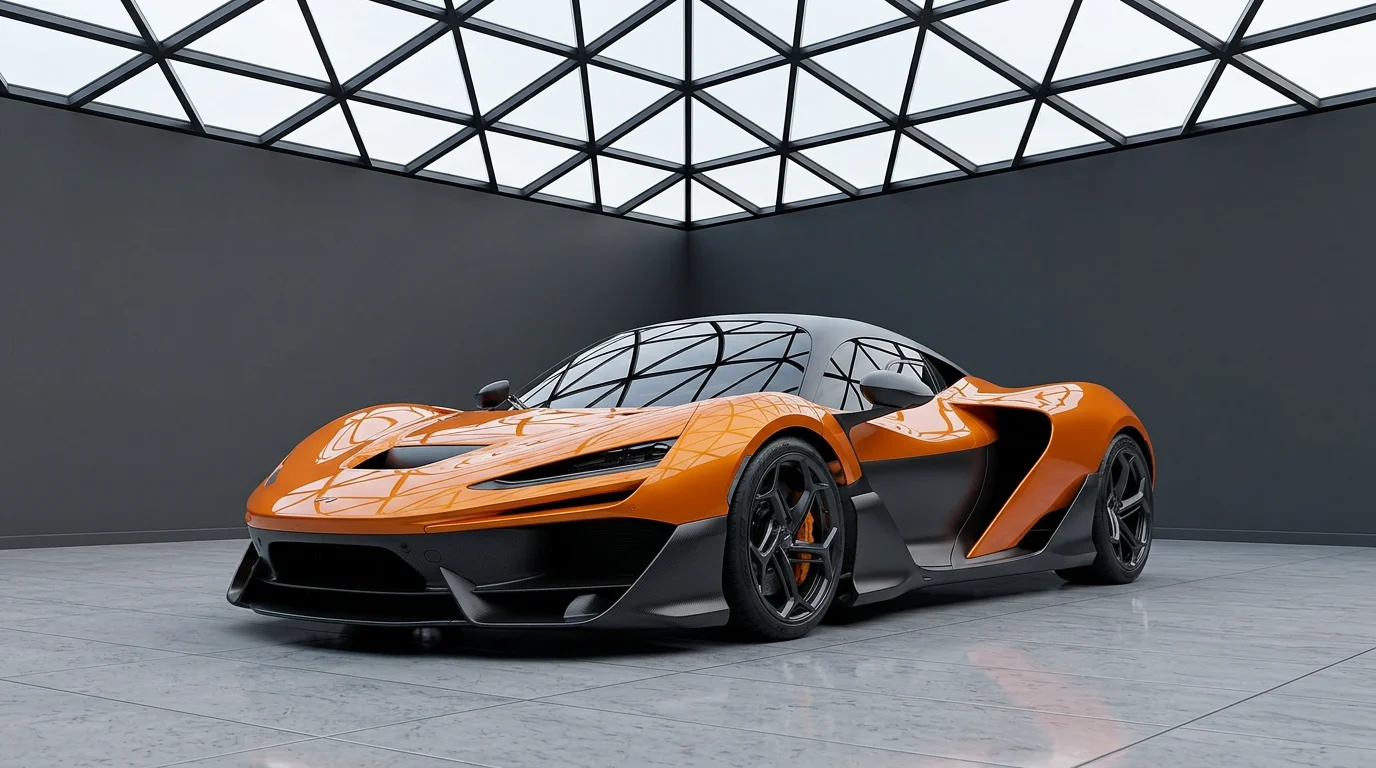
McLaren has built the W1 as the successor to the P1: a rear-wheel-drive hybrid hypercar limited to 399 units worldwide, all allocated before customer deliveries in 2026. Combined output is 1,275 PS (1,258 hp) from a new 4.0-litre twin-turbo V8 and a radial-flux electric motor — a figure that sits just above the Ferrari F80 and well short of the Bugatti Tourbillon.
McLaren W1 Price
McLaren quotes around £2.0 million in the UK before taxes and options, with US coverage putting the equivalent near $2.1 million. That is the allocation price, not a dealer sticker: all 399 cars were assigned to existing McLaren customers, so anything on the open market is a resale. MSO paint, interior and aero commissions will push individual cars higher — the same pattern that took P1s well above their original invoices. Full technical data is in the specification table further down.
In this generation of million-euro flagships the W1 undercuts the F80's $3.735 million US start and the Tourbillon's €3.8 million net. It is still several times a 750S, which is the point: Woking is selling a 399-off Ultimate Series car, not a volume supercar.
Successor to the McLaren P1
The P1 closed McLaren's first hybrid Ultimate Series chapter in 2015. The W1 reopens it with a new carbon Aerocell tub, a physically larger V8, and a much smaller battery. McLaren has been explicit that this is a driver's hypercar, not a grand tourer: rear-wheel drive, electric reverse, and a Race mode that deploys the e-motor for lap time rather than for silent arrivals. The rumoured W1 Spider is a separate, later car — it is not included in the 399-coupe run.
4.0-Litre Twin-Turbo V8 Plus Radial-Flux E-Motor
The combustion engine is McLaren's MHP-8 4.0-litre twin-turbocharged V8, rated at 928 PS (916 hp). A radial-flux electric motor on the transmission adds 347 PS (342 hp). Combined output is 1,275 PS (1,258 hp). Reverse is electric; there is no mechanical reverse gear. The battery is a 1.4 kWh pack, good for about two miles of electric running — enough to leave a paddock, not enough to commute. McLaren did not build this hybrid for EV range. It built it to fill turbo lag and to put a round number on Race-mode deployment.
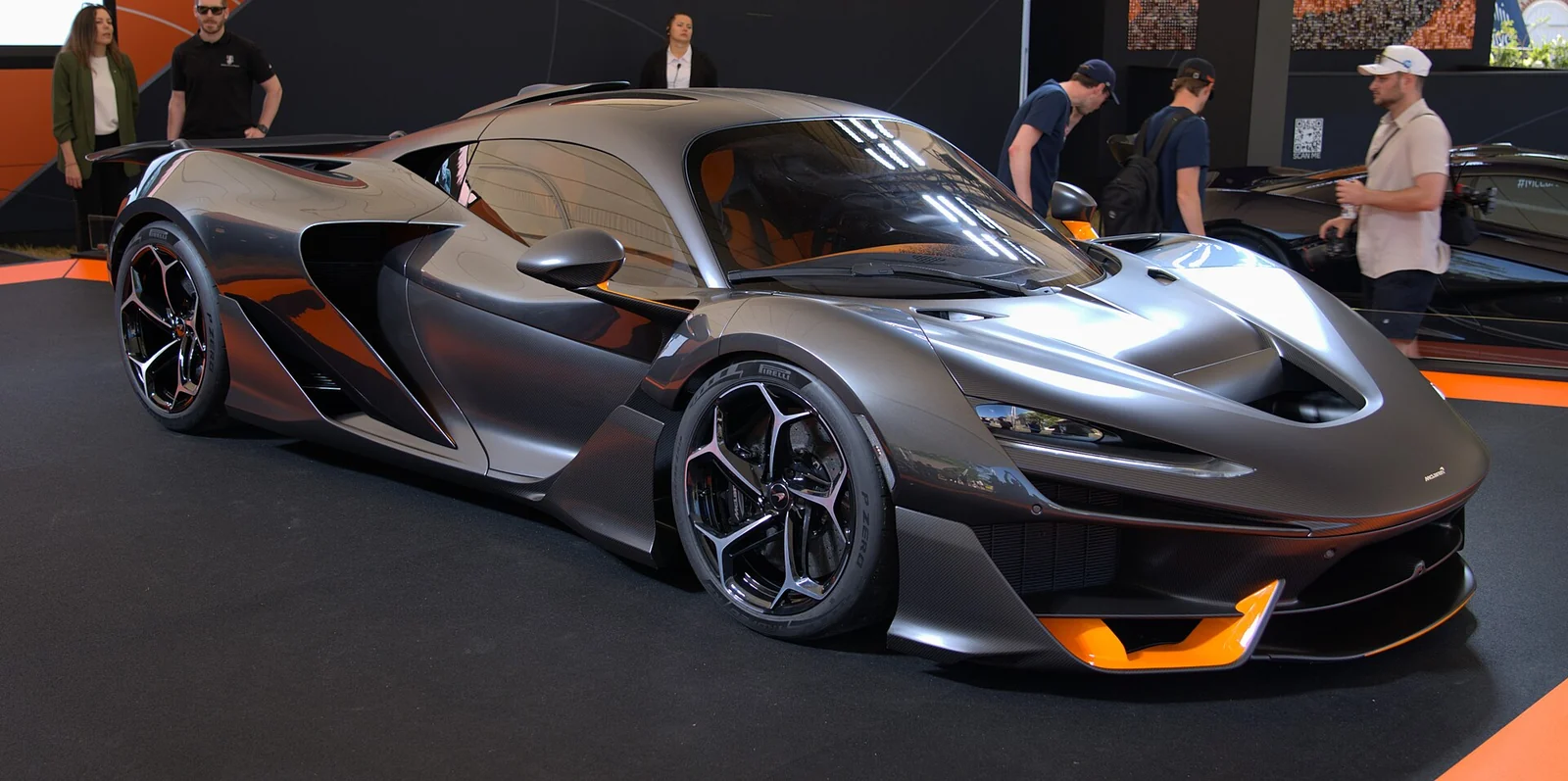
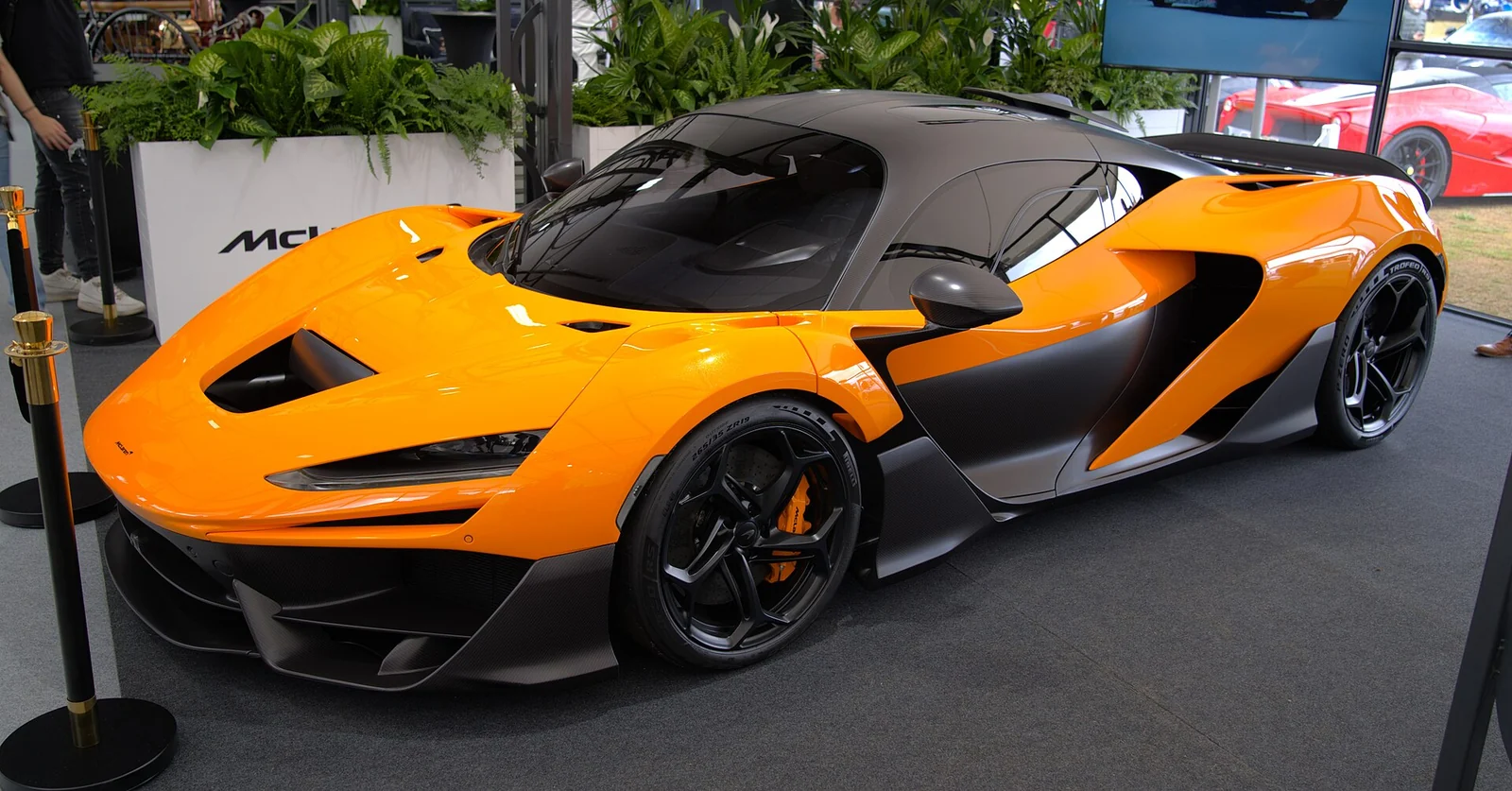
Rear-Wheel Drive, Eight-Speed DCT
Unlike the all-wheel-drive F80 and Tourbillon, the W1 sends everything to the rear axle through an eight-speed dual-clutch transmission. McLaren quotes 0–60 mph in 2.7 seconds, 0–124 mph in 5.8 seconds, 0–186 mph in 12.7 seconds and a top speed of 217 mph (350 km/h). Dry weight is quoted at 1,399 kg. Those numbers sit close to the F80 on top speed and behind it on the 0–62 sprint, which is the trade McLaren accepted by staying rear-drive and keeping the battery tiny. For an F1-derived alternative with four-wheel drive, the Mercedes-AMG ONE remains the other Woking-adjacent benchmark in the archive.
Aerocell Tub and Race Mode Aero
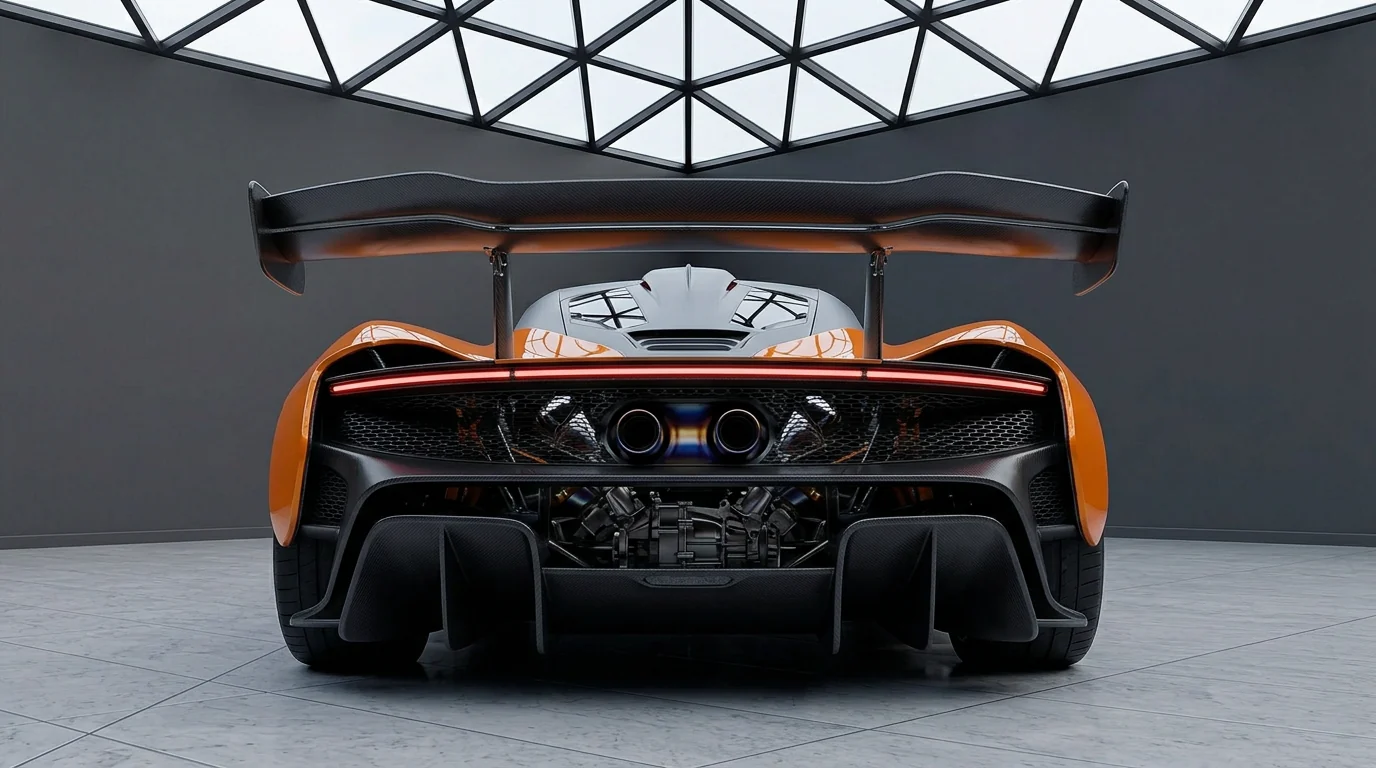
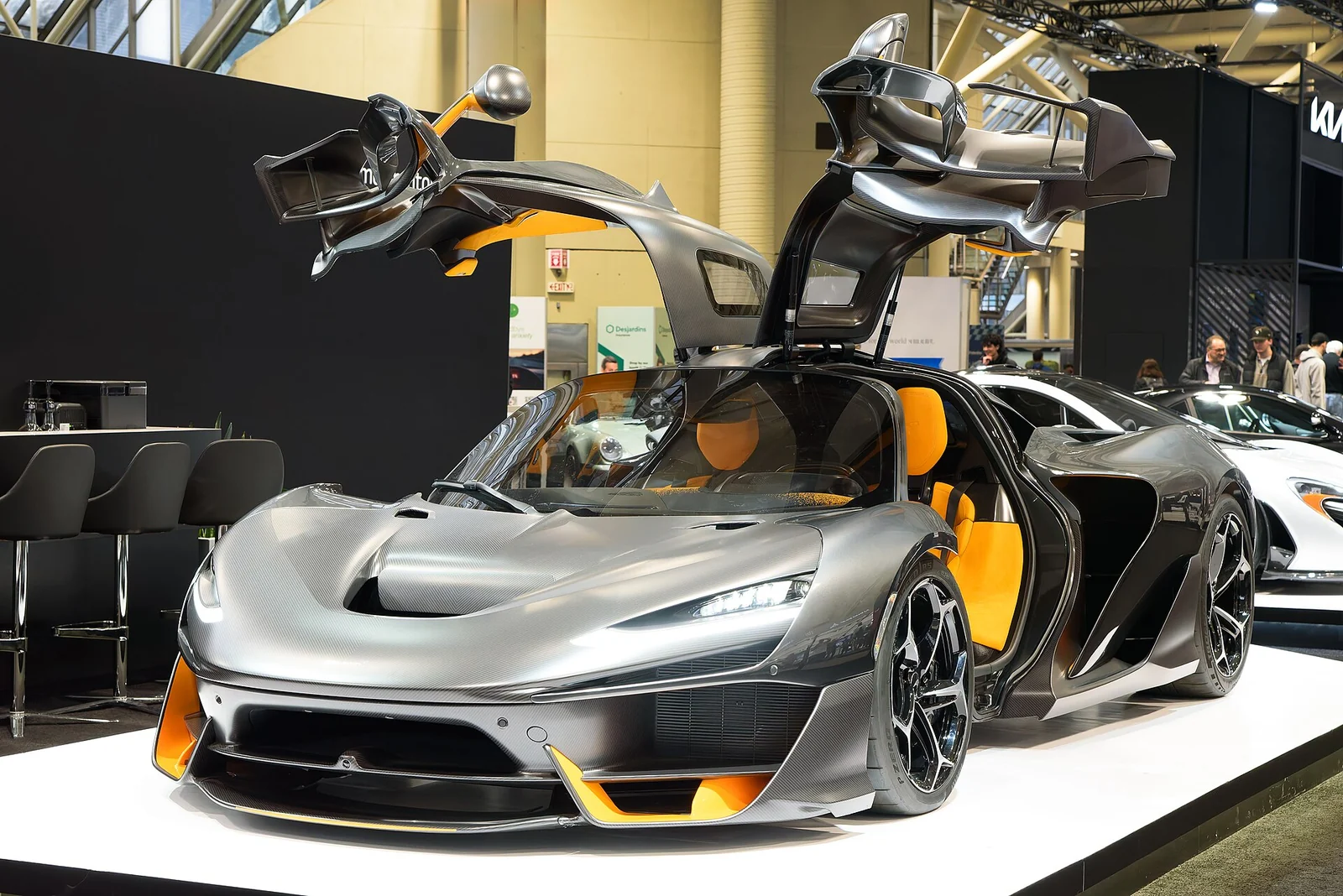
The carbon Aerocell is the structural heart of the car, with the active rear wing, front aero and underbody working as one system. McLaren quotes up to 1,000 kg of downforce. Race mode is the track setting: the e-motor, dampers and wing all shift together. This is not a street-mode gimmick with a louder exhaust. It is the reason the battery exists at all.
Production — 399 Units, All Allocated
McLaren will build 399 examples of the W1 coupe. The company has not announced extra cars, a track-only sister or a cheaper derivative. First customer deliveries run through 2026. Anyone without an allocation is looking at the resale market, or at the still-rumoured Spider on the upcoming timeline.
McLaren W1 Full Specification Table
| Specification | McLaren W1 |
|---|---|
| Engine | 4.0-litre twin-turbo V8 (MHP-8) + radial-flux e-motor |
| ICE Power | 928 PS (916 hp) |
| Electric Power | 347 PS (342 hp) |
| Combined Power | 1,275 PS (1,258 hp) |
| Layout | Rear-wheel drive, 8-speed dual-clutch, electric reverse |
| 0–60 mph | 2.7 seconds |
| 0–124 mph (0–200 km/h) | 5.8 seconds |
| 0–186 mph (0–300 km/h) | 12.7 seconds |
| Top Speed | 217 mph (350 km/h) |
| Dry Weight | 1,399 kg |
| Battery | 1.4 kWh · ~2 miles EV |
| Downforce | Up to 1,000 kg (manufacturer quote) |
| Production | 399 units · allocated |
| Price | Around £2.0 million UK / ~$2.1 million US (before options) |
McLaren W1 — Frequently Asked Questions
What is the McLaren W1?
The McLaren W1 is Woking's successor to the P1: a rear-wheel-drive hybrid hypercar limited to 399 cars. It pairs a new 4.0-litre twin-turbo V8 with a radial-flux electric motor for a combined 1,275 PS (1,258 hp).
How many McLaren W1 cars will be built?
McLaren will build 399 examples of the W1 coupe. The company has said the run is fully allocated. An open-top W1 Spider is separately rumoured for later in the decade and is not part of the 399-car coupe count.
How much does the McLaren W1 cost?
McLaren's published UK figure is around £2.0 million before taxes and options. US coverage has put the equivalent near $2.1 million. Individual cars will cost more once paint, interior and MSO commissions are added.
What engine does the McLaren W1 have?
The combustion side is McLaren's MHP-8, a 4.0-litre twin-turbocharged V8 rated at 928 PS (916 hp). A radial-flux electric motor on the transmission adds 347 PS (342 hp). Combined output is 1,275 PS (1,258 hp). Reverse is handled electrically; there is no mechanical reverse gear.
How fast is the McLaren W1?
McLaren quotes 0–60 mph in 2.7 seconds, 0–124 mph (0–200 km/h) in 5.8 seconds, 0–186 mph (0–300 km/h) in 12.7 seconds, and a top speed of 217 mph (350 km/h).
Is the McLaren W1 all-wheel drive?
No. The W1 drives the rear wheels only, through an eight-speed dual-clutch transmission. That is a deliberate break from the all-wheel-drive Ferrari F80 and Bugatti Tourbillon in the same era.
What is the McLaren W1 battery range?
The hybrid pack is a small 1.4 kWh unit. McLaren quotes around two miles of electric-only running — enough for pit-lane and low-speed manoeuvres, not for commuting. The motor exists to fill torque holes and to power Race-mode deployment.
When do McLaren W1 deliveries start?
Customer deliveries of the W1 coupe are scheduled through 2026. McLaren revealed the car in 2024; by September 2026 the 399 allocations remain sold and no extra production has been announced.
Sources & Verification
Technical figures and production numbers verified against McLaren's W1 page, Car and Driver, and contemporaneous launch coverage. Performance figures are manufacturer-quoted at time of publication.