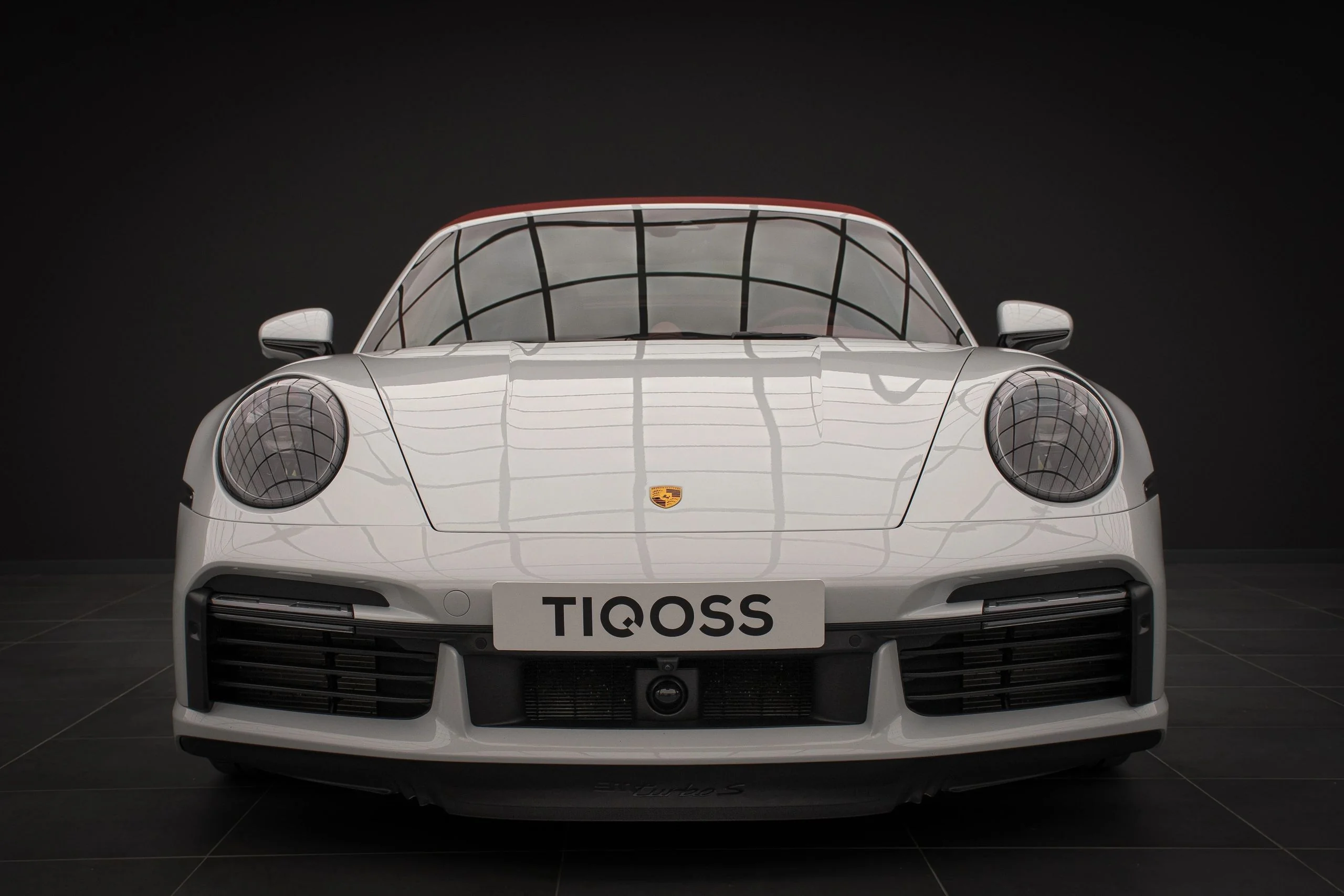
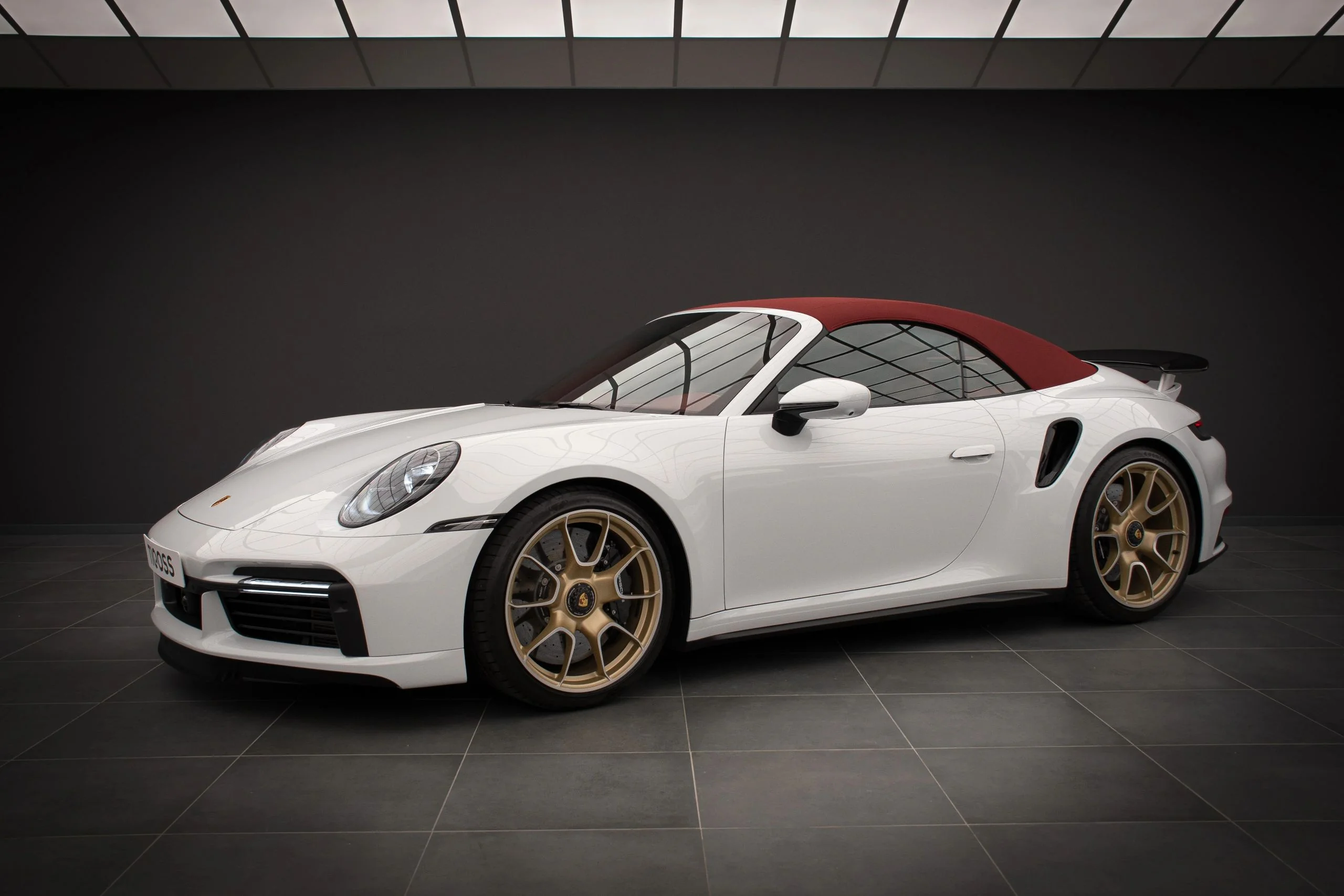
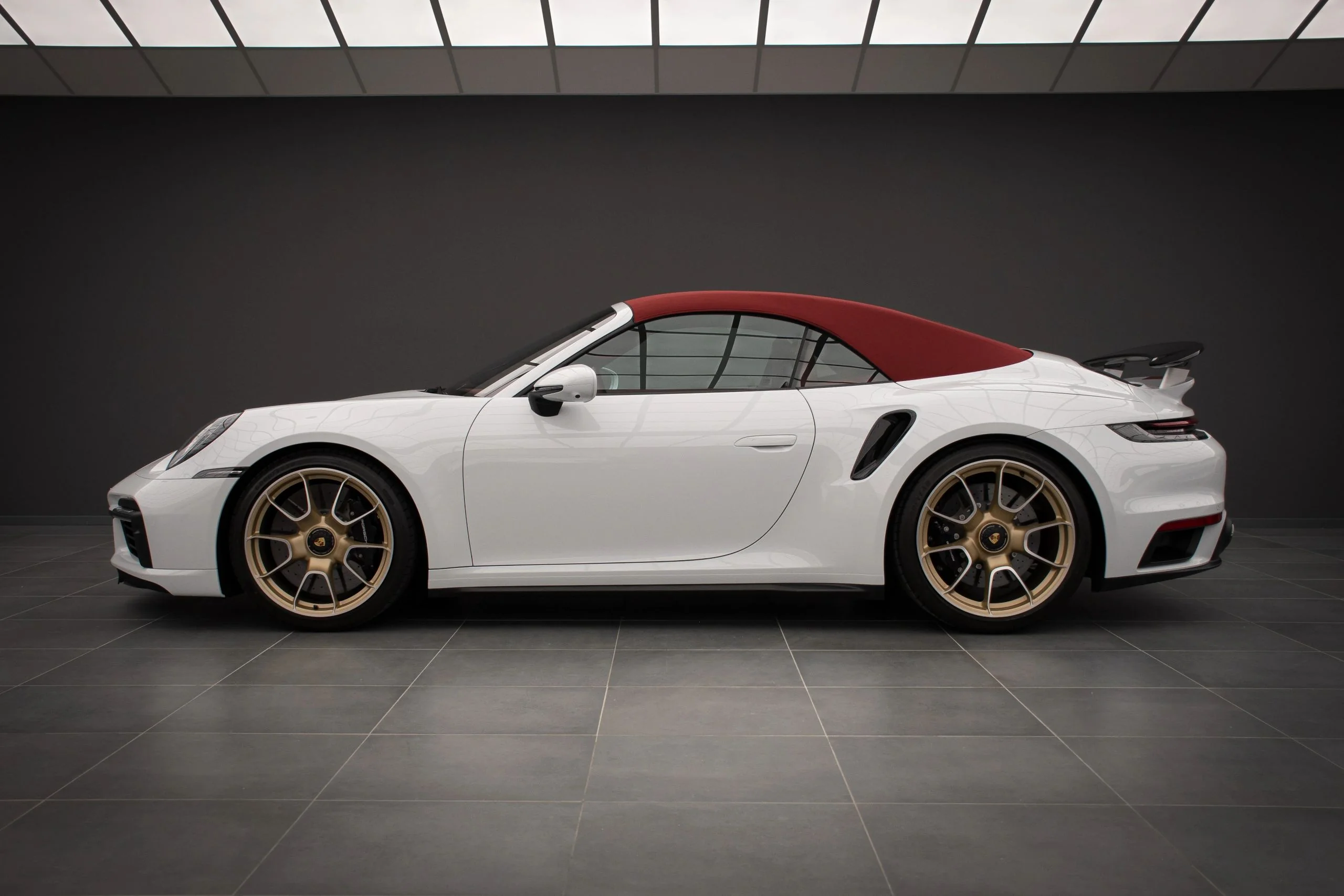
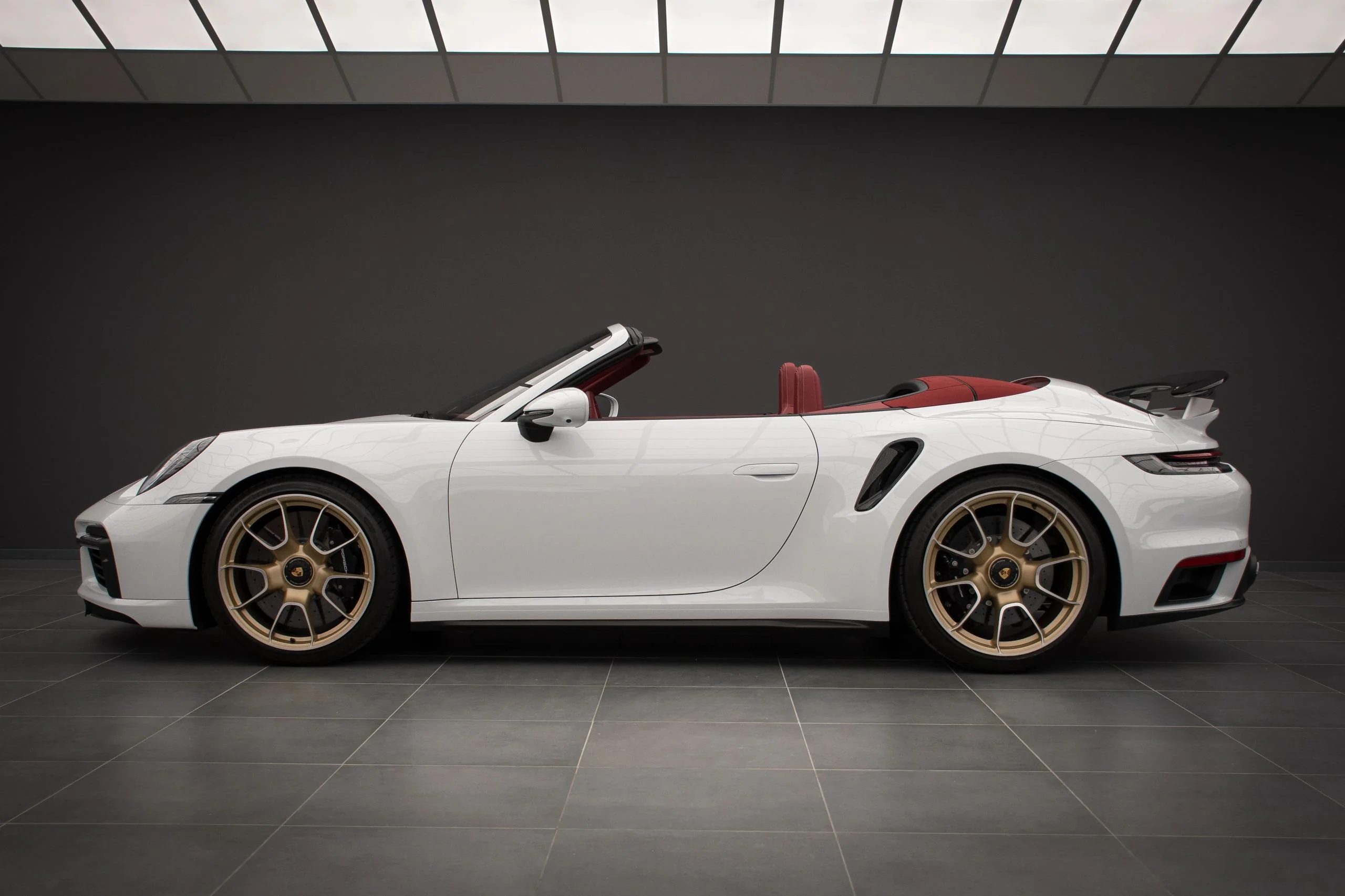

Porsche 911 Turbo S Cabriolet: The Porsche for Every Occasion
I bought this Turbo S new, because I wanted a convertible I could drive all year round. All-wheel drive, a superb engine, and the drag races on YouTube, where it beats much more powerful rivals, convinced me.
It fires like a projectile. The way it pulls from 5,000 rpm upwards is unbelievable. It launches like a projectile.
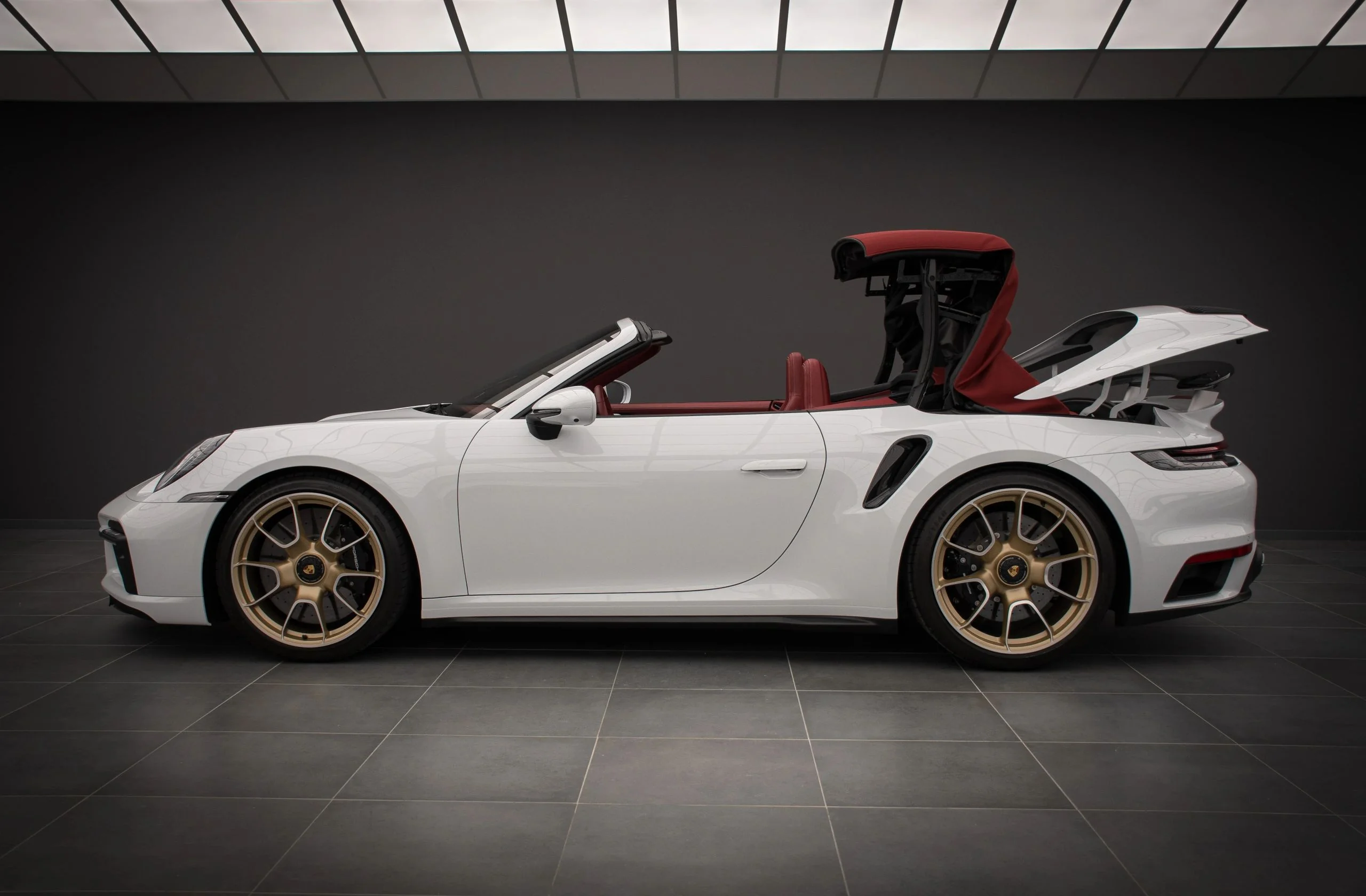
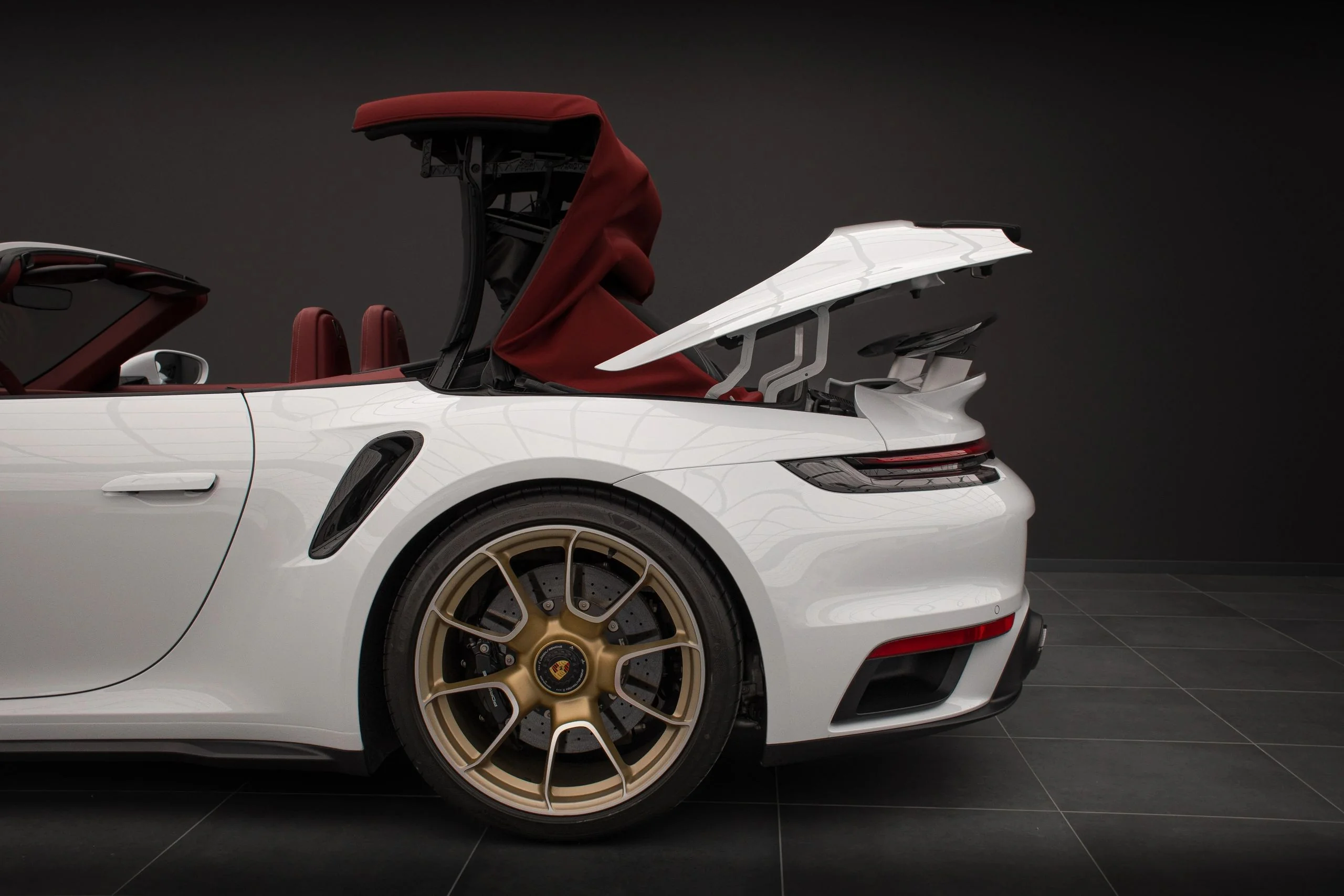
GT3 RS vs Turbo S. Unlike the GT3 RS, it is drivable in the city, because it is not as stiff. In corners it is not as sharp as the GT3 RS, but it is still excellent. It is simply the Porsche for every occasion. With the GT3 RS I love the scream of the engine at 9,000 rpm; with the Turbo S I love the sound of the intake, the way you can hear it gulping air when you accelerate. And it is perfect to drop the roof and enjoy a sunny day.
The one thing I would change. Porsche could have given it a better sound with the exhaust flaps open.
Porsche 911 Turbo S Cabriolet 992 — Owner FAQ
Is the Porsche 911 Turbo S Cabriolet a year-round car?
Yes. Thanks to all-wheel drive, we use it as a convertible for every season.
Turbo S or GT3 RS: which is better?
The GT3 RS is the sharper track car with a 9,000 rpm engine. The Turbo S is faster in a straight line, more comfortable and far easier to live with every day.
How does the 911 Turbo S sound?
The intake sound under acceleration is great. The exhaust could sound better, even with the flaps open.
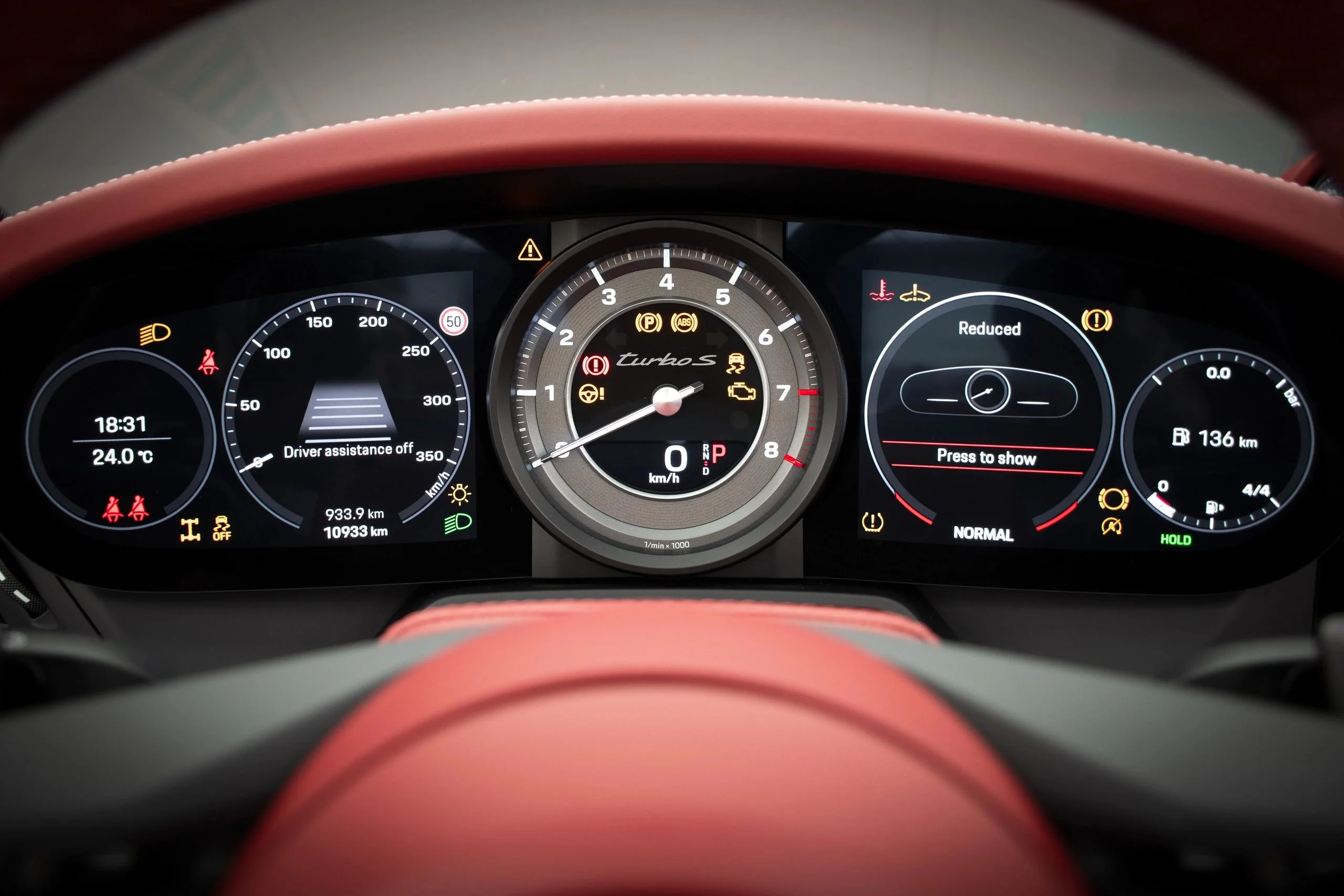
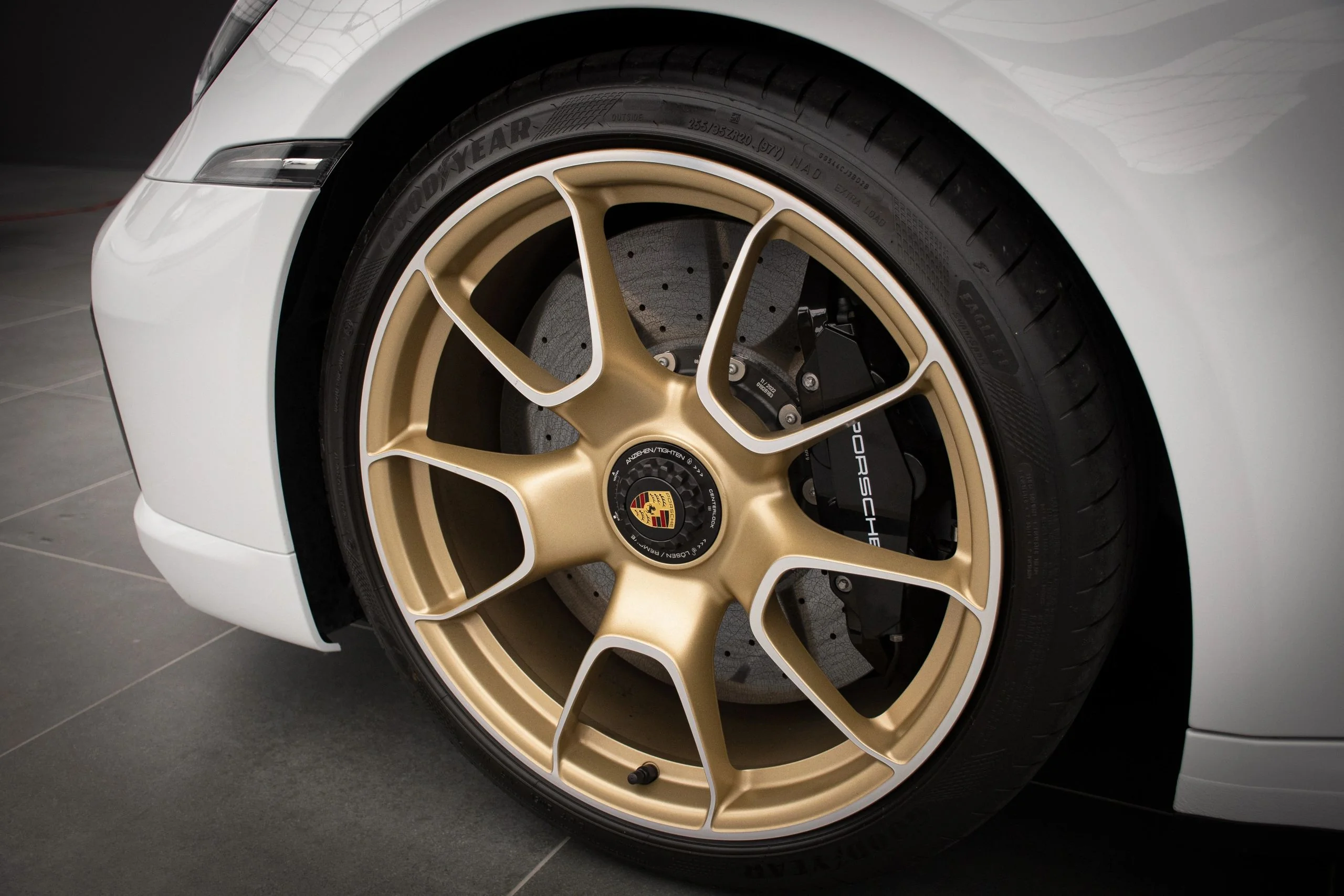
The 992-generation Turbo S is the 911 built for speed that can be used in any weather, on any surface and at any temperature, which is a different brief from the track-focused GT cars. Its 3.8-litre twin-turbocharged flat-six is rated at 650 hp, drive goes to all four wheels through an eight-speed PDK and Porsche's Traction Management system, and carbon-ceramic brakes, rear-axle steering and a staggered wheel package with larger rims at the rear are part of the standard specification. The Cabriolet adds a fabric roof that folds away at low road speed without changing the mechanical package underneath.
What separates the Turbo S from the rest of the range is not simply boost. It is the completeness of the delivery: full torque arrives low in the rev range and the four-wheel-drive system puts it down without drama, so the car covers ground with very little apparent effort.
Variable-geometry turbochargers and active aerodynamics
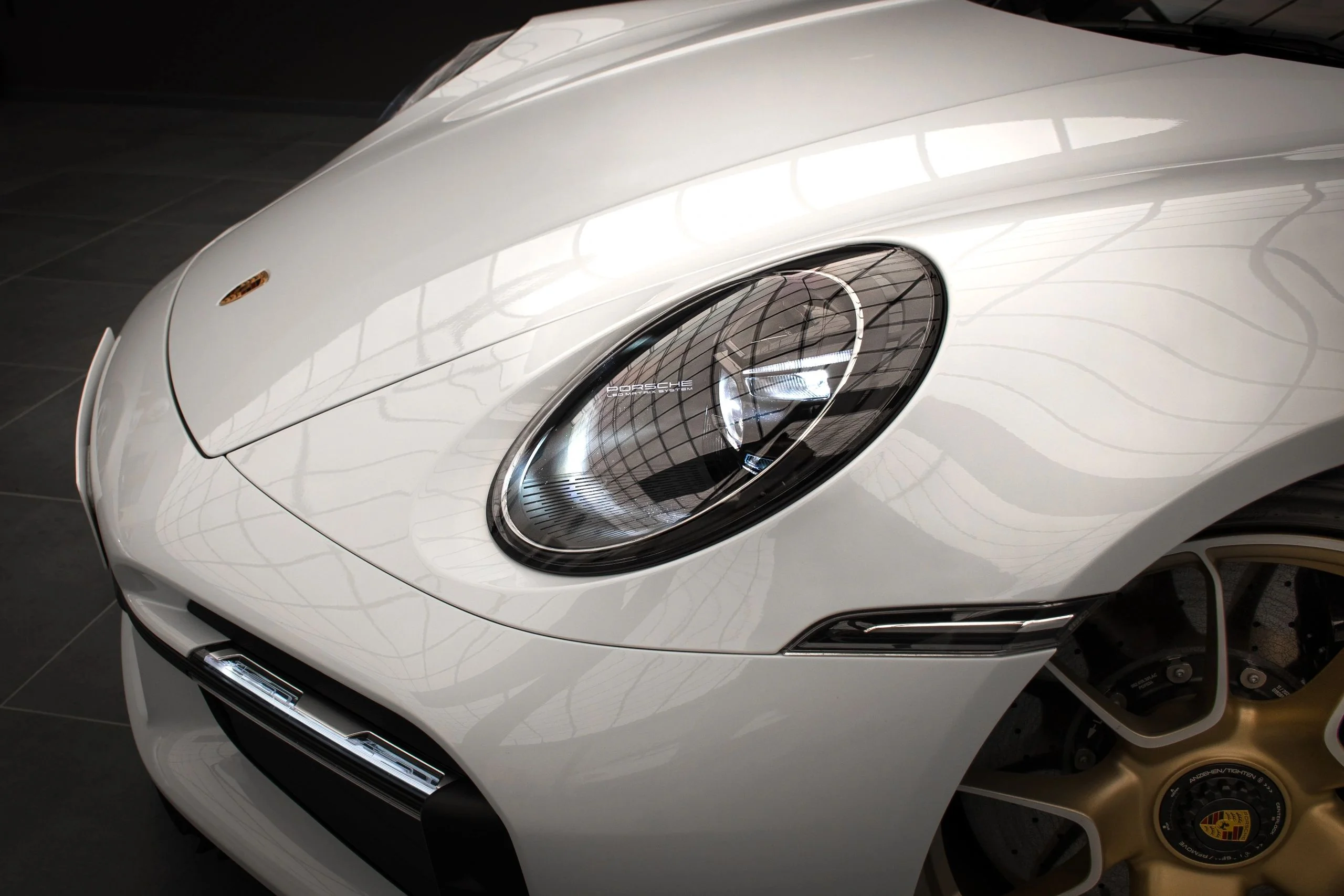
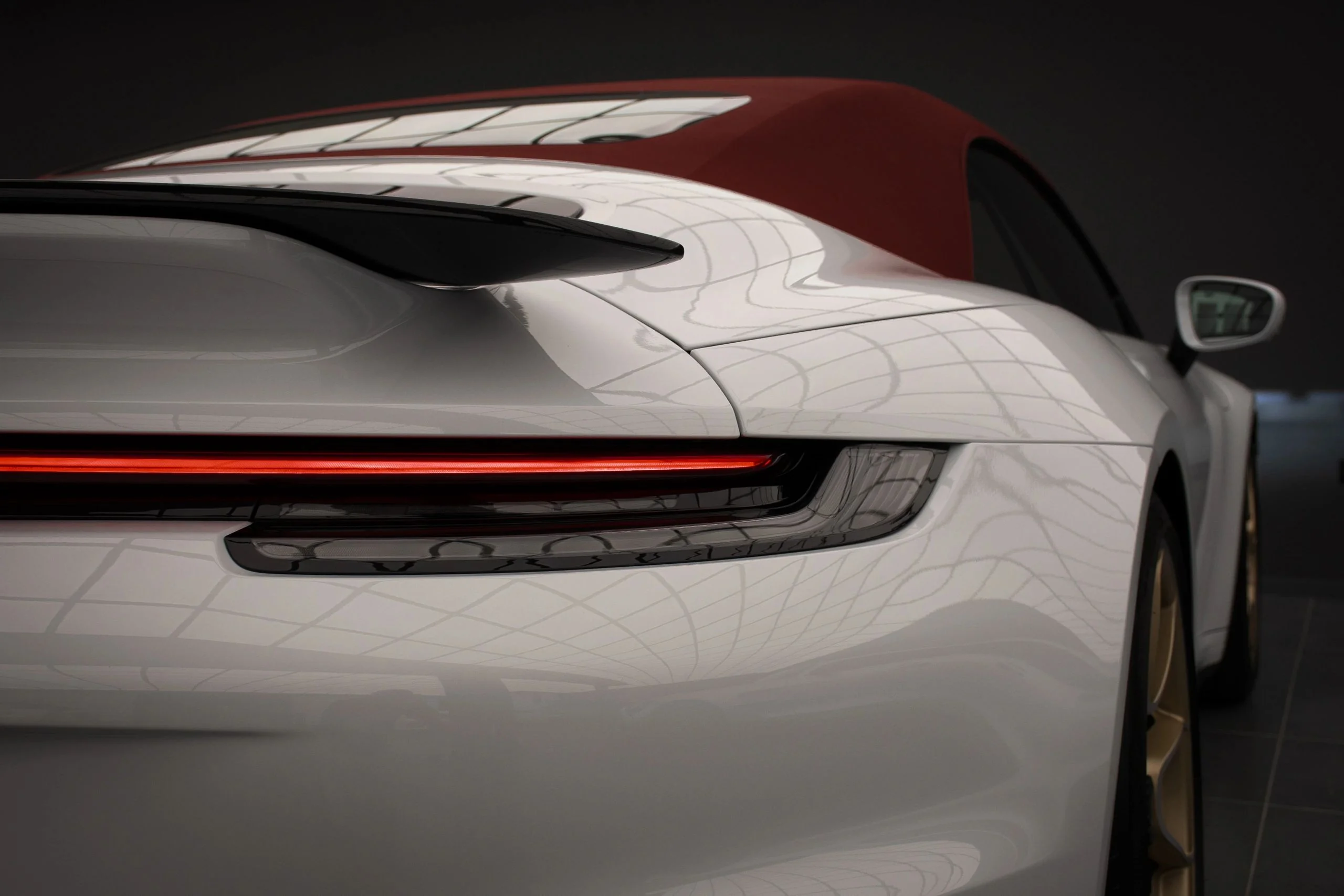
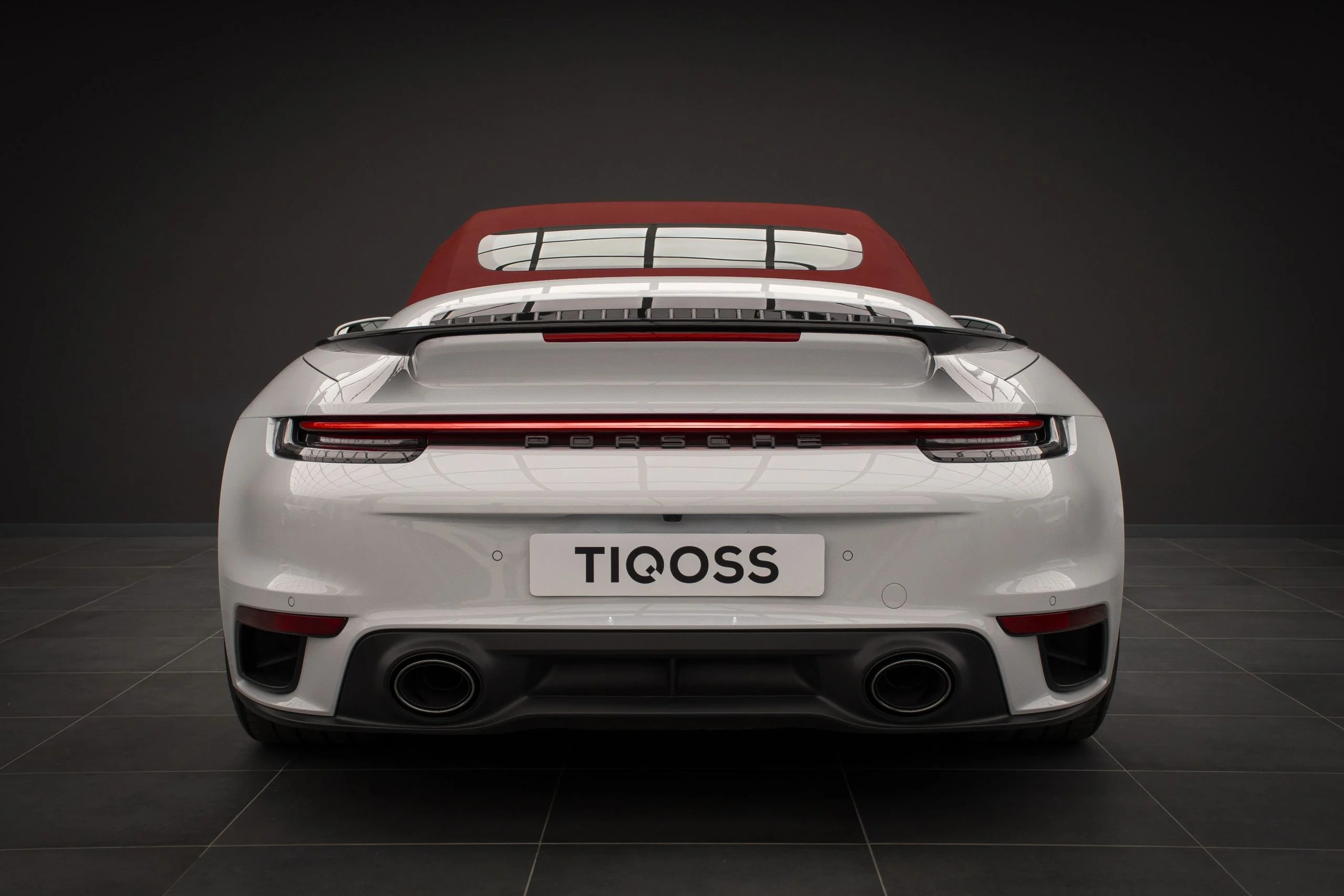
Porsche has used variable-turbine-geometry turbochargers on petrol 911s for two decades, and the 992 Turbo S takes the idea further with a symmetrically arranged pair, one per cylinder bank, with electrically controlled wastegates. Moveable vanes in the turbine housing change the effective gas path through the turbine, so a single turbocharger can behave like a small one at low engine speed and a large one at high speed — the reason the engine pulls hard from low revs without running out of breath at the top. The aerodynamics work the same way: the front spoiler extends in sections, the rear wing changes angle with speed and driving mode, and both surfaces move again under hard braking to act as an air brake.
In the Batman Garage collection the Turbo S Cabriolet is the usable extreme, which puts it at the opposite end of the 911 spectrum from the naturally aspirated GT3 RS Weissach in the same garage. What tuners do with the same platform is covered in our report on the Brabus 900 Rocket R, the open-top GT alternative appears as the 911 GT3 S/C Cabriolet, and the car that still defines Porsche's analogue high point is the Carrera GT in our legends section.
Specifications
| Make | Porsche |
| Model | 911 Turbo S Cabriolet |
| Generation | 992 |
| Engine | 3.8L Twin-Turbo Flat-6 |
| Power | 650 hp |
| Type | Convertible Supercar |