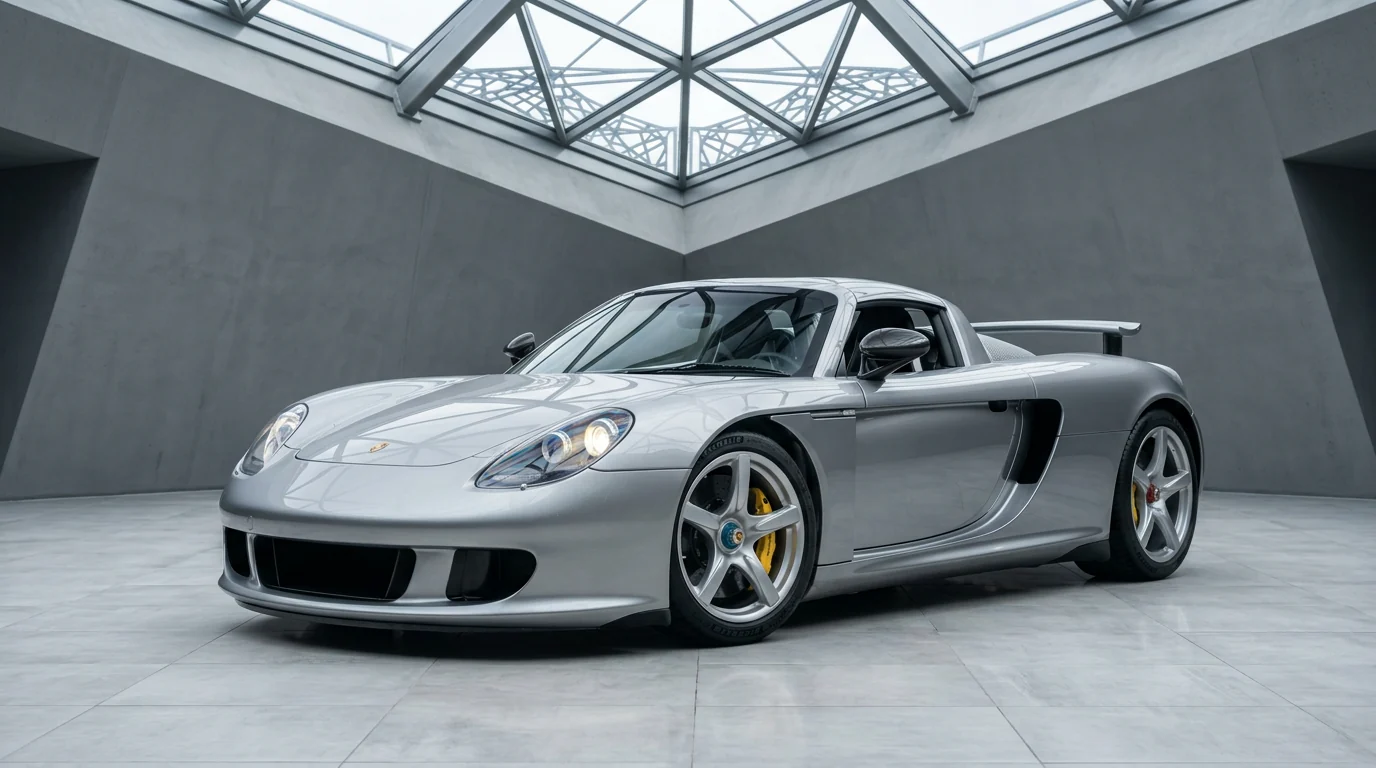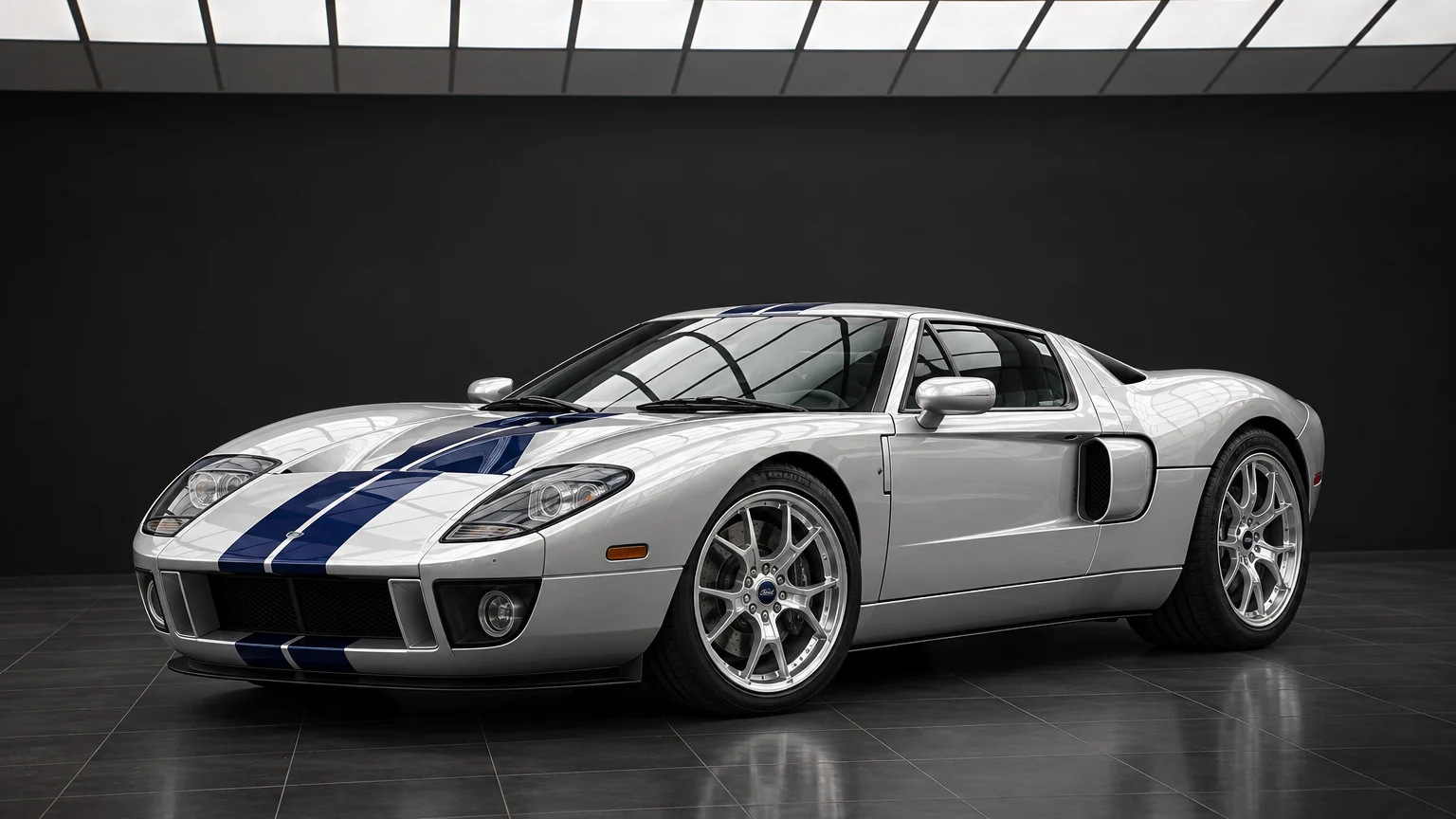
The Ford GT name starts in 1963, not in a design studio looking for a poster car. Ford tried to buy Ferrari. Enzo Ferrari walked away. Henry Ford II then funded a mid-engine sports-racing car short enough to be called GT40 — forty inches high — and sent it to the 24 Hours of Le Mans until it beat Maranello. It did, four years running from 1966 to 1969. That original programme is the first half of this guide. The second half is the road car Ford built for 2005–2006, the silver GT on the hero above, and the 2022 Ford GT as a modern reading of the same history.
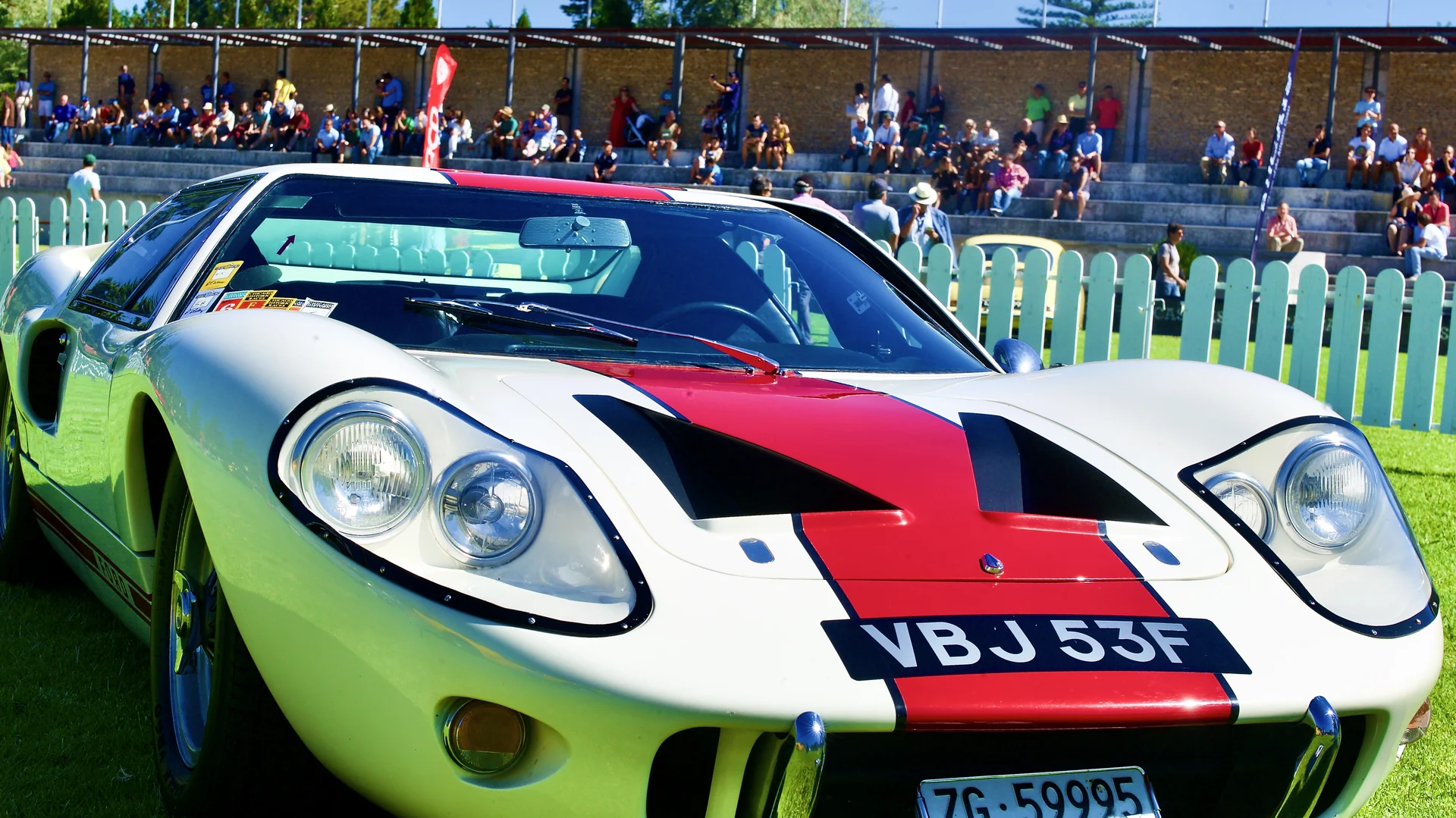
Ford GT40 Specifications
Figures vary by mark. The car that finished 1–2–3 at Le Mans in 1966 was the Mk II with a 7.0-litre V8. The later Mk IV used the same displacement in a different chassis and won in 1967. Road-going Mk III cars used a 4.7-litre V8. Original production across all marks is a little over 100 cars.
| Specification | Details |
|---|---|
| Model | Ford GT40 (Marks I–IV) |
| Production | 1964–1969 (original cars) |
| Layout | Mid-engine, rear-wheel drive |
| Mk I engine | 4.7-litre (289) V8, about 390 hp |
| Mk II / Mk IV engine | 7.0-litre (427) V8, about 485 hp |
| Height | 40 inches (1,016 mm) — the name |
| Le Mans wins | 1966, 1967, 1968, 1969 |
| Original production | Just over 100 cars of all marks |
| Road cars | Seven Mk III examples |
| 2005–2006 Ford GT | Supercharged 5.4-litre V8, 550 hp, 4,038 built |
| 2017–2022 Ford GT | 3.5-litre twin-turbo V6, 647–660 hp, allocated production |
Ford GT40 History: From the Ferrari Deal to 1969
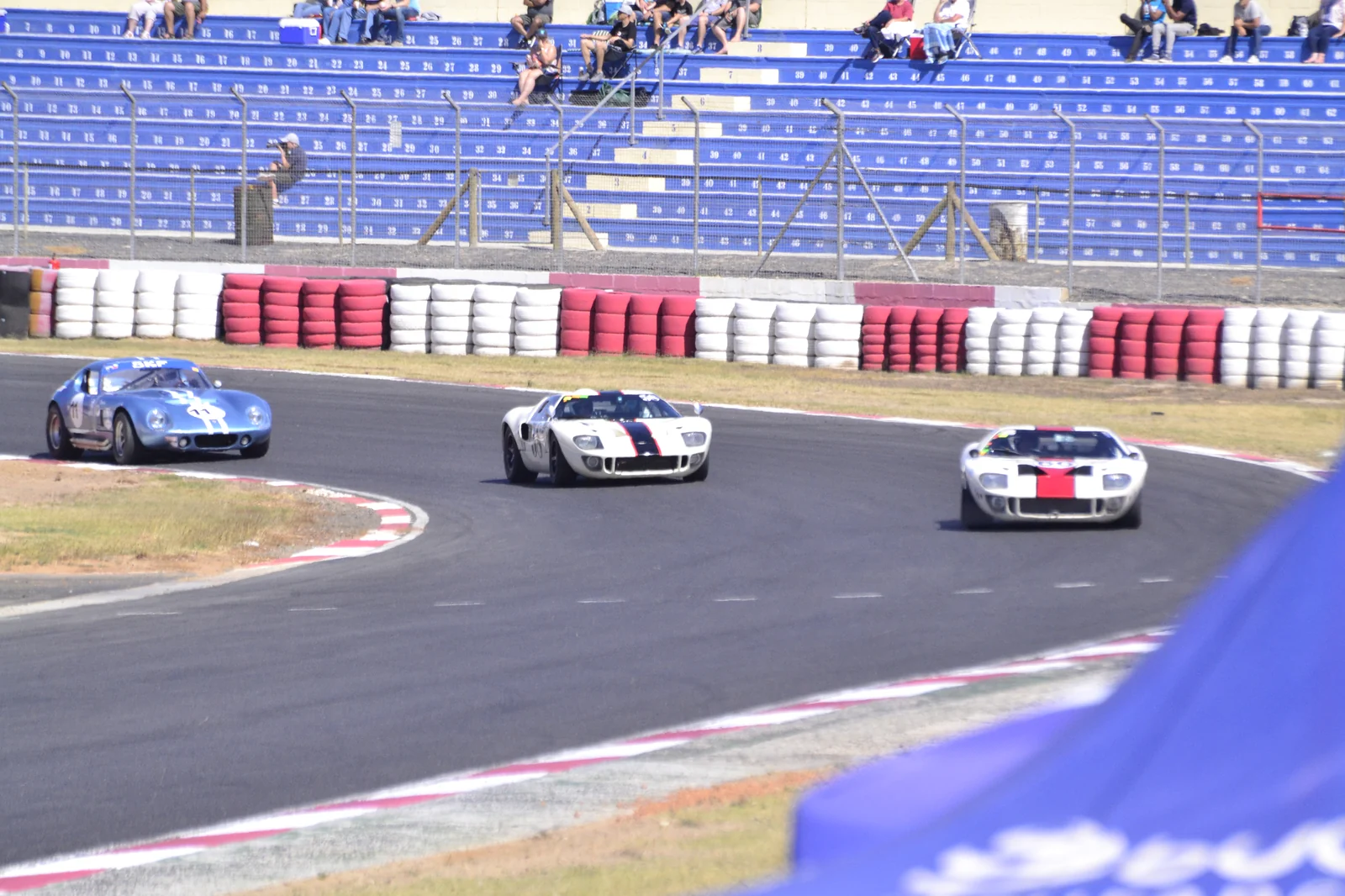
Ford Advanced Vehicles in Slough started the project with Lola’s Eric Broadley, using lessons from the Lola Mk 6 GT. The first cars were mid-engine, rear-drive coupes with a Ford V8 behind the seats and a roof line low enough to clear the Le Mans garage door — and to earn the type number. The first attempts at the 24 Hours, in 1964 and 1965, failed on reliability and on pace once the distance bit. Shelby American then took the racing programme in hand.
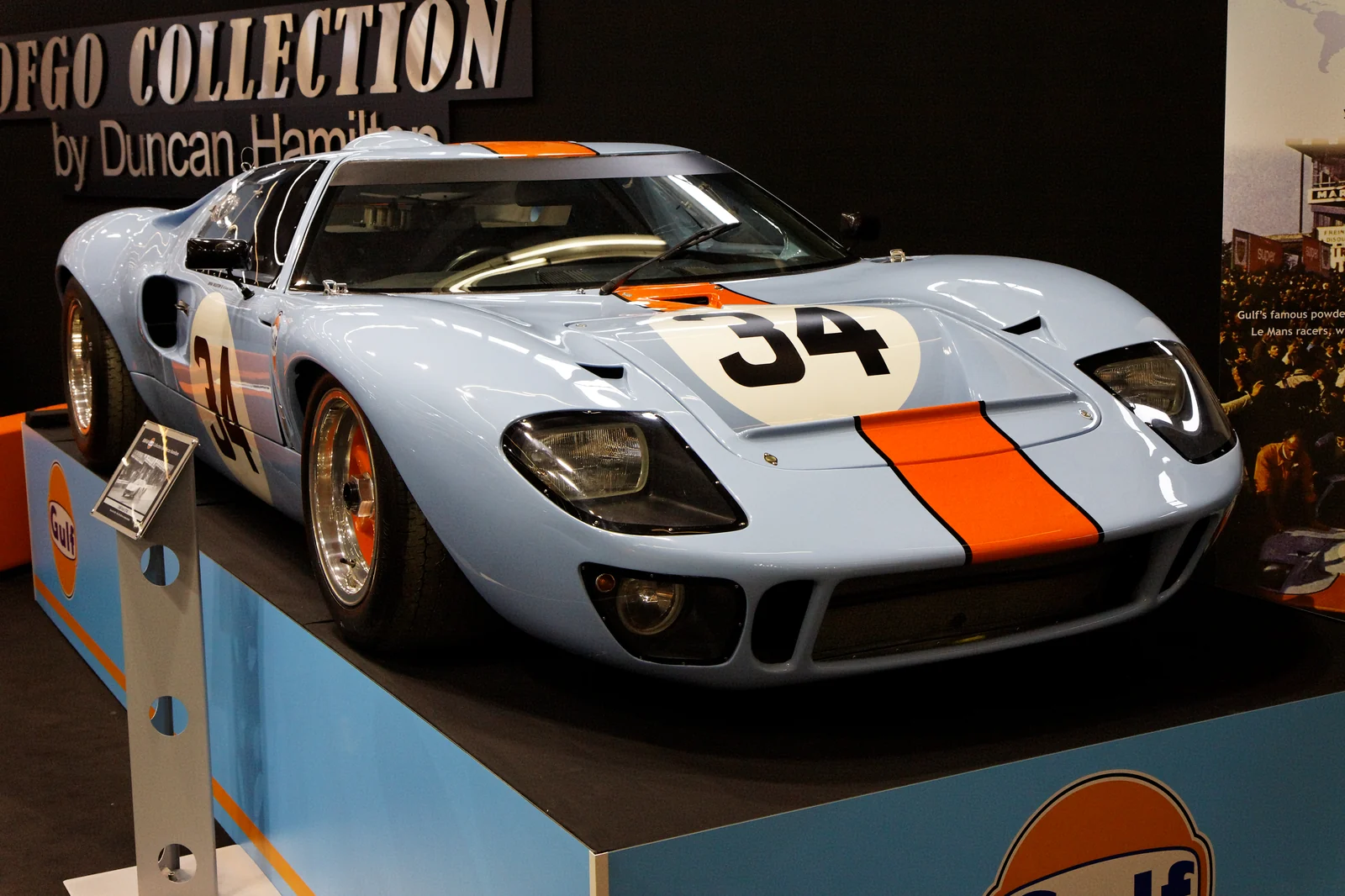
In 1966 the Mk II, with the 7.0-litre (427) V8, finished first, second and third. Bruce McLaren and Chris Amon won. Ferrari’s hold on the race was broken in a single afternoon. The Mk IV — a different chassis, still with the big 427 — won in 1967 with Dan Gurney and A. J. Foyt. After the rules moved against the big American engines, John Wyer’s Gulf-liveried Mk I cars won in 1968 and 1969. Four straight years. That is the GT40 as a racing artefact, not a later homage.
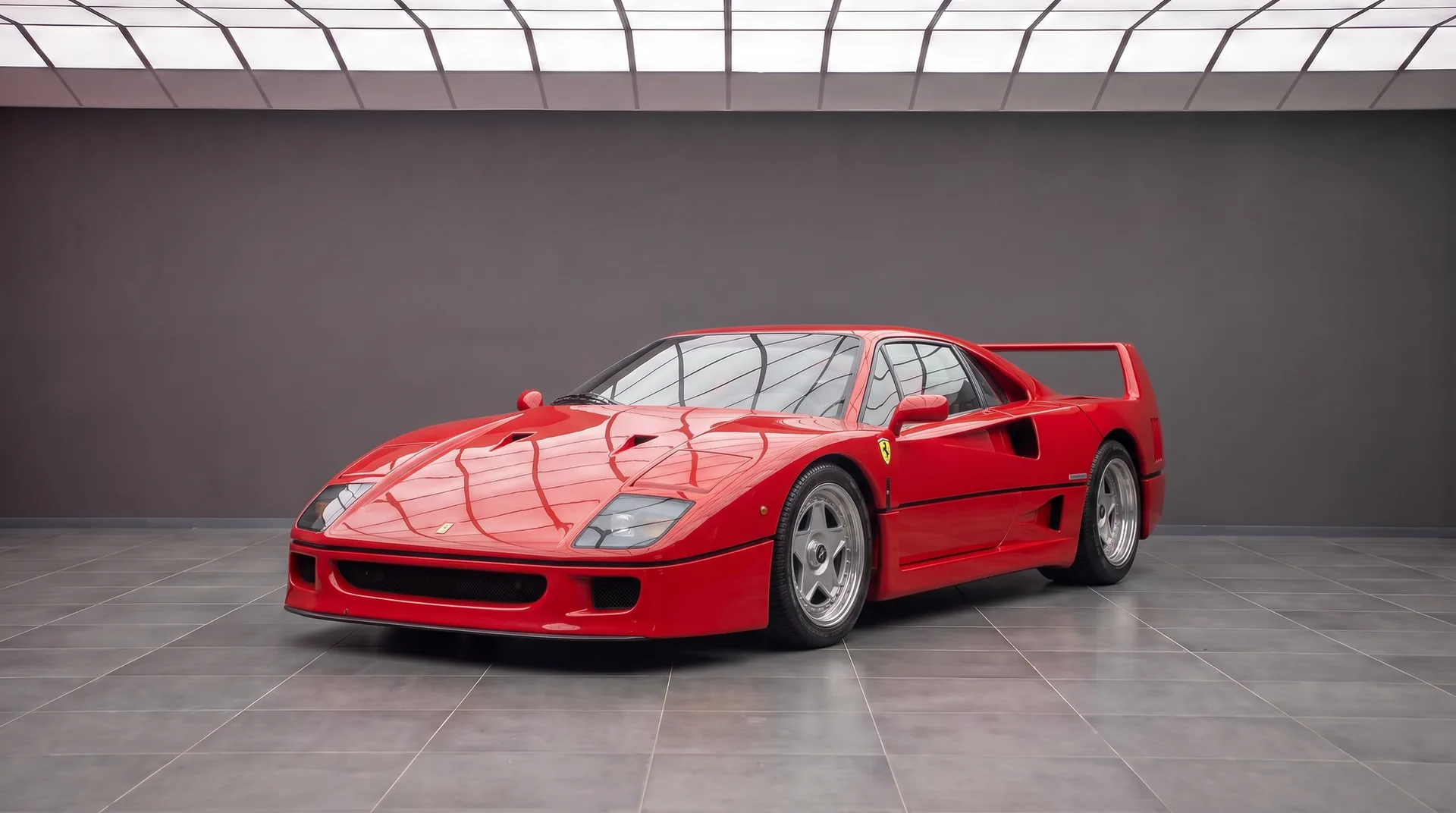
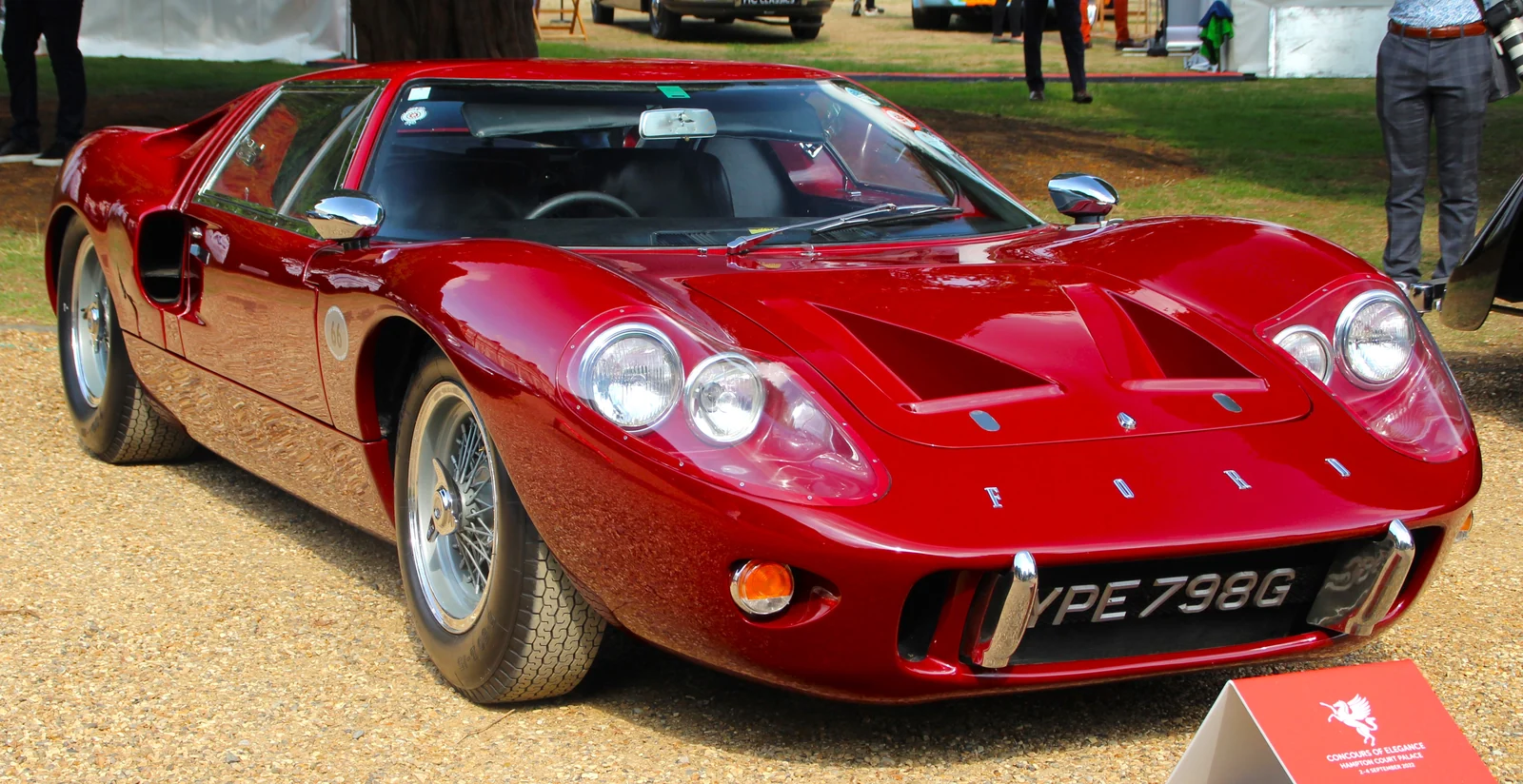
Ford also built a handful of road cars. The Mk III used a 4.7-litre V8, a longer nose to meet lighting rules, and a cabin you could register. Seven were made. They are the rarest original GT40s a collector can discuss without talking about a race chassis. They are also why a GT40 is not interchangeable with a Ferrari F40: one is a 1960s endurance weapon with a tiny road offshoot, the other a 1980s road supercar. They share a number and a rivalry, not a specification sheet.
The 2005–2006 Ford GT
The GT40 name stayed with the 1960s cars. Ford reused the idea, not the type number, when it put a new Ford GT into production for the 2005 model year and ran it through 2006. That is the silver car on this page: a supercharged 5.4-litre Modular V8 rated at 550 hp, an aluminium spaceframe, a carbon-fibre body, and proportions that quote the original roof line without pretending to be a continuation chassis. Ford built 4,038 examples. It is a road car first — the opposite of the Mk I and Mk II — and the first time the factory sold the GT story to the public in volume.
That 2005–2006 car closed the first revival. It is not a GT40. It exists because the GT40 made the badge mean endurance, not just a blue oval. Collectors treat it as its own market: documented build numbers, supercharger service, and the difference between an early 2005 and a late 2006 matter more than a Gulf stripe on a replica.
The 2022 Ford GT: A Modern Reading of the History
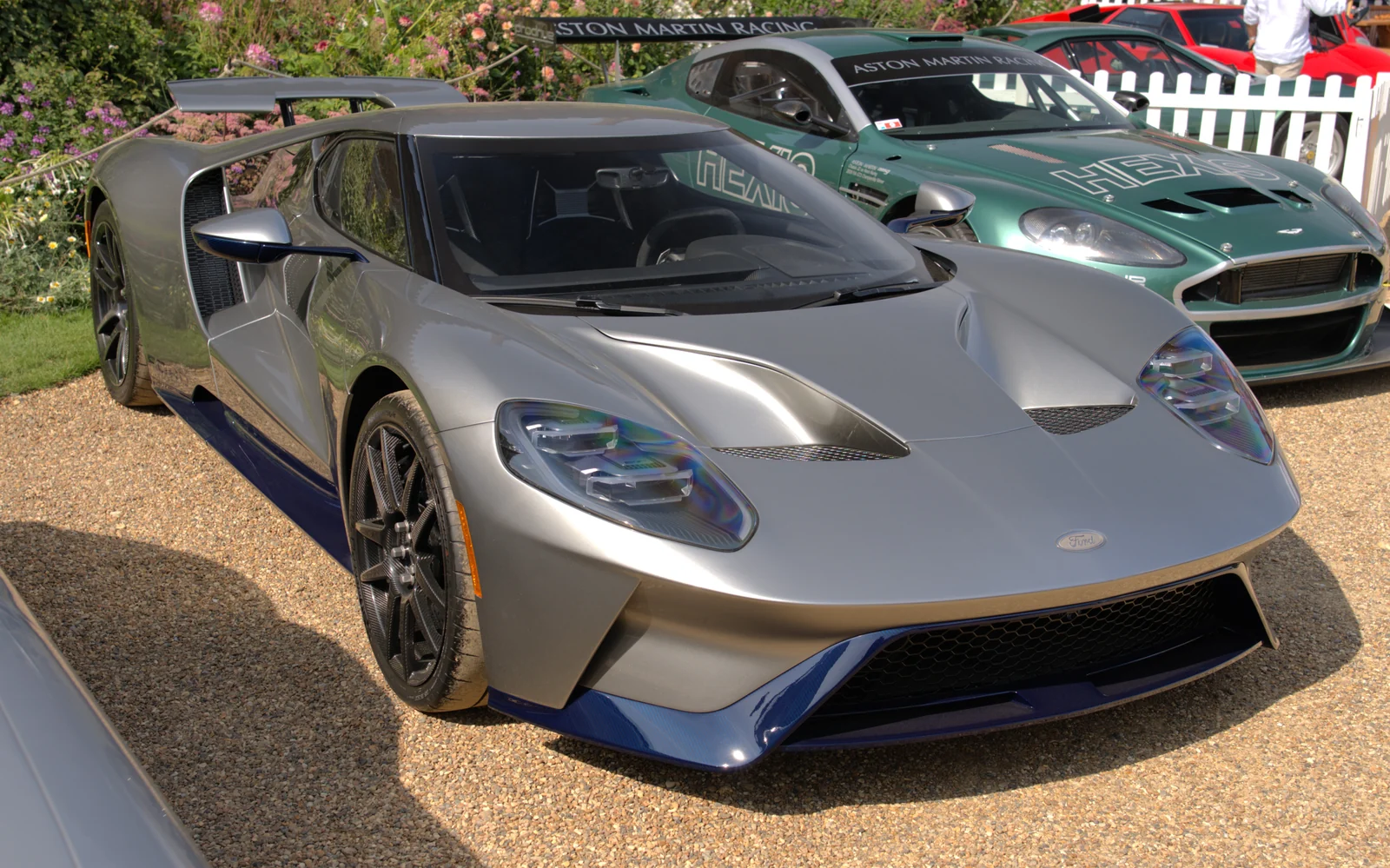
Ford returned again for 2017–2022. The second modern GT uses a 3.5-litre twin-turbo EcoBoost V6 — 647 hp at launch, later 660 hp on some editions — in a carbon-fibre monocoque with active aerodynamics. Production was limited and allocated. A GTE Pro racing version won its class at Le Mans in 2016, fifty years after the Mk II’s 1–2–3. The last model year, 2022, included the LM Edition and other farewell series. That car is not a remake of the 1966 winner and it is not a remake of the 2006 road GT. It is a modern reading of the same history: mid-engine, low, American, and still arguing with Ferrari at the 24 Hours.
Batman Garage Collector Verdict
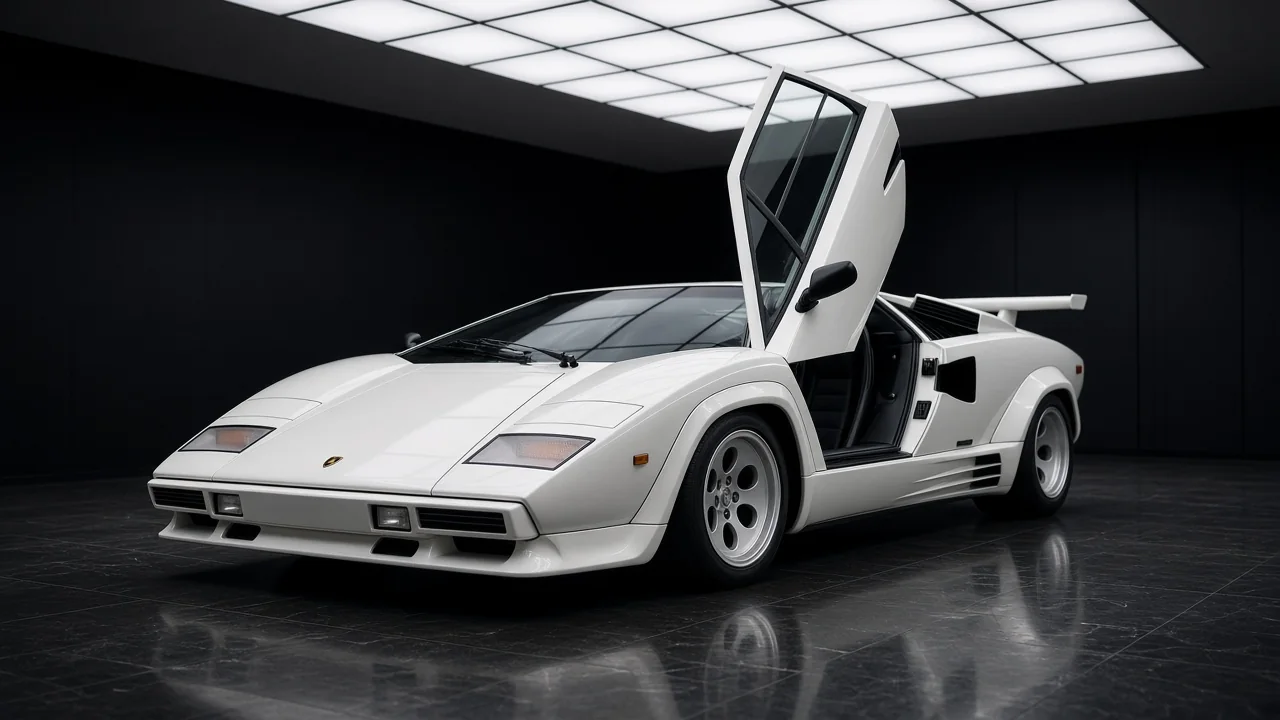
An original GT40 is a racing artefact with a documented war against Ferrari. The 2005–2006 Ford GT is the first factory road revival. The 2022 GT is a later, carbon-era reading of the same silhouette. Do not confuse continuation cars, replicas and those two factory programmes with a 1960s chassis. Service history, FIA papers where they exist, and a clean identity plate matter more than paint. For another 1960s–70s silhouette that became a poster, see the Countach 5000 Quattrovalvole. This story sits in the Legendary Cars collection because the name still means Le Mans.
Sources
- Ford — manufacturer history of the GT40 programme and later Ford GT production
- 24 Hours of Le Mans official results, 1966–1969 and 2016 GTE Pro
- Period Ford Advanced Vehicles / Shelby American programme records for marks and engine fits
Frequently Asked Questions
What is the Ford GT40?
The Ford GT40 is a mid-engine sports-racing car built so Ford could win the 24 Hours of Le Mans. It is 40 inches high, which is how it got the name. Marks I, II and IV took four consecutive Le Mans victories from 1966 to 1969.
How many Ford GT40s were built?
A little over 100 original GT40s were built across the marks, including seven Mk III road cars. Later continuation cars and the 2005–2006 and 2017–2022 Ford GTs are separate programmes.
Why did Ford build the GT40?
After Ford’s bid to buy Ferrari collapsed in 1963, Henry Ford II ordered a programme that could beat Ferrari at Le Mans. The GT40, developed with Lola and later run by Shelby American, was that car.
Did Ford build a new GT after the GT40?
Yes. Ford revived the idea as the Ford GT for 2005–2006 with a supercharged 5.4-litre V8, then again for 2017–2022 with a twin-turbo 3.5-litre V6 and a carbon monocoque. The last model year of that second revival was 2022, including the LM Edition.
What engine is in a Ford GT40?
Depending on the mark: a 4.7-litre (289) V8 on early Mk I cars, the 7.0-litre (427) V8 on the Mk II and Mk IV, and a 4.7-litre road tune on the Mk III.
Is the Ford GT40 a collector car?
Yes. Original competition cars with Le Mans or period race history sit at the top of the market. Road Mk IIIs and documented privately entered cars are also established collector references. Provenance must be checked separately.