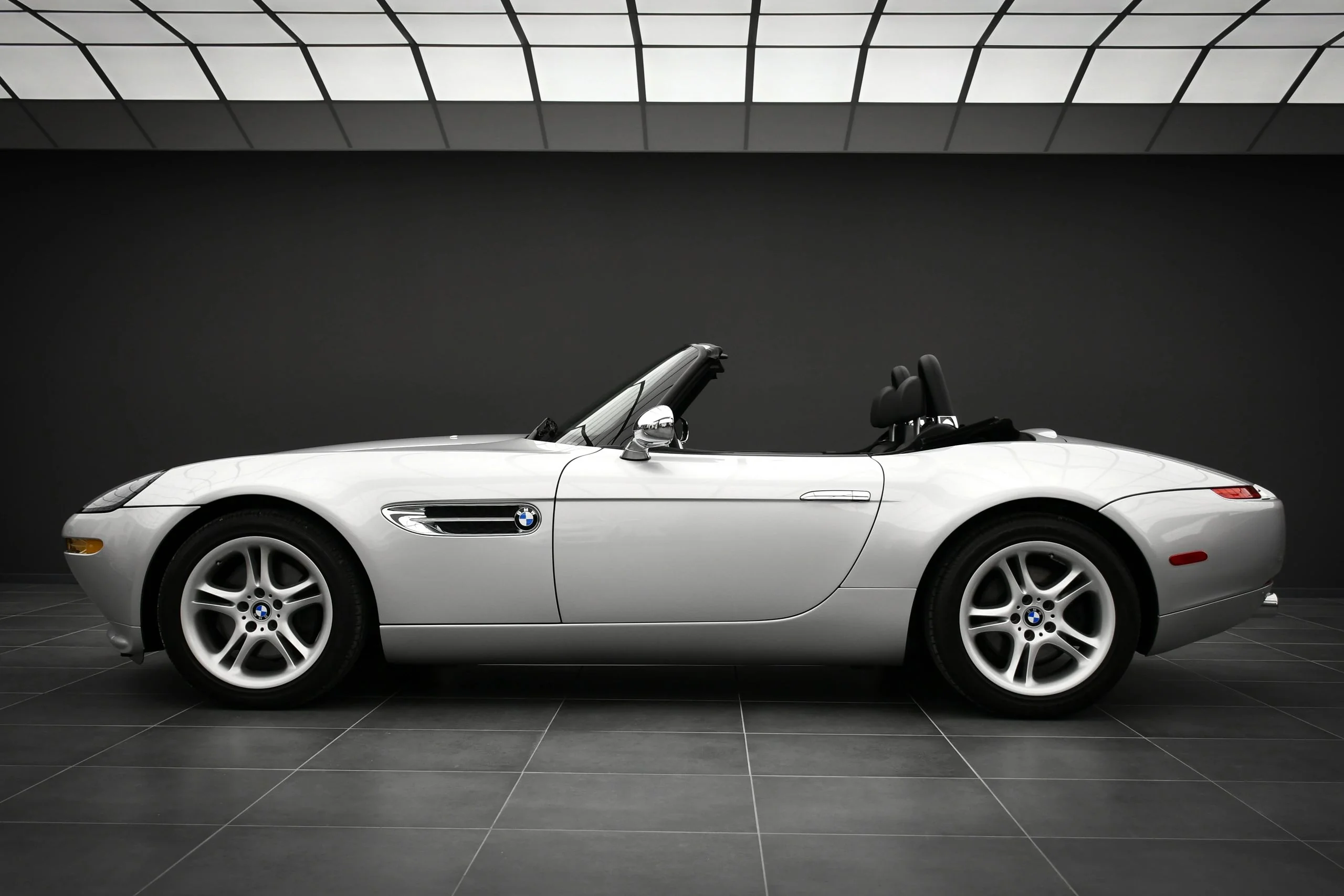
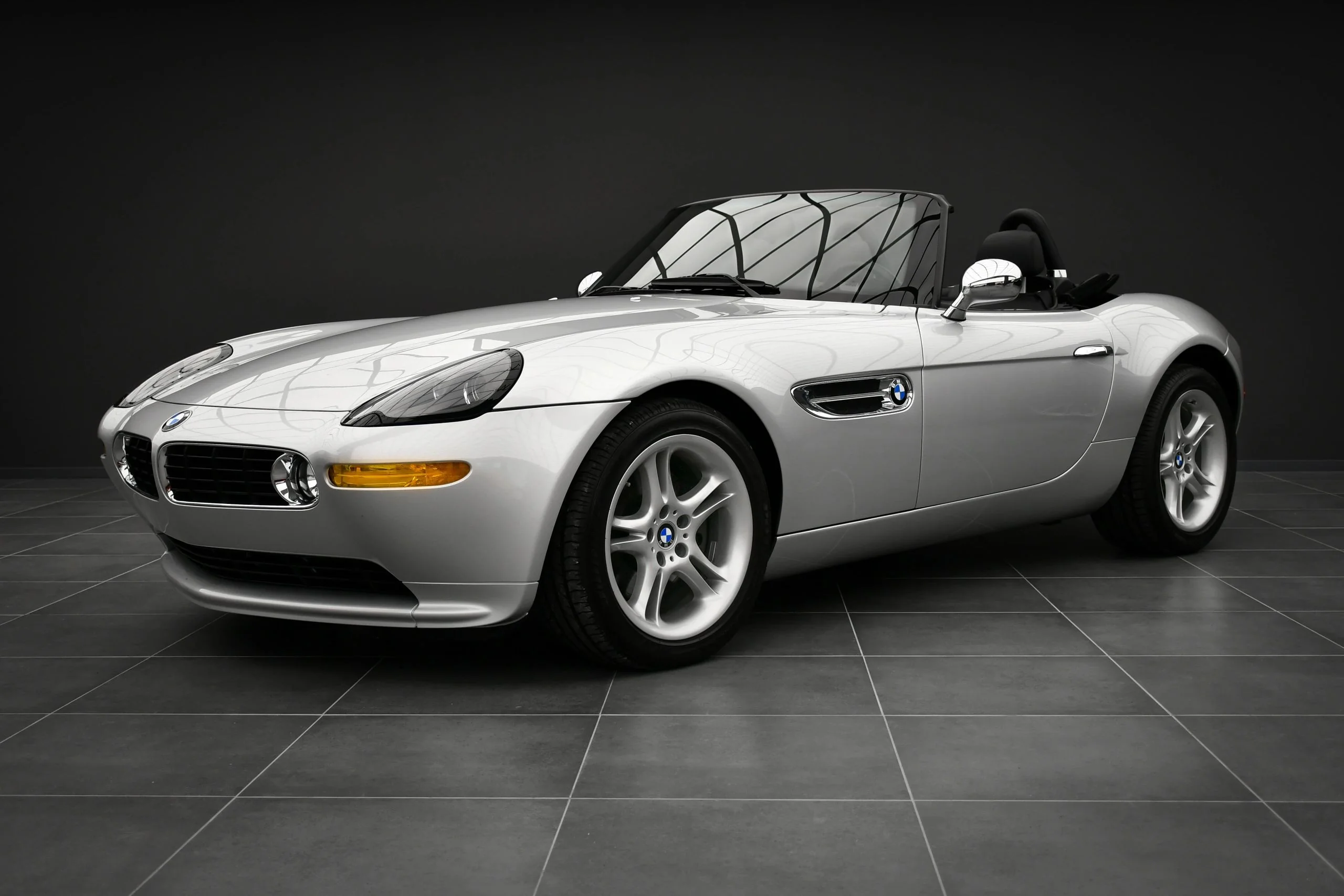
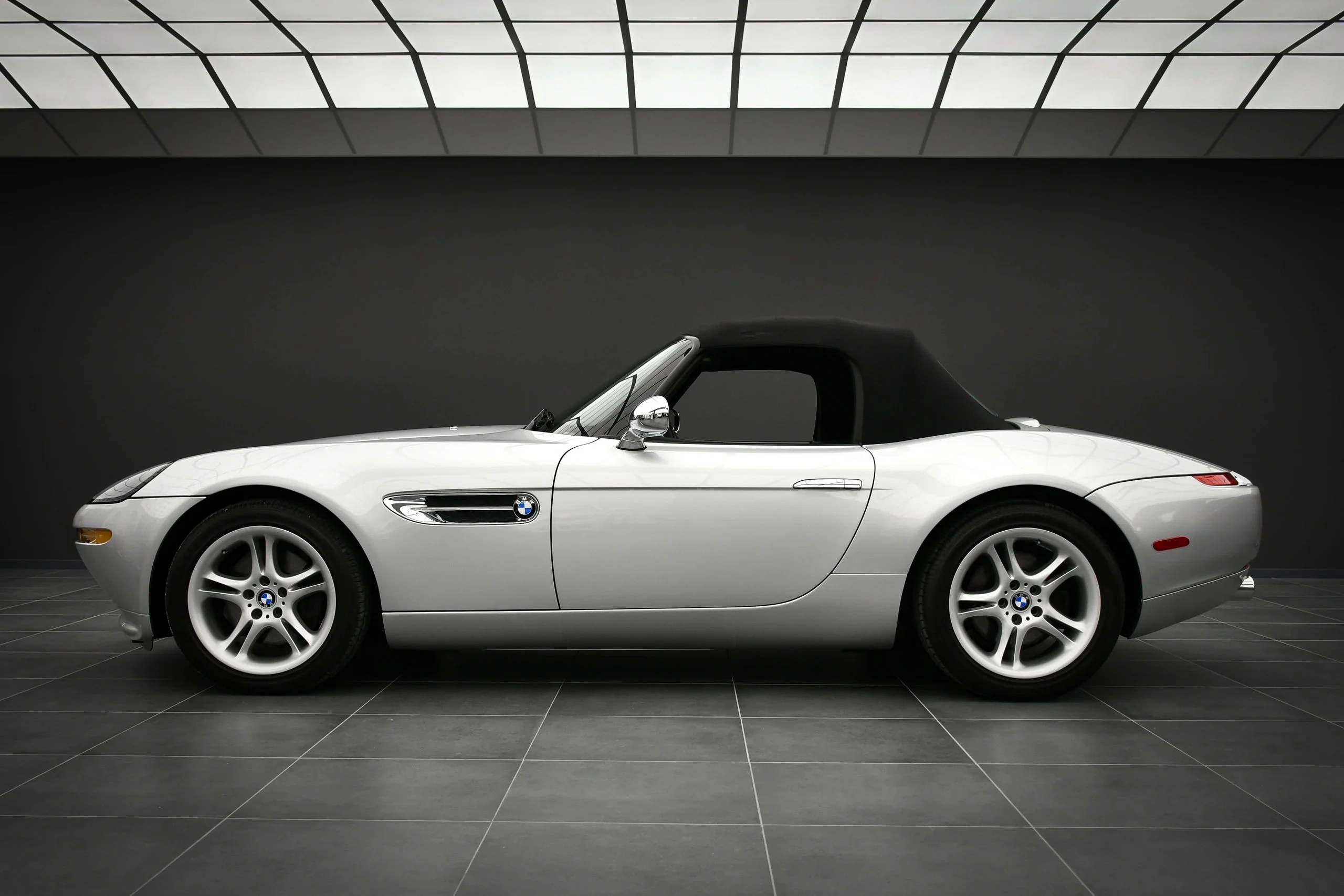
The BMW Z8 appeared in The World Is Not Enough (1999) as Pierce Brosnan's car in the Azerbaijan sequence, fitted with surface-to-air missiles and destroyed on screen by a helicopter carrying cutting saws. It was the last BMW in the James Bond series, because the marketing agreement between BMW and Eon Productions ran out with that film. The cars used for filming were not production Z8s at all, and the road car behind them — a hand-assembled aluminium roadster built in Munich in a run of 5,703 units — has since become one of the most valuable modern BMWs on the collector market.
BMW Z8 Horsepower, 0–60 mph and Top Speed
The Z8 used the S62 engine taken from the E39 M5: a 4,941 cc 32-valve V8 assembled by BMW Motorsport and mounted behind the front axle to help produce a 50/50 weight distribution. Output was 400 PS (395 hp / 294 kW) at 6,600 rpm and 500 N·m (369 lb-ft) at 3,800 rpm, with no forced induction. The only transmission offered was a six-speed manual driving the rear wheels.
BMW quoted 0–100 km/h in 4.7 seconds and described the 0–60 mph time as under five seconds. Period instrumented testing came in faster: Motor Trend recorded 4.2 seconds to 60 mph. Top speed was electronically limited to 250 km/h (155 mph); the delimited figure is documented only as an estimate of roughly 290 km/h (180 mph), not as a measured result.
| Specification | BMW Z8 (E52) |
|---|---|
| Engine | S62 V8, 4,941 cc, 32 valves, naturally aspirated |
| Power | 400 PS / 395 hp (294 kW) at 6,600 rpm |
| Torque | 500 N·m (369 lb-ft) at 3,800 rpm |
| 0–60 mph | 4.2 s measured; factory 0–100 km/h 4.7 s |
| Top speed | 250 km/h (155 mph) limited; ~290 km/h (180 mph) estimated delimited |
| Transmission | 6-speed manual, rear-wheel drive |
| Kerb weight | 1,585 kg (3,494 lb), 50/50 distribution |
| Structure | MIG-welded aluminium space frame with aluminium outer skin |
| Production | 5,703 units, 1999–2003 |
| Price new | US$128,000 (US MSRP listed at $130,745 for 2001 cars) |
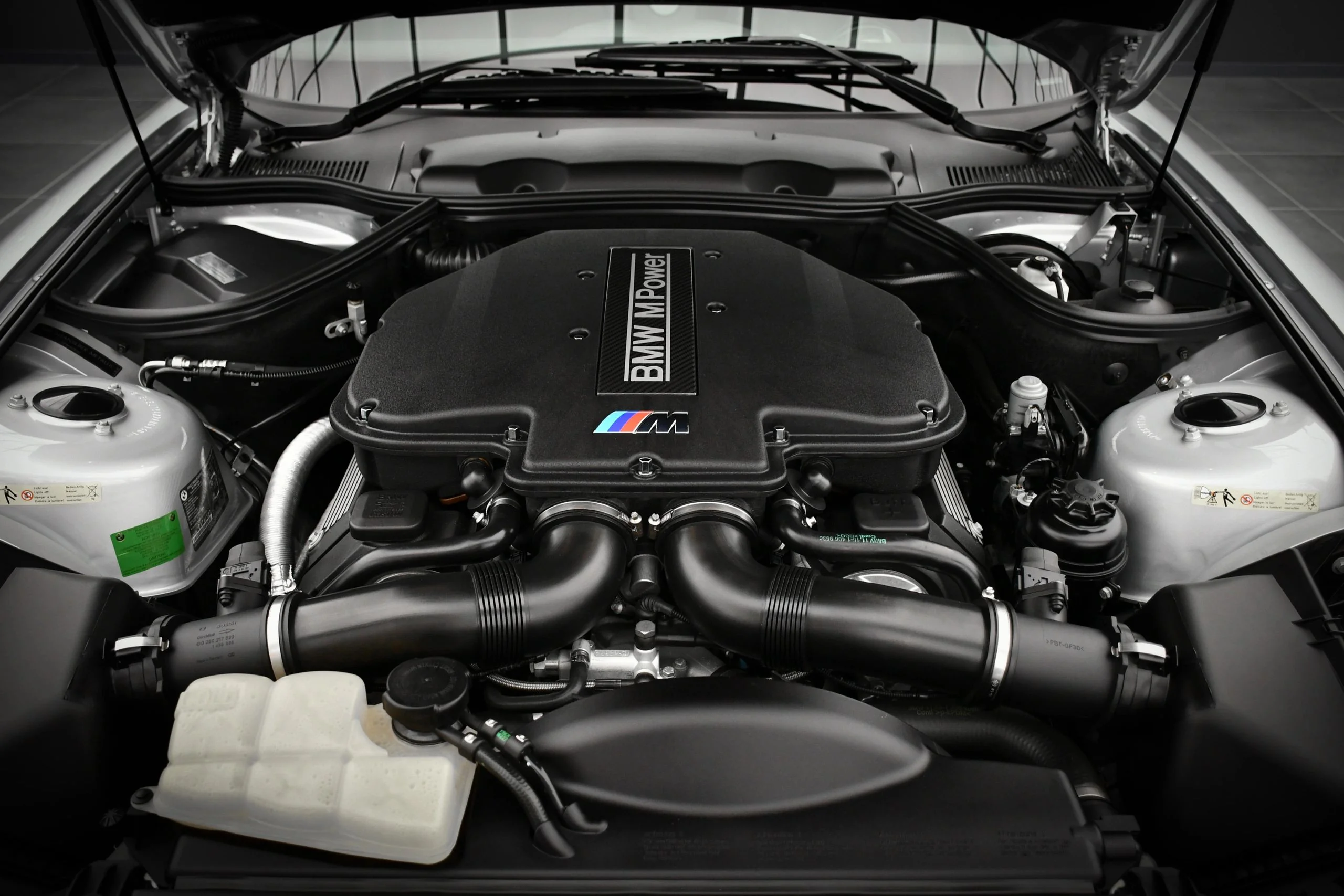
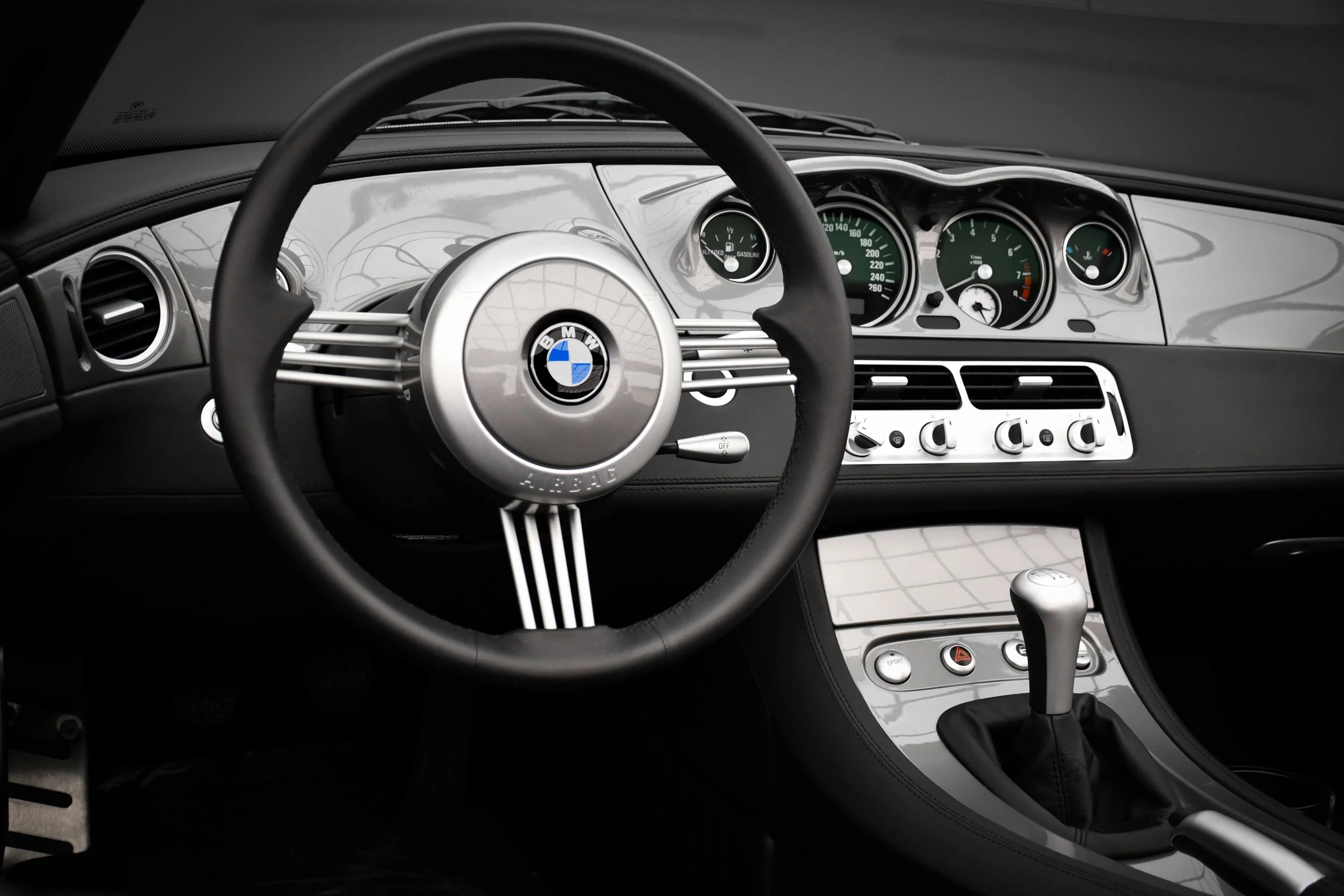
How the Z8 Was Built: Aluminium Space Frame, Dingolfing and Munich
The Z8 was not a conventional series product. Its structure is a MIG-welded aluminium space frame with load-bearing panels and a largely aluminium outer skin. The space frames were produced at Dingolfing, while final assembly took place in Munich. The construction method is the reason the car carries a kerb weight of 1,585 kg despite a large-capacity V8 and a full steel-free body.
The exterior was designed by Henrik Fisker in the mid-1990s under the internal code E52, with the interior by Scott Lempert; Chris Bangle led the design team during the 1993–1995 concept phase. The reference point was the 1956 BMW 507, and the visual quotation is direct: long bonnet, low grille kidneys, side gills behind the front wheels and a short rear deck. Inside, the instrument cluster was moved to the centre of the dashboard, an unusual layout that BMW has not repeated on a road car since.
The World Is Not Enough: What the Z8 Actually Did on Screen
Bond's Z8 appears in Azerbaijan carrying surface-to-air missiles fired mostly through the steering wheel, which doubled as a targeting display, and the car could be summoned remotely from its keychain. The fictional specification recorded for the film also includes titanium plating and armour, infra-red tracking, a high-sensitivity listening device and the registration V354 FMP. The missiles mounted behind the side air intakes were Estes Bull Pup model rockets. Screen time is short: the car is cut in half by a helicopter fitted with large rotating saws.
The filming schedule explains why the cars were not production vehicles. Scenes were shot in early April 1999 and the film was released that November, at a point when BMW had only a prototype shell and a running test car. BMW supplied the prototype shell and the design data to Propshop at Pinewood Studios, which moulded replica bodywork from that shell in two pieces and built kit cars in eight weeks. Two kit cars and one shell were produced in total, and the shell was destroyed during filming.
The surviving car is owned by Eon Productions and has been exhibited in the Bond in Motion collection, first at the National Motor Museum in Beaulieu until 2014 and subsequently at the London Film Museum. One non-roadworthy kit car was offered in Christie's 50 Years of James Bond – The Auction, held online from 28 September to 8 October 2012.
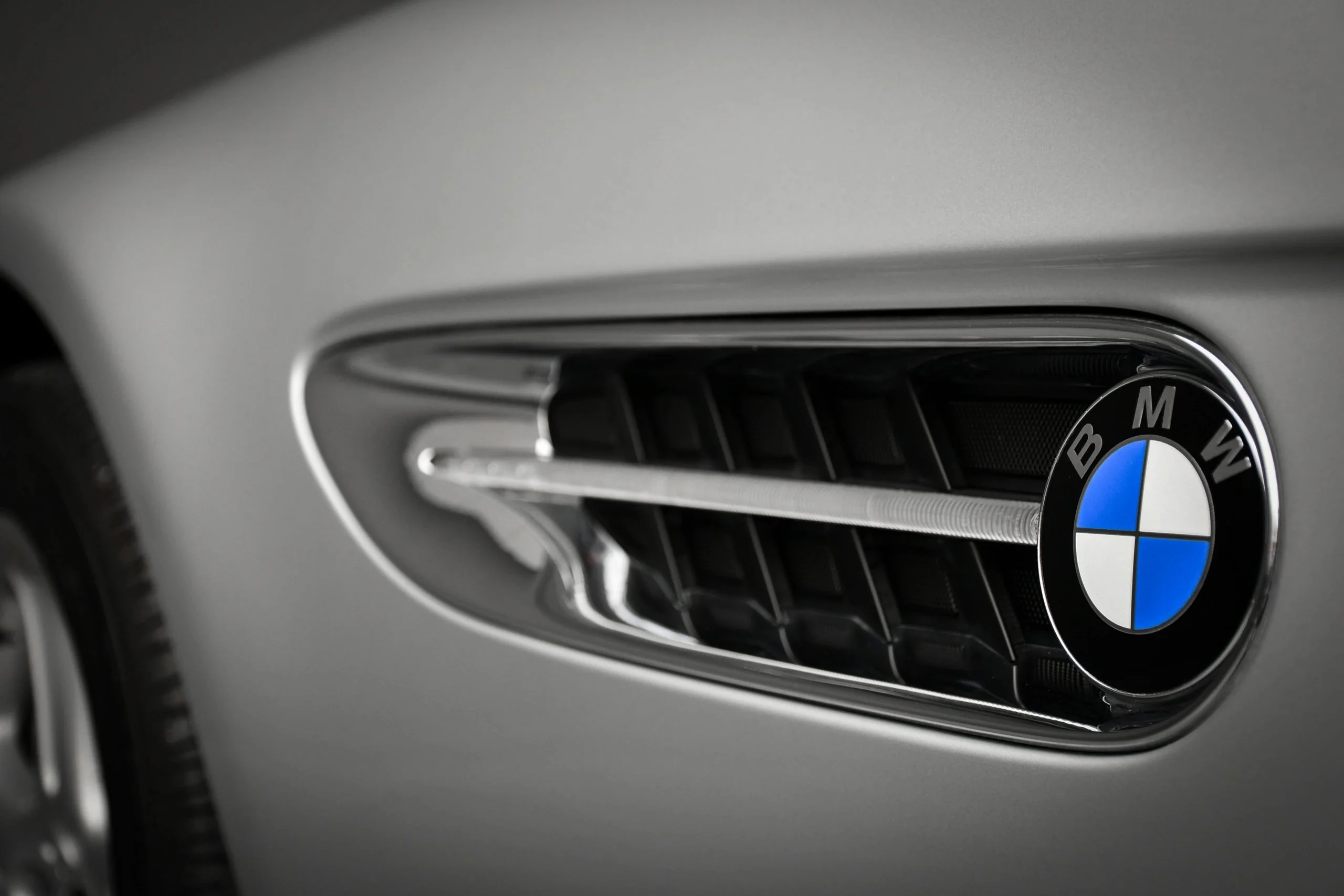
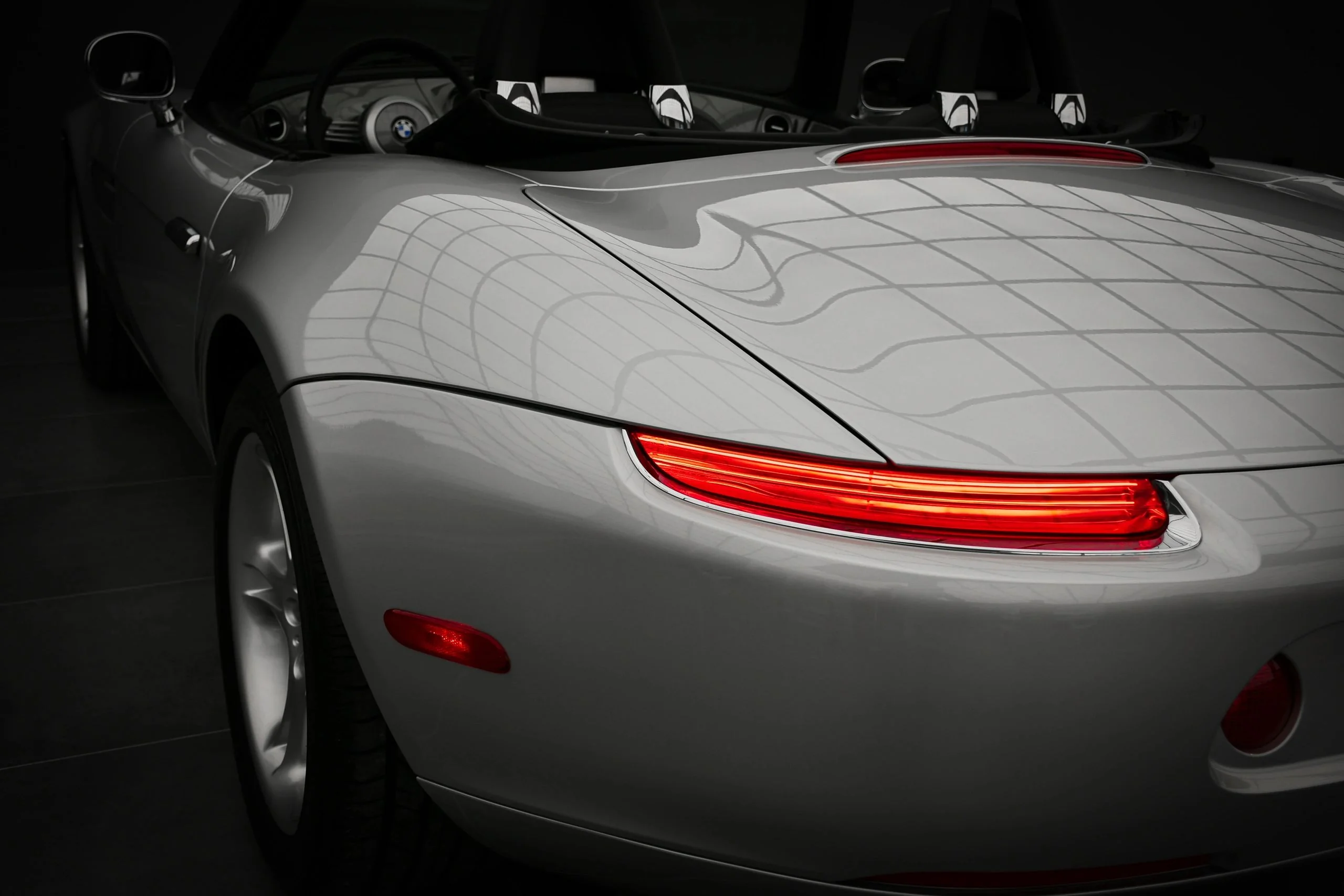
Was the Bond Z8 a Real BMW Z8?
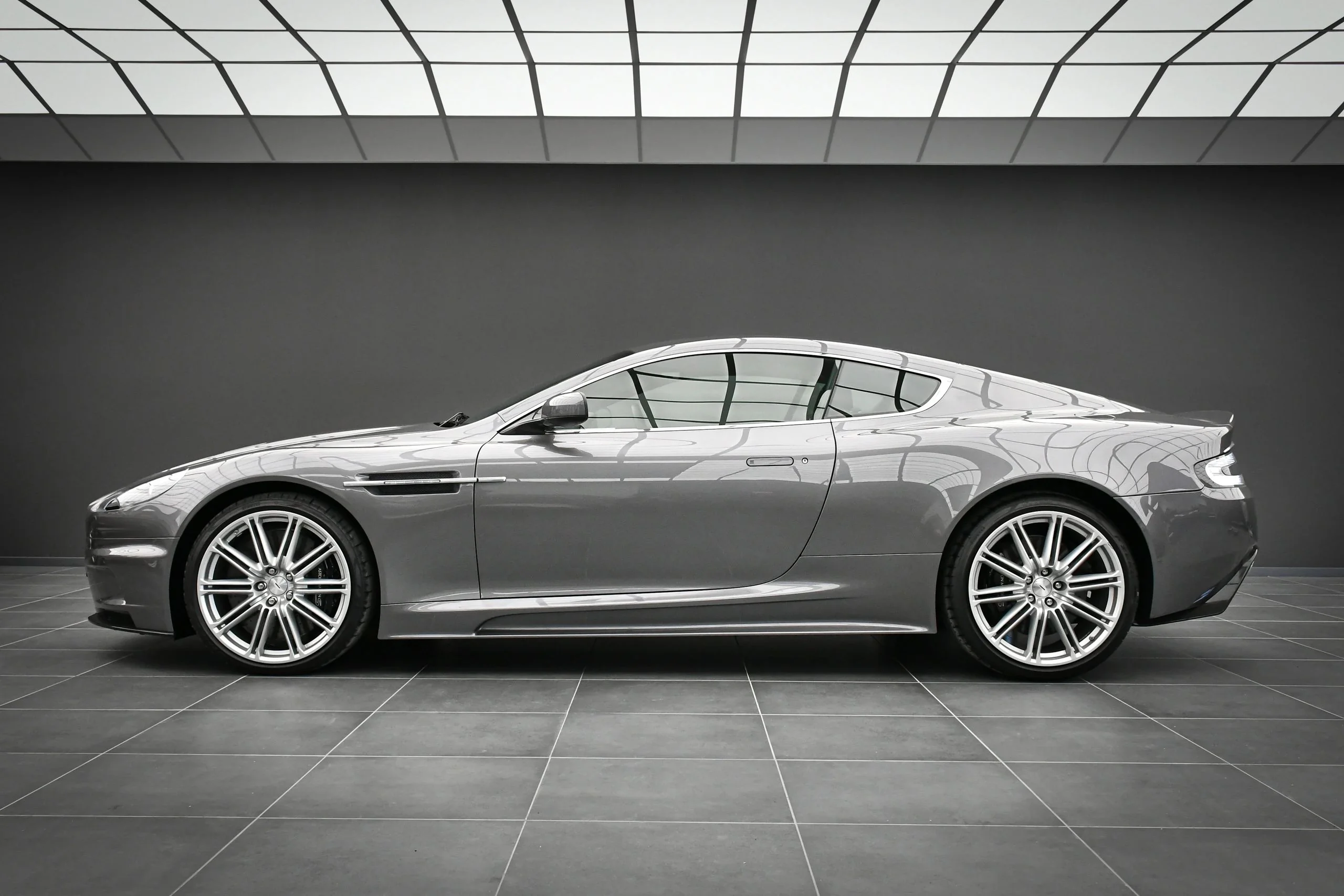
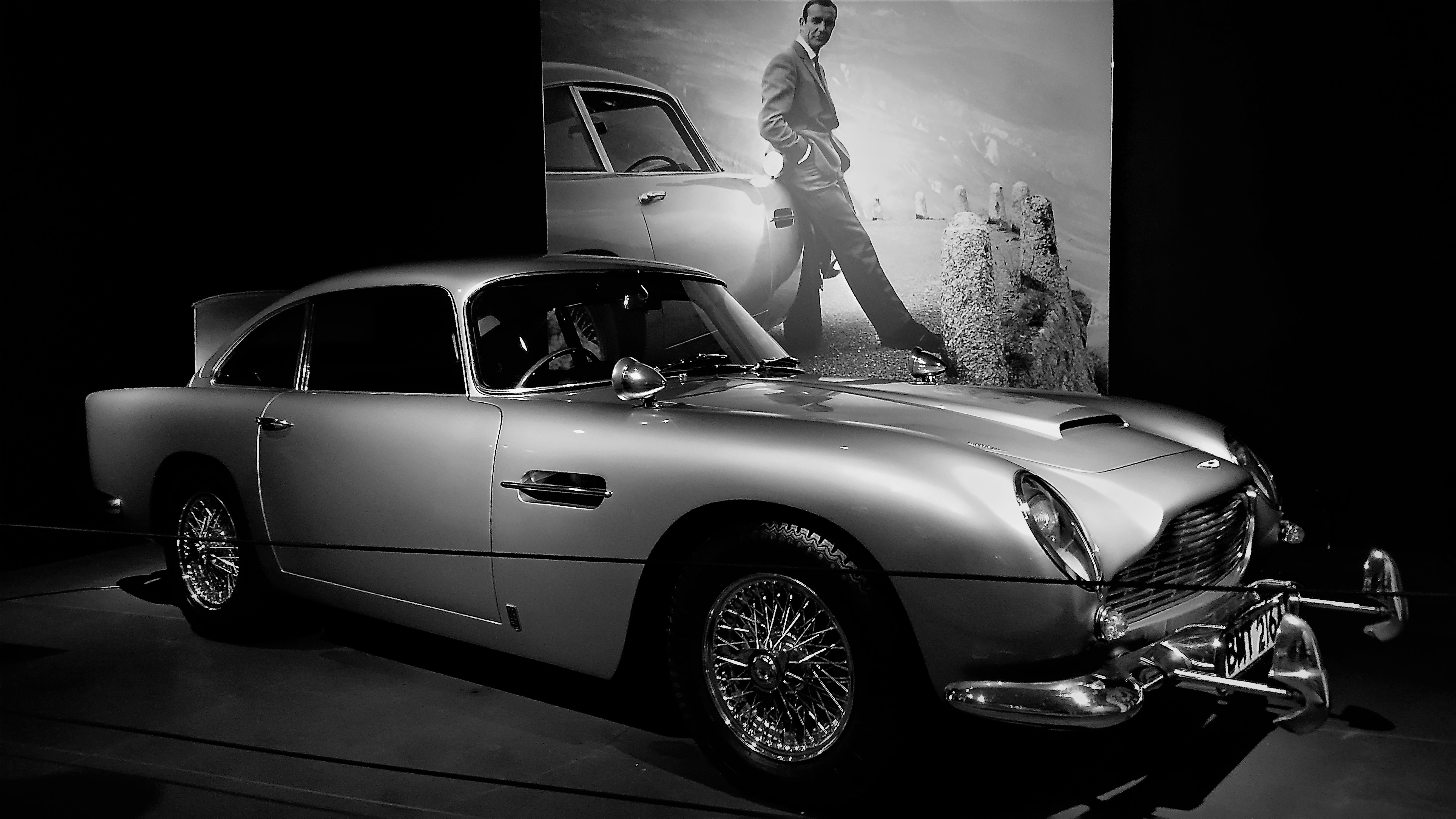
No. The documented account is that the cars on screen were replica kit cars built by Propshop from moulds taken off BMW's prototype shell, plus the shell itself. This is a common arrangement when a car is used in a film before its own launch, and it is the same pattern later seen with the Aston Martin DBS in Casino Royale, where pre-production and converted development cars stood in for a model not yet on sale. It also means no production Z8 was destroyed for the helicopter sequence.
Z8 Production Numbers and the Alpina Roadster V8
BMW built 5,703 cars across the 1999–2003 period, covering model years 2000 to 2003. Of those, 3,160 went to world markets and 2,543 to North America. Standard Z8 production ended in 2002.
For 2003 the model was replaced by the BMW Alpina Roadster V8, of which 555 were produced — 450 for the United States and eight for the United Kingdom. The Alpina used a 4.8-litre M62-derived V8 with 375 hp (280 kW) and 520 N·m (384 lb-ft), a five-speed Steptronic automatic instead of the manual, softer suspension, 20-inch Alpina wheels and a 260 km/h (160 mph) limiter. It is a different car in character: a long-distance roadster rather than an M-engined one.
| Variant | BMW Z8 | Alpina Roadster V8 |
|---|---|---|
| Engine | 4,941 cc S62 V8 | 4.8-litre M62-derived V8 |
| Power | 400 PS / 395 hp | 375 hp (280 kW) |
| Torque | 500 N·m (369 lb-ft) | 520 N·m (384 lb-ft) |
| Transmission | 6-speed manual | 5-speed Steptronic automatic |
| Top speed | 250 km/h (155 mph) limited | 260 km/h (160 mph) limited |
| Units built | 5,703 (1999–2003) | 555 (2003) |
How Much Is a BMW Z8 Worth in 2026?
The Z8 has moved well above its original list price. Most cars trade in a band of roughly $150,000 to $250,000, with high-mileage examples in the low $100,000s and cars with celebrity ownership above $300,000. The Alpina sits in a comparable range.
Recent public results show the top of the market clearly. A 2001 Z8 with 359 miles sold for $393,500 on Bring a Trailer on 21 July 2026. A 2002 car with around 7,000 miles made $251,000 on 17 April 2026, and a 10,000-mile 2003 Alpina Roadster V8 sold for $280,000 on 30 June 2026. Mileage, colour combination and originality of the hardtop and tool kit are the main variables.
| Car | Result | Date |
|---|---|---|
| 2001 Z8, 359 miles, 6-speed manual | $393,500 | 21 July 2026, Bring a Trailer |
| 2003 Alpina Roadster V8, 10k miles | $280,000 | 30 June 2026, Bring a Trailer |
| 2002 Z8, 7k miles, 6-speed manual | $251,000 | 17 April 2026, Bring a Trailer |
Z8 Buying Points
Three items dominate inspection. The aluminium body cannot be repaired by conventional steel bodyshop methods, so previous accident damage and the quality of any panel work matter more than on a comparable steel car. The S62 engine shares its known maintenance items with the E39 M5, including the VANOS system and the rod-bearing question that applies across that engine family. Finally, completeness counts: the hardtop, its dedicated stand, the original tool kit and documented service history all move the price within the band above.
Because the Z8 was manual-only, there is no transmission premium to consider — unlike the Aston Martin DBS from Casino Royale, where the gearbox choice is the single largest value variable. The full Z8 gallery is in the Batman Garage Z8 collection page.
Frequently Asked Questions About the BMW Z8
What BMW did James Bond drive in The World Is Not Enough?
A BMW Z8 roadster, used in the Azerbaijan sequence and fitted with surface-to-air missiles fired through the steering wheel. It was the final BMW in the series, as the studio's three-year agreement with BMW expired with that film.
How much horsepower does the BMW Z8 have?
400 PS, equal to 395 hp or 294 kW, at 6,600 rpm, from a naturally aspirated 4,941 cc S62 V8. Peak torque is 500 N·m (369 lb-ft) at 3,800 rpm.
What is the BMW Z8 0–60 mph time?
Motor Trend measured 4.2 seconds. BMW's own claim was 0–100 km/h in 4.7 seconds, described as under five seconds to 60 mph. Top speed is limited to 155 mph.
Was the Z8 in the Bond film a real production car?
No. BMW had only a prototype shell and a running test car at the time of filming, so Propshop at Pinewood Studios built replica kit cars from moulds of that shell. Two kit cars and one shell were made, and the shell was destroyed on camera.
How many BMW Z8s were built?
5,703 cars between 1999 and 2003, of which 3,160 went to world markets and 2,543 to North America. A further 555 Alpina Roadster V8 cars were built in 2003.
Is the BMW Z8 manual only?
Yes. Every Z8 left the factory with a six-speed manual gearbox. The automatic option only arrived with the Alpina Roadster V8, which used a five-speed Steptronic.
How much does a BMW Z8 cost today?
Most examples sell between $150,000 and $250,000. A 359-mile 2001 car reached $393,500 on Bring a Trailer in July 2026, while a 7,000-mile 2002 car made $251,000 in April 2026.
Sources
- Wikipedia — BMW Z8
- BMW Group PressClub — BMW Z8 technical release
- MotorTrend — BMW Z8 history, changes and Alpina
- Bond Lifestyle — BMW Z8 in The World Is Not Enough
- Bring a Trailer — 2001 BMW Z8, $393,500
- Bring a Trailer — 2002 BMW Z8, $251,000
- Bring a Trailer — 2003 BMW Alpina Roadster V8, $280,000