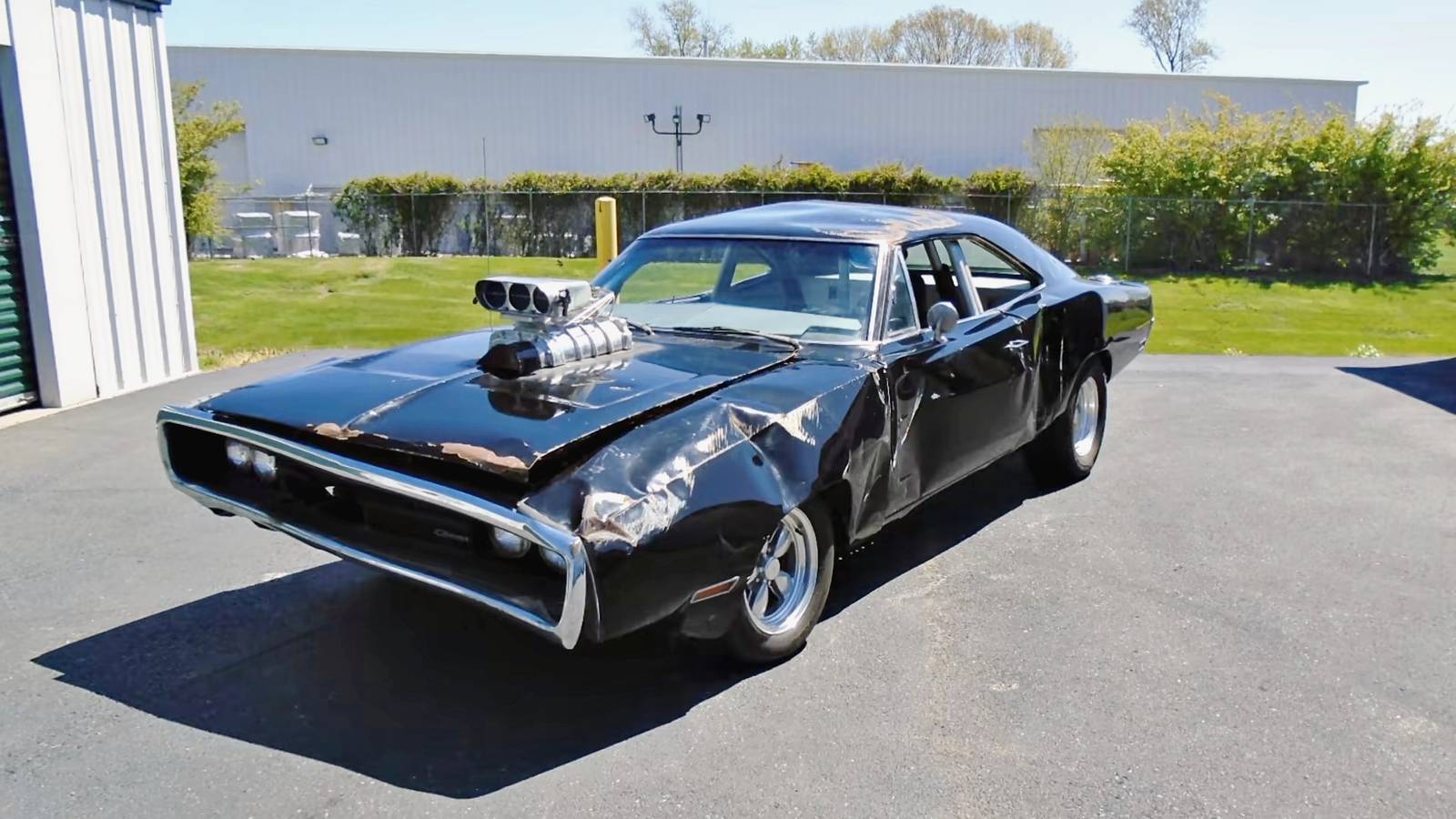
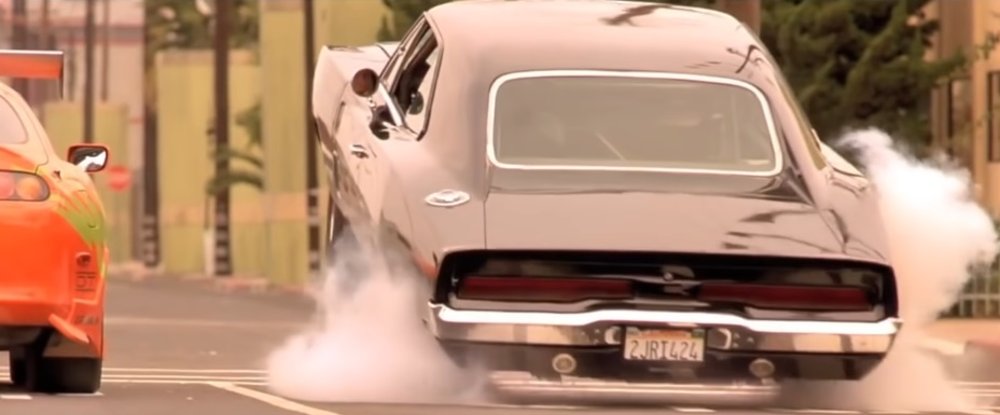
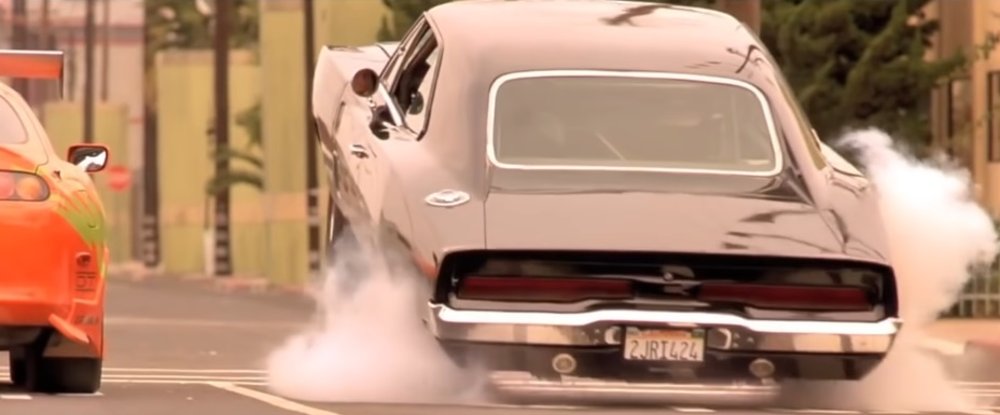
Dom Toretto’s 1970 Dodge Charger is a Fast & Furious movie car, not a stock production R/T. The gloss-black 2001 screen identity used several hero and stunt cars, a prop blower and conventional Mopar V8s. The film calls it a 900 hp, nine-second machine; that is story, not a factory specification.
WHAT CAR DOES DOM TORETTO DRIVE?
A black 1970 Dodge Charger R/T — the car he built with his father, seen in almost every Fast & Furious film. Across the series he has driven around 20 cars, nearly all American muscle, with Mopar at the centre.
Every Dom Toretto Car, Film by Film
The table lists Dom’s main cars in each film of the main series. Most films used several copies of each car for close-ups, stunts and jumps, so one name on screen usually means a small fleet behind the camera. The Toyota Supra belongs to Brian O’Conner, not Dom.
| Film | Dom Toretto’s main cars |
|---|---|
| The Fast and the Furious (2001) | 1970 Dodge Charger R/T (black, blower); 1993 Mazda RX-7 (red); 1970 Chevrolet Chevelle SS (closing scene) |
| The Fast and the Furious: Tokyo Drift (2006) | 1970 Plymouth Road Runner (cameo) |
| Fast & Furious (2009) | 1987 Buick GNX; 1970 Chevrolet Chevelle SS; 1970 Dodge Charger R/T |
| Fast Five (2011) | 1970 Dodge Charger R/T; 2010 Dodge Charger SRT8 (vault heist) |
| Fast & Furious 6 (2013) | 1969 Dodge Charger Daytona; 2009 Dodge Challenger SRT8 |
| Furious 7 (2015) | 1970 Dodge Charger R/T off-road build; W Motors Lykan HyperSport; 1968 Dodge Charger “Maximus” |
| The Fate of the Furious (2017) | 1968 Dodge “Ice Charger”; 1971 Plymouth GTX; 2018 Dodge Challenger SRT Demon |
| F9 (2021) | 1968 Dodge Charger with a mid-mounted engine; 1970 Dodge Charger “Tantrum” |
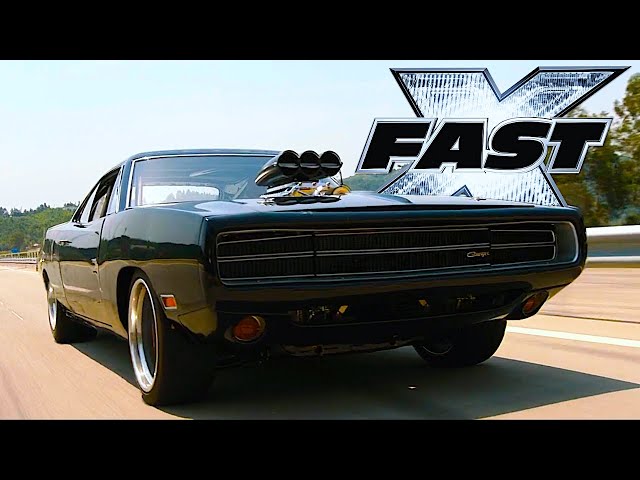
| Fast X (2023) | 1970 Dodge Charger R/T; Dodge Charger SRT Hellcat Redeye |
Dom Toretto’s Most Famous Cars
1970 Dodge Charger R/T — the signature car
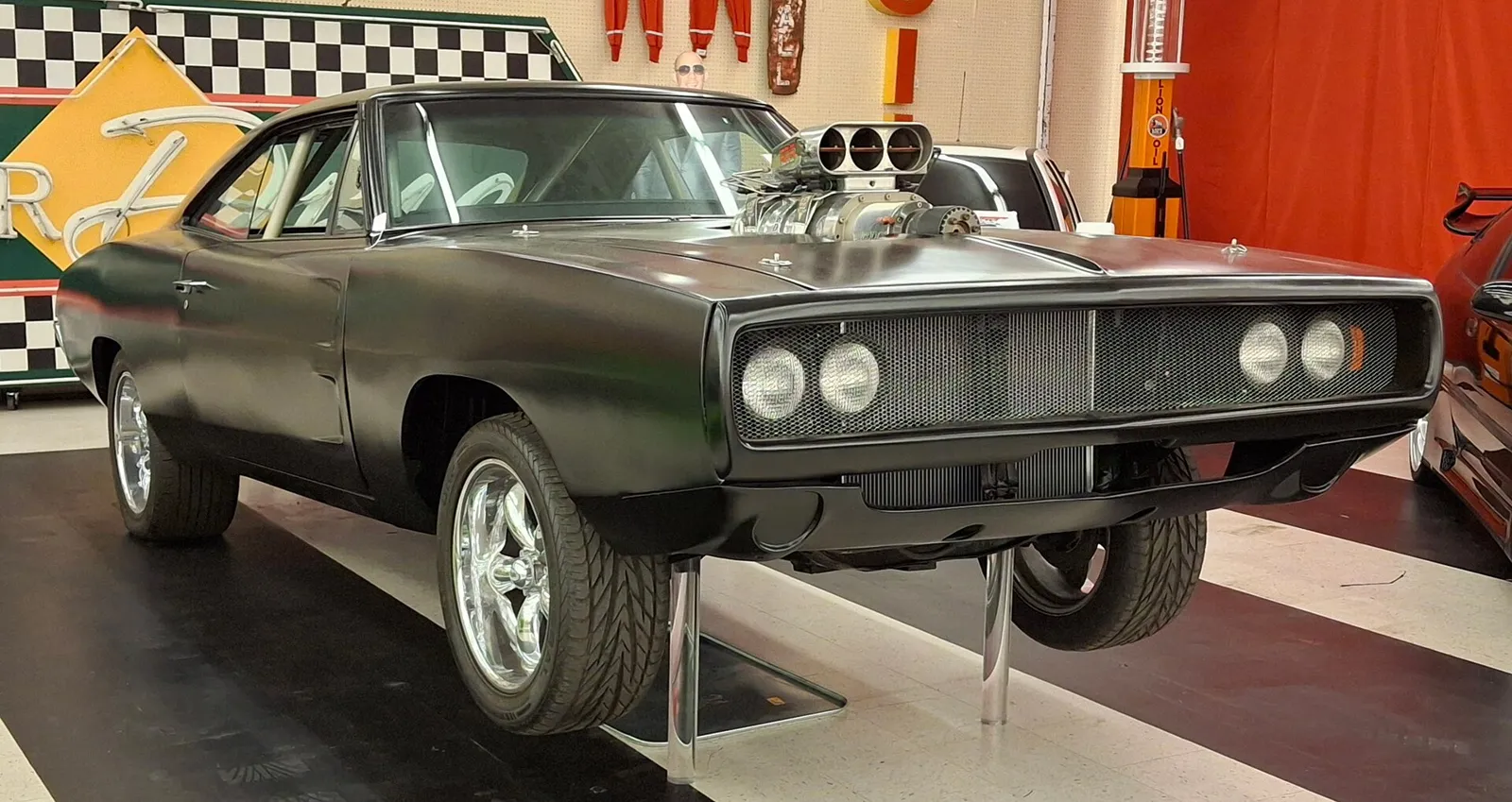
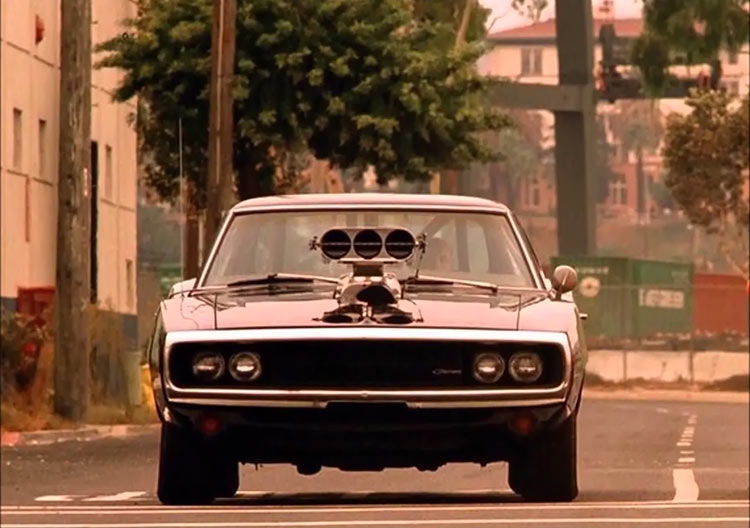
The black Charger with the exposed blower is Dom’s car in the series’ mythology: built with his father, feared by Dom himself in the first film, and rebuilt again and again — off-road for Furious 7, as the “Tantrum” in F9 and once more for Fast X. The full story of the 2001 car, the 900 hp claim and the stunt fleet is below.
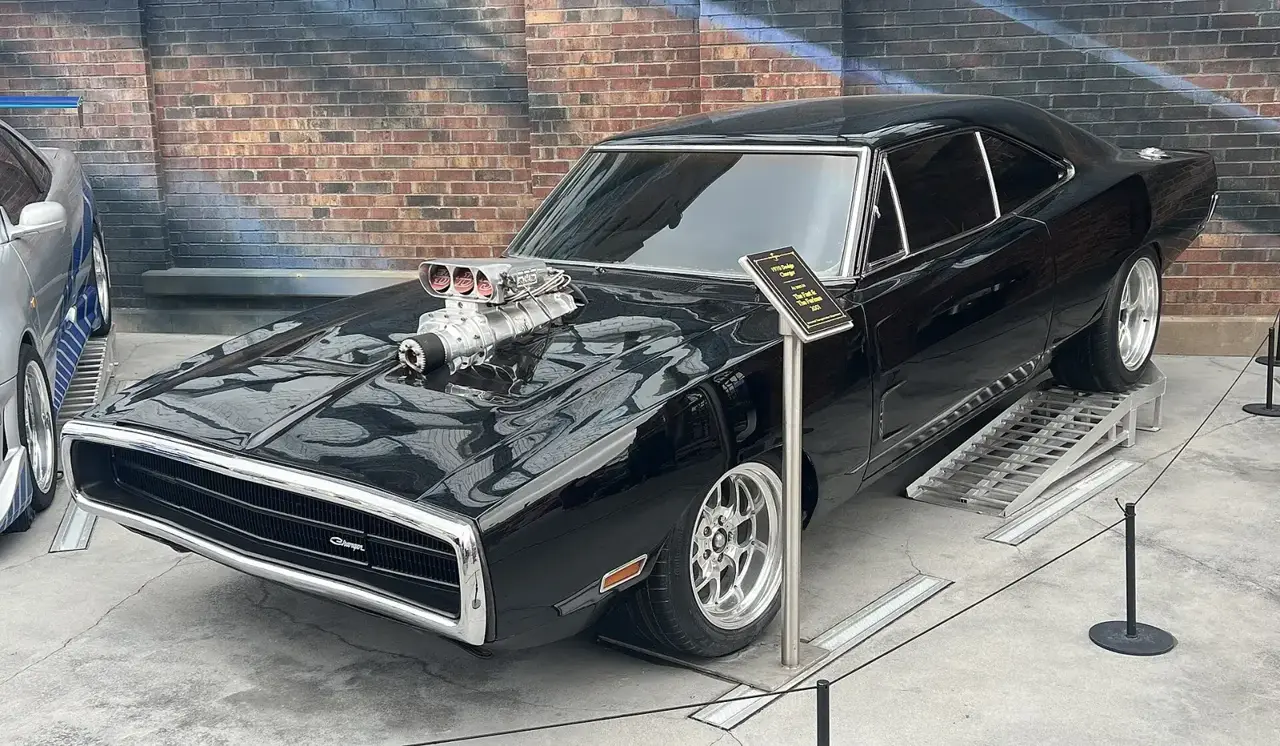
1993 Mazda RX-7 (FD)
Dom’s red RX-7 is the import he races at the start of The Fast and the Furious, before the Charger is revealed — a reminder that the first film was about the tuner scene as much as about muscle cars.
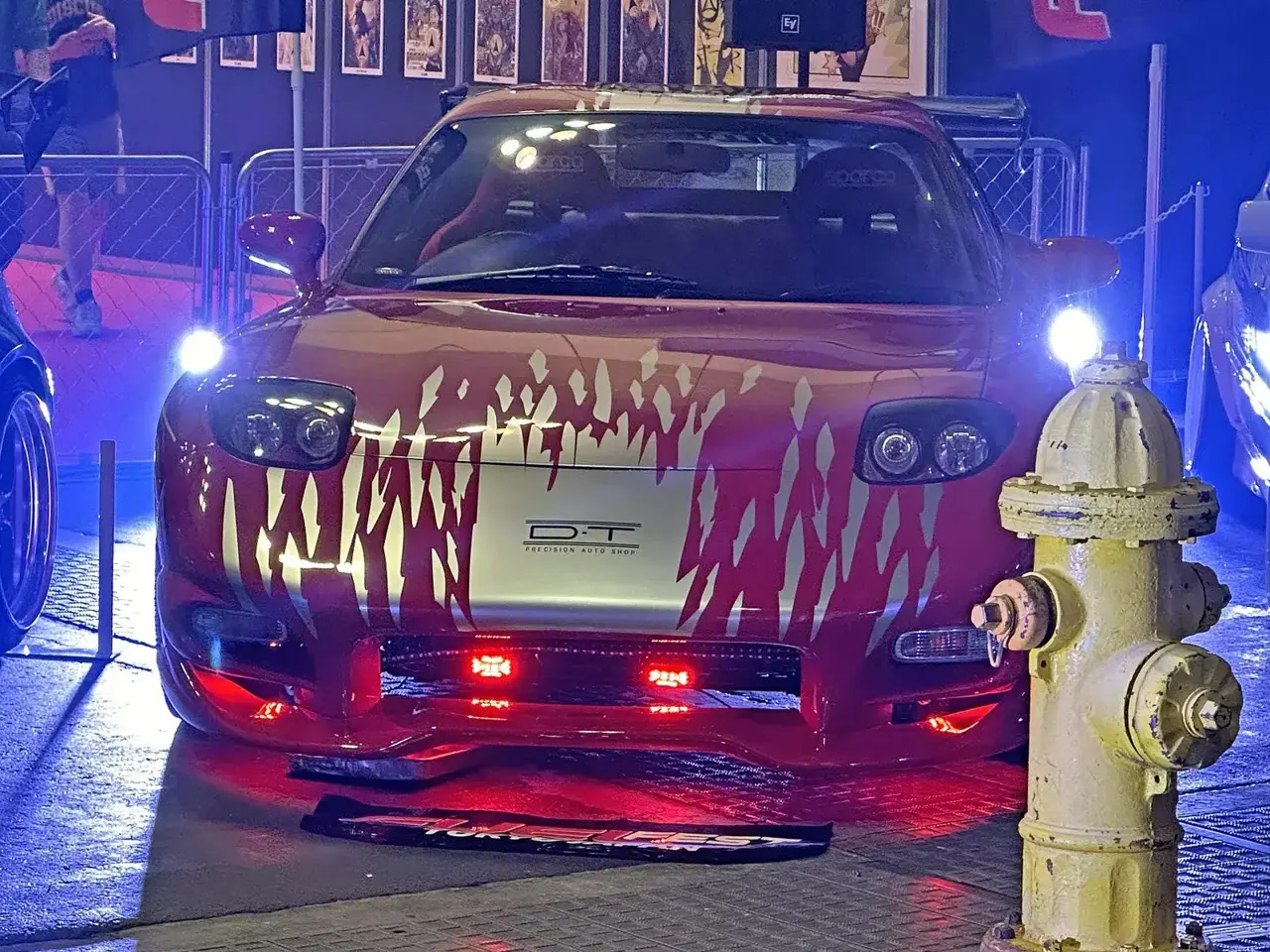
1970 Chevrolet Chevelle SS
The Chevelle closes the first film and returns in Fast & Furious (2009), when Dom comes back to Los Angeles in a primer-grey SS. It is the only Chevrolet among his signature cars.
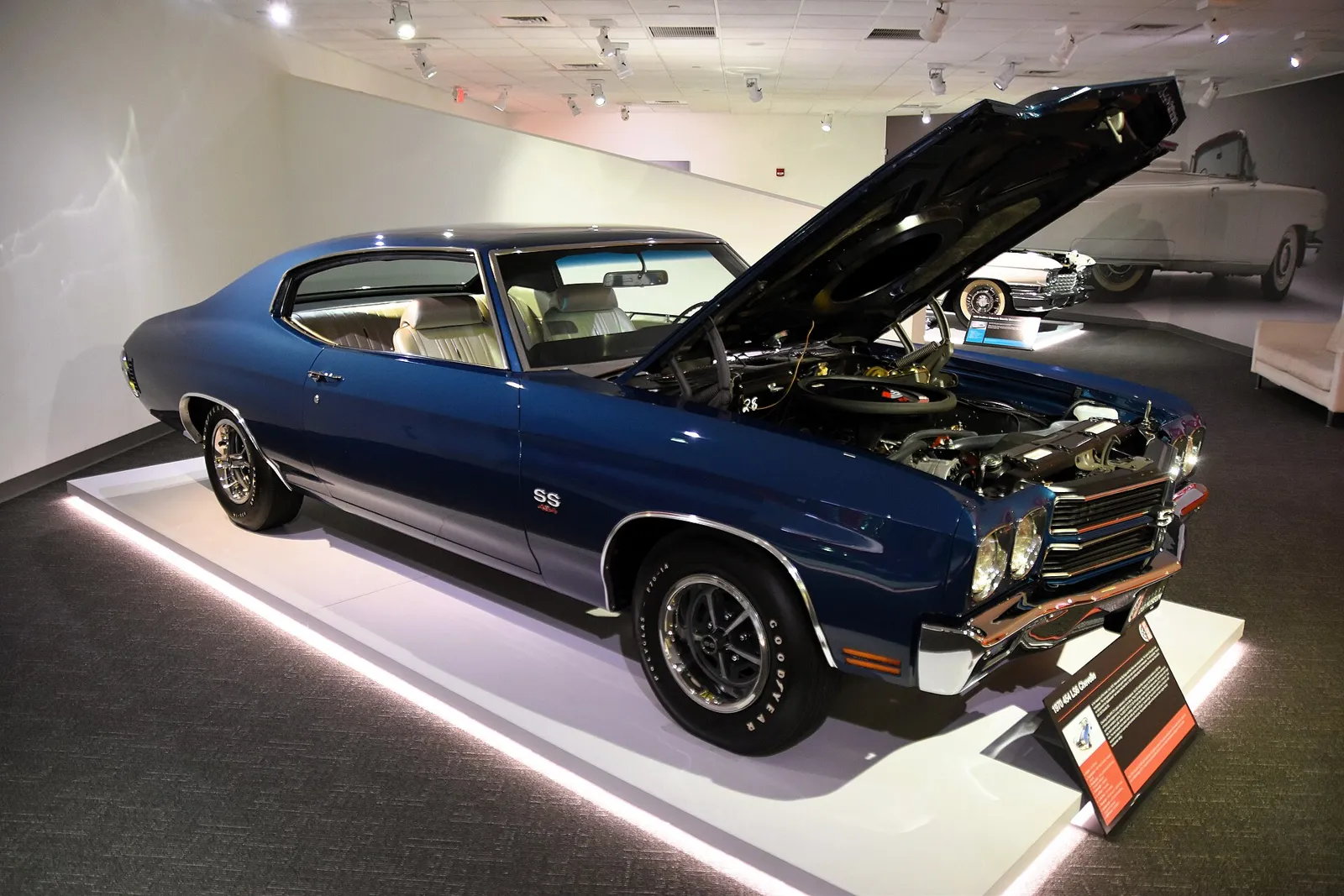
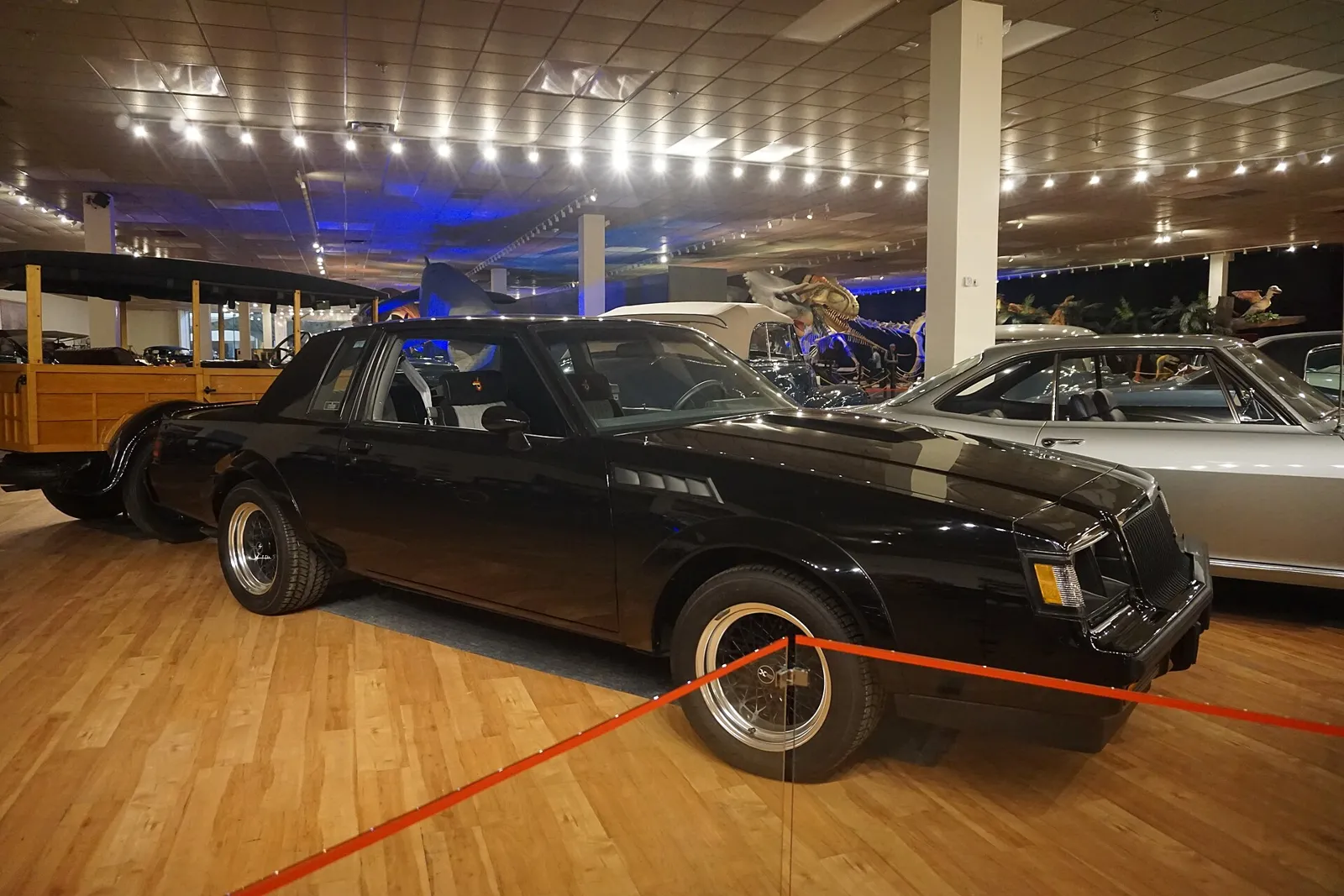
1987 Buick GNX
The turbocharged V6 Buick is Dom’s car for the fuel-tanker heist that opens the 2009 film. The real GNX was a limited run of 547 cars, which makes it one of the rarest cars he drives.
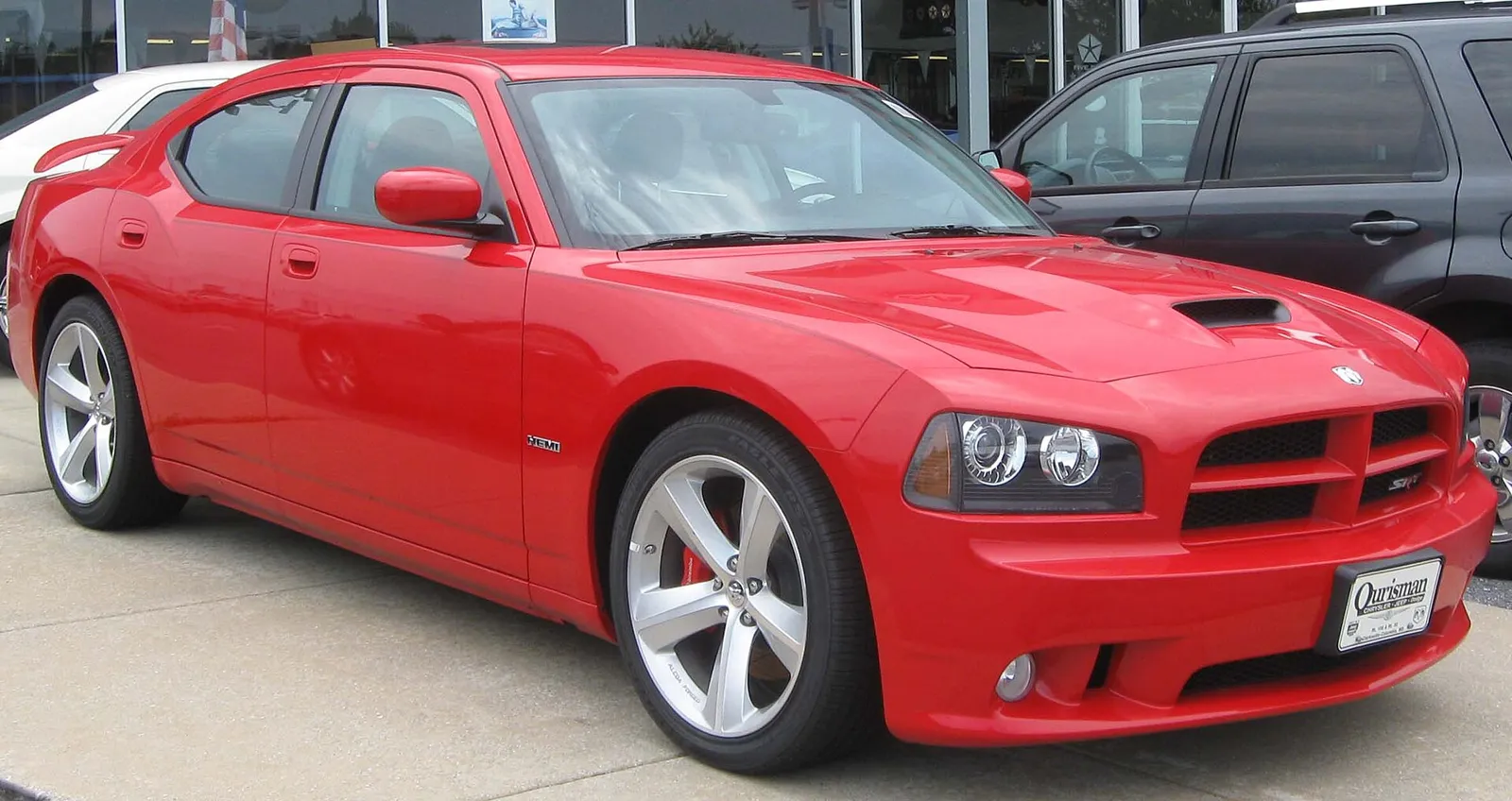
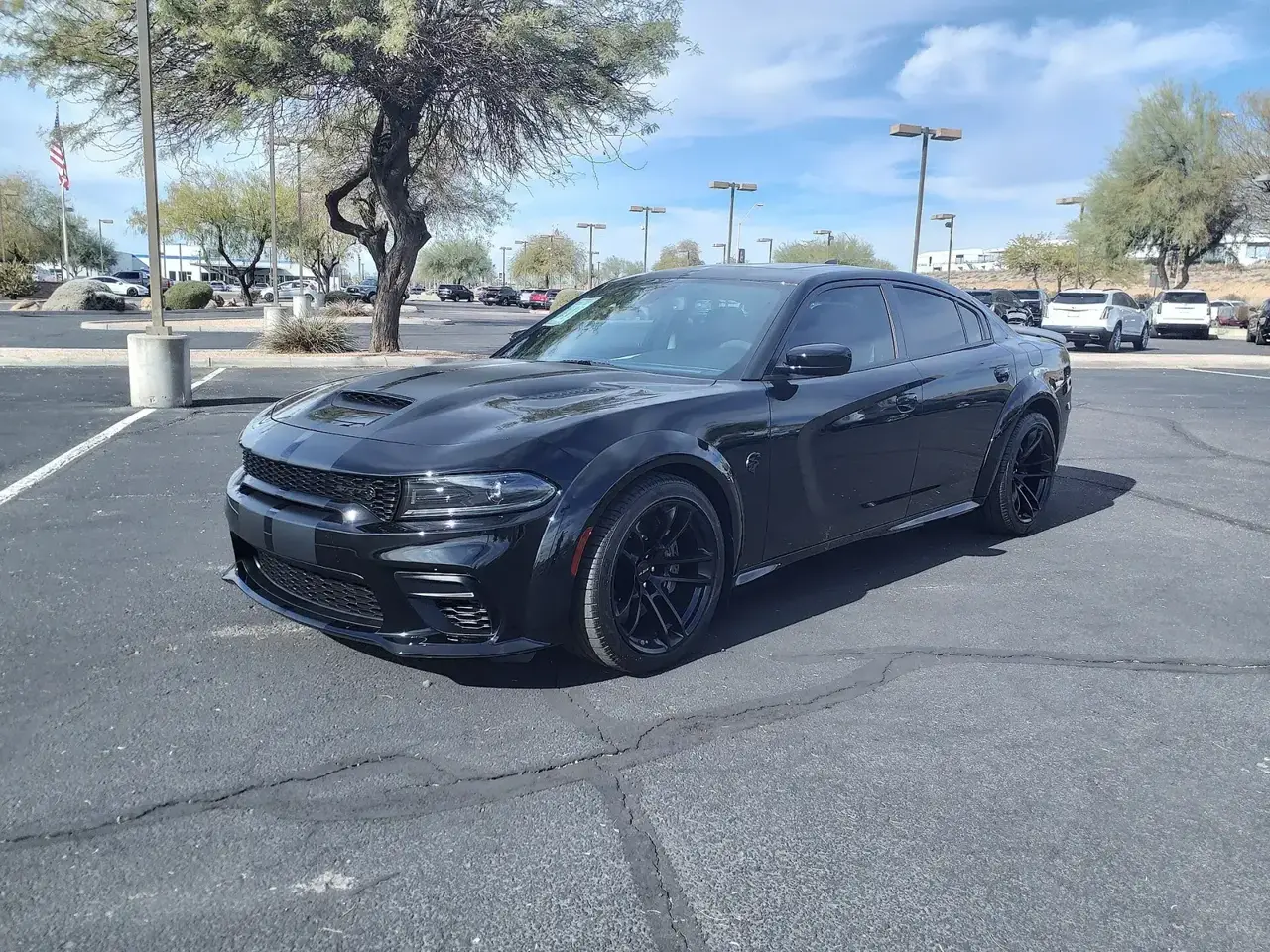
2010 Dodge Charger SRT8
In Fast Five, Dom and Brian drag a bank vault through Rio de Janeiro with a pair of modern Charger SRT8s — the first time Dom’s Charger loyalty extends to a current model.
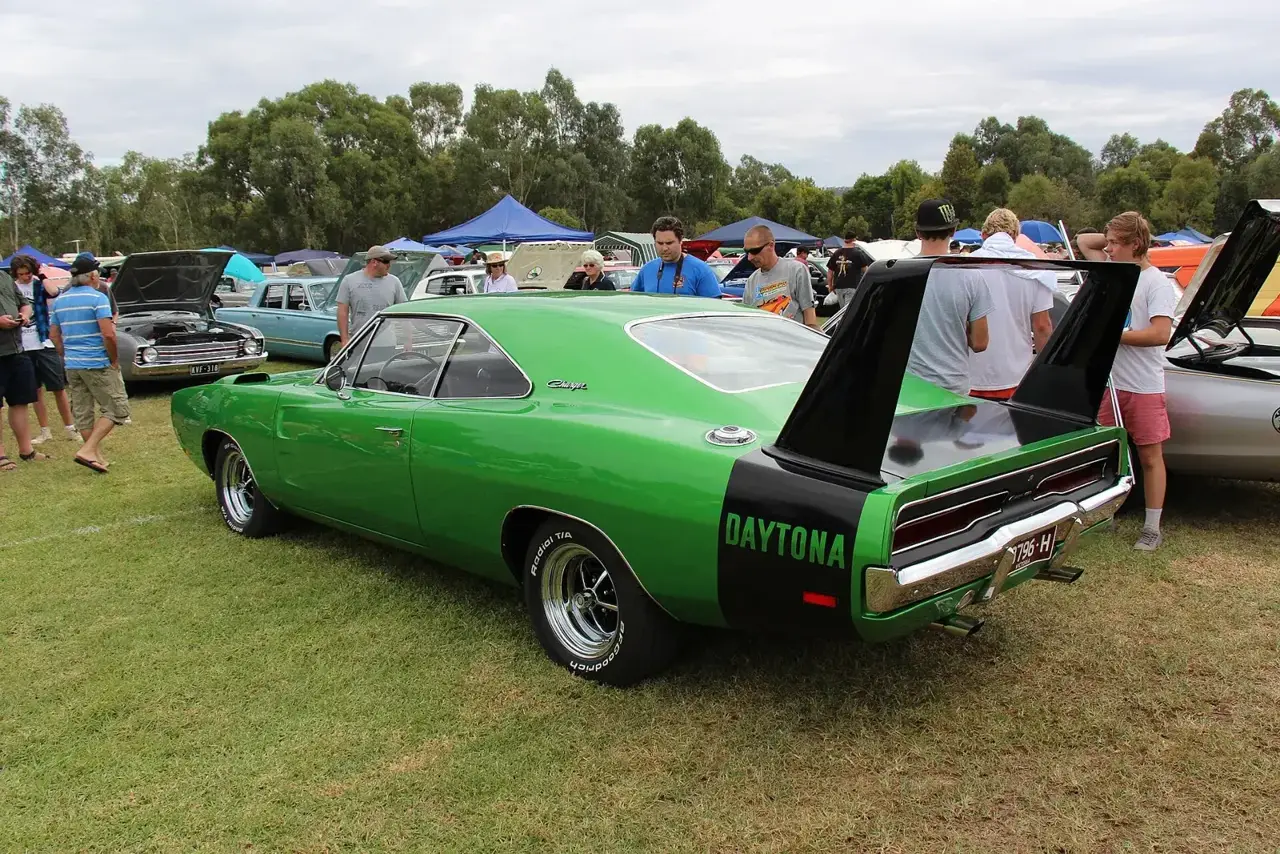
1969 Dodge Charger Daytona
The winged Daytona, built originally to win NASCAR races, is Dom’s car in Fast & Furious 6. Its nose cone and tall rear wing make it one of the most recognisable cars of the series.
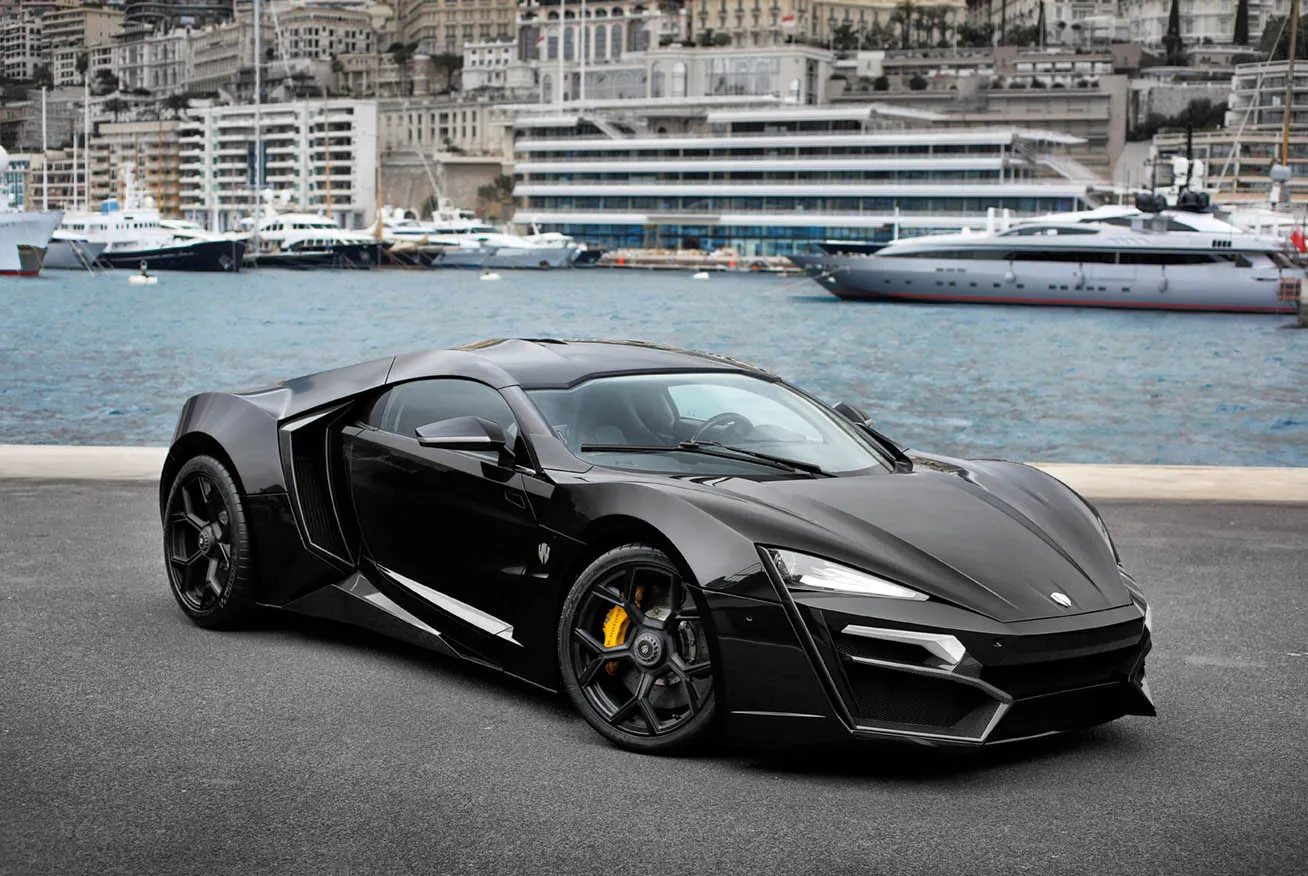
W Motors Lykan HyperSport
The Lebanese-built hypercar that Dom and Brian drive through three Abu Dhabi towers in Furious 7 is the series’ most expensive car on screen. Only seven road cars were planned, so the film used dedicated stunt copies.
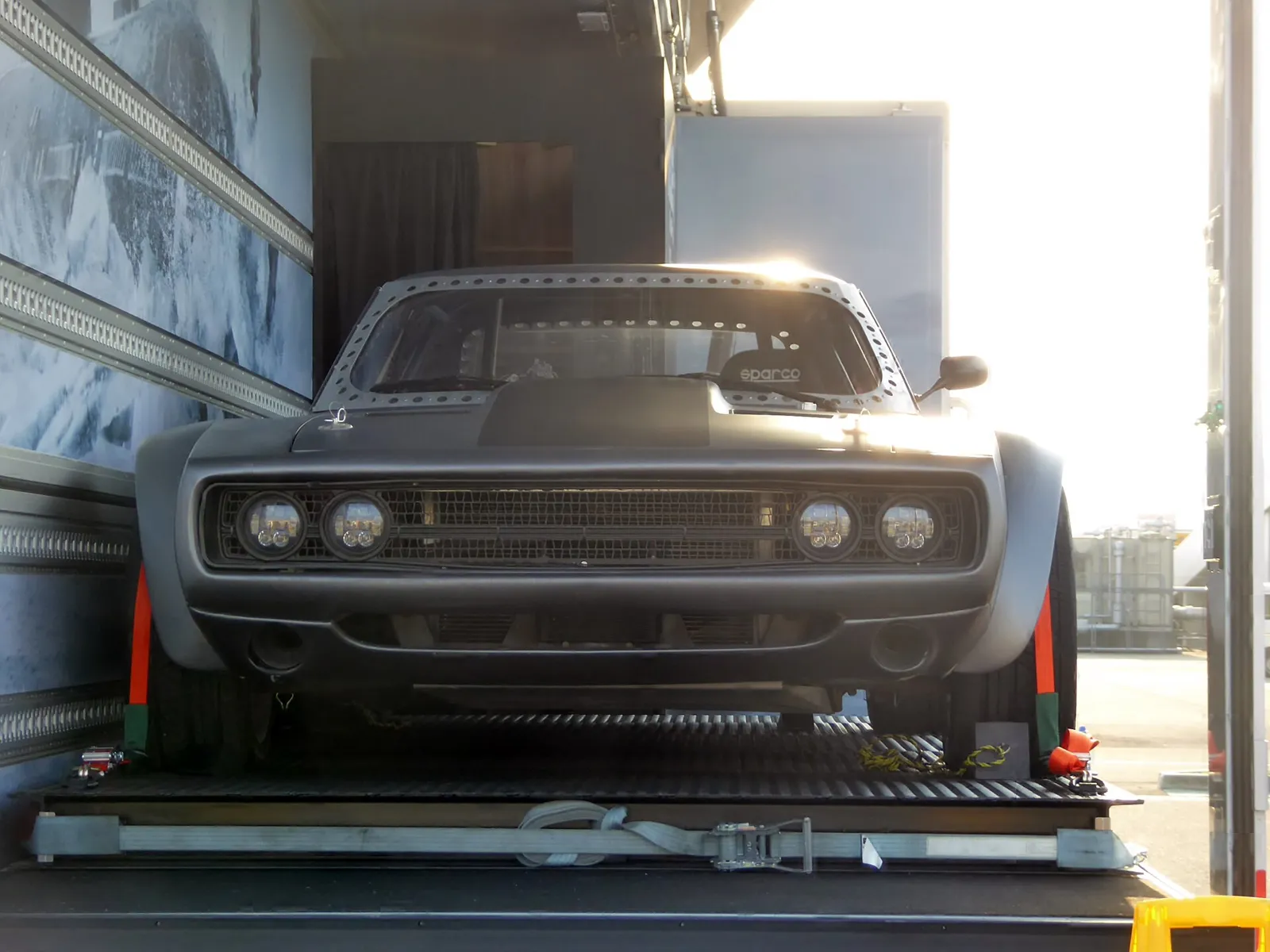
1968 Dodge “Ice Charger”
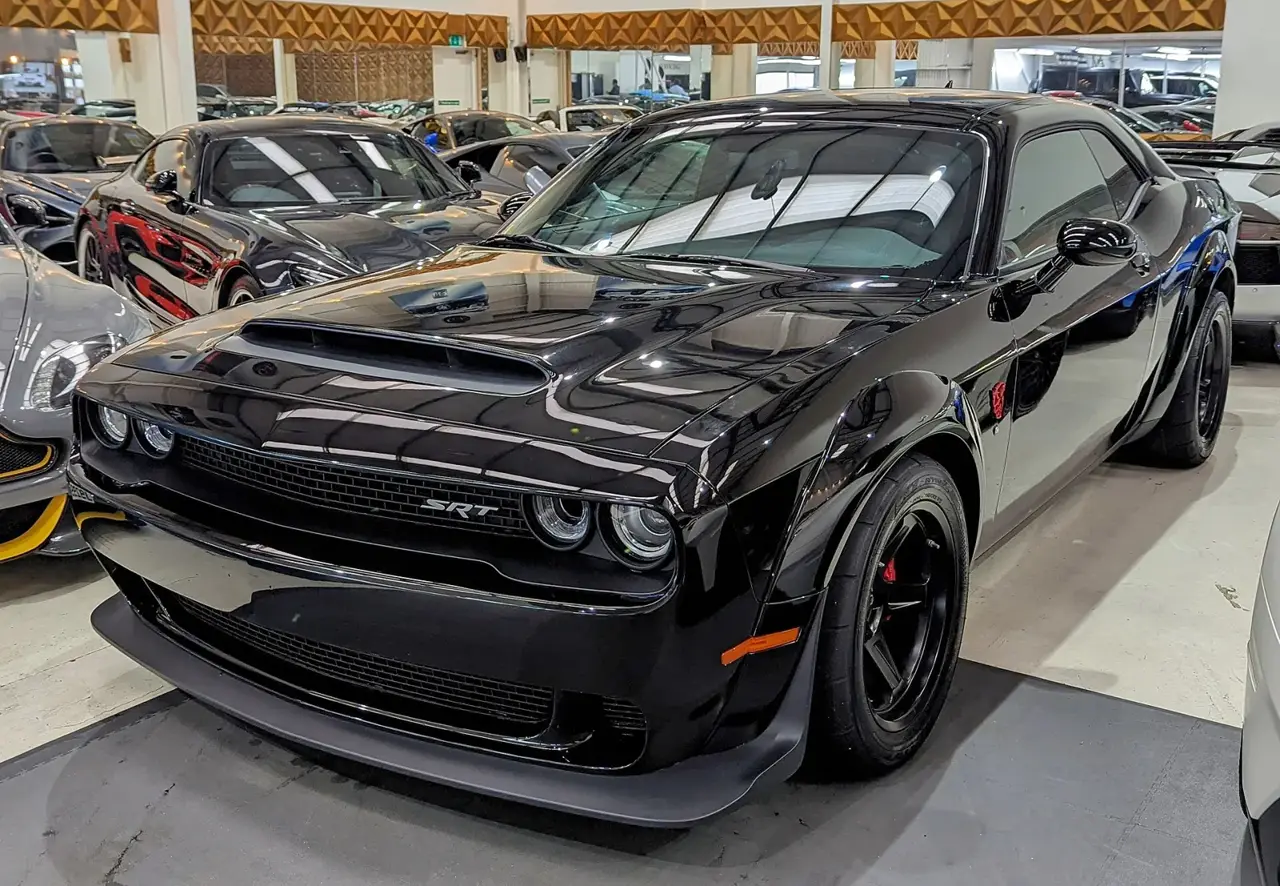
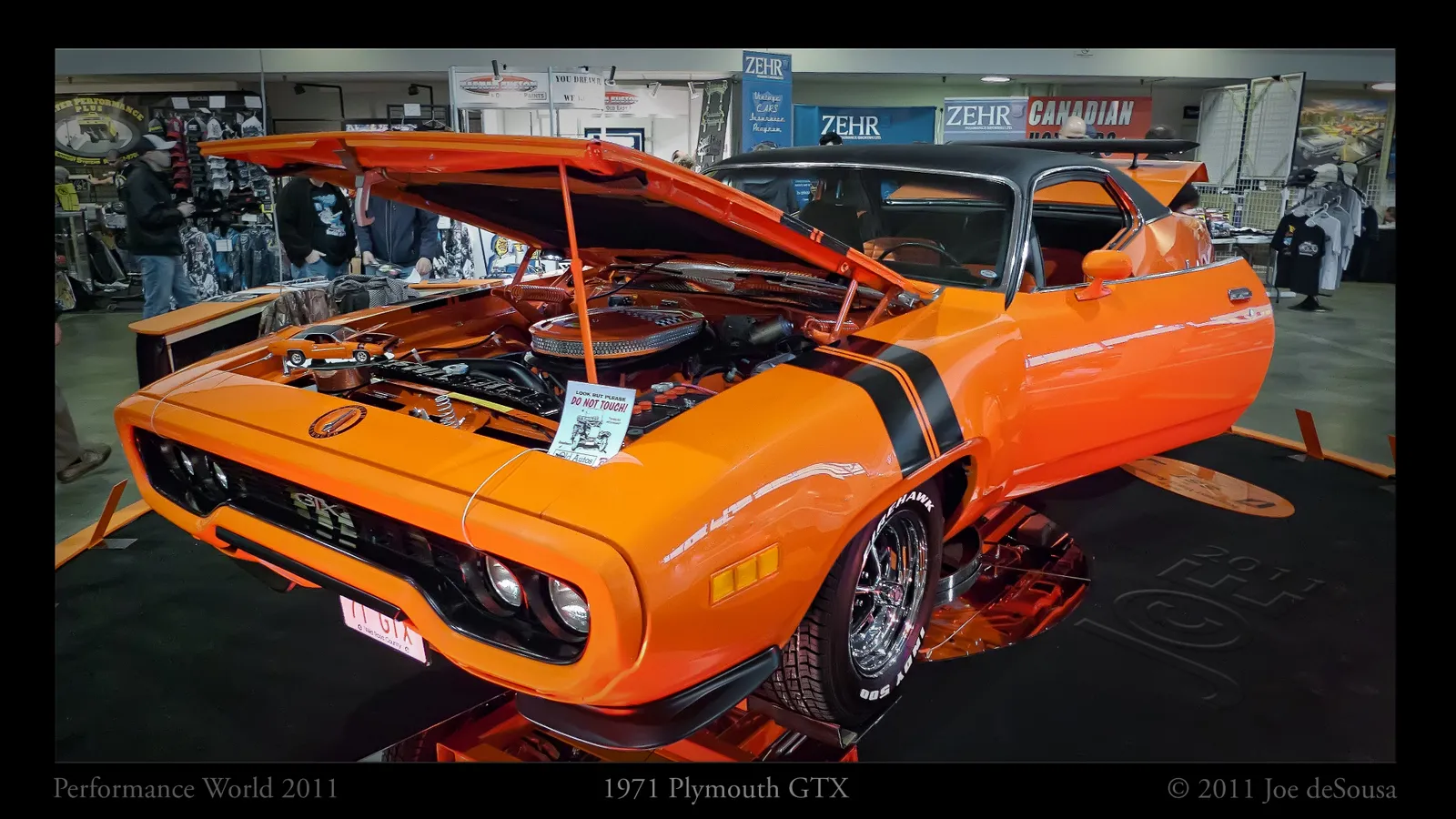
Built for the frozen-lake finale of The Fate of the Furious, the Ice Charger is a 1968 Charger body over an all-wheel-drive chassis. The same film also gives Dom a 1971 Plymouth GTX and a 2018 Dodge Challenger SRT Demon.
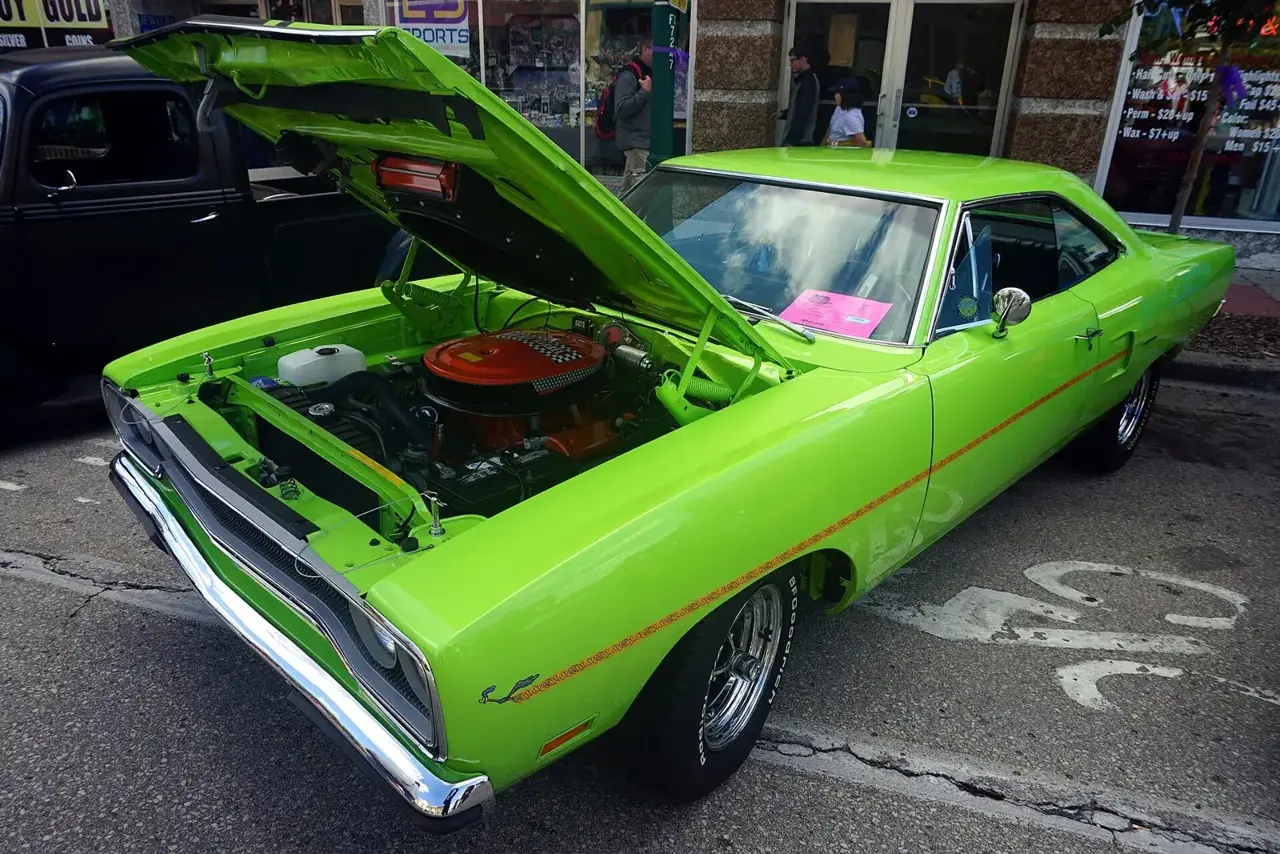
1970 Plymouth Road Runner
Dom’s cameo at the end of Tokyo Drift brings a 1970 Road Runner — another Mopar B-body, a close relative of the Charger under the skin.
Dom’s Cars at Auction
Screen-used Toretto cars do change hands, but provenance matters more than looks. A Furious 7 Charger stunt car (LS-powered, with a non-functional blower) sold for $93,500 at Mecum in July 2022. In August 2025 a screen-used 1970 Charger R/T from Fast & Furious (2009) and Fast Five was offered at the Rodz & Bodz Movie Car Museum auction run by Kraft Auction Service; the final price was not published. Replica and tribute Chargers sell for far less, and a stock 1970 Charger R/T is valued in the section below.
What’s Next: Fast Forever (2028)
The final film of the main series is titled Fast Forever and is dated for 17 March 2028. In September 2026 Vin Diesel said filming would start in December 2026, and he teased the project with a photo of Dom’s Charger. No new cars have been officially revealed yet; we will add them to the table when they are.
The 1970 Dodge Charger in Detail
Dom Toretto’s Charger at a Glance
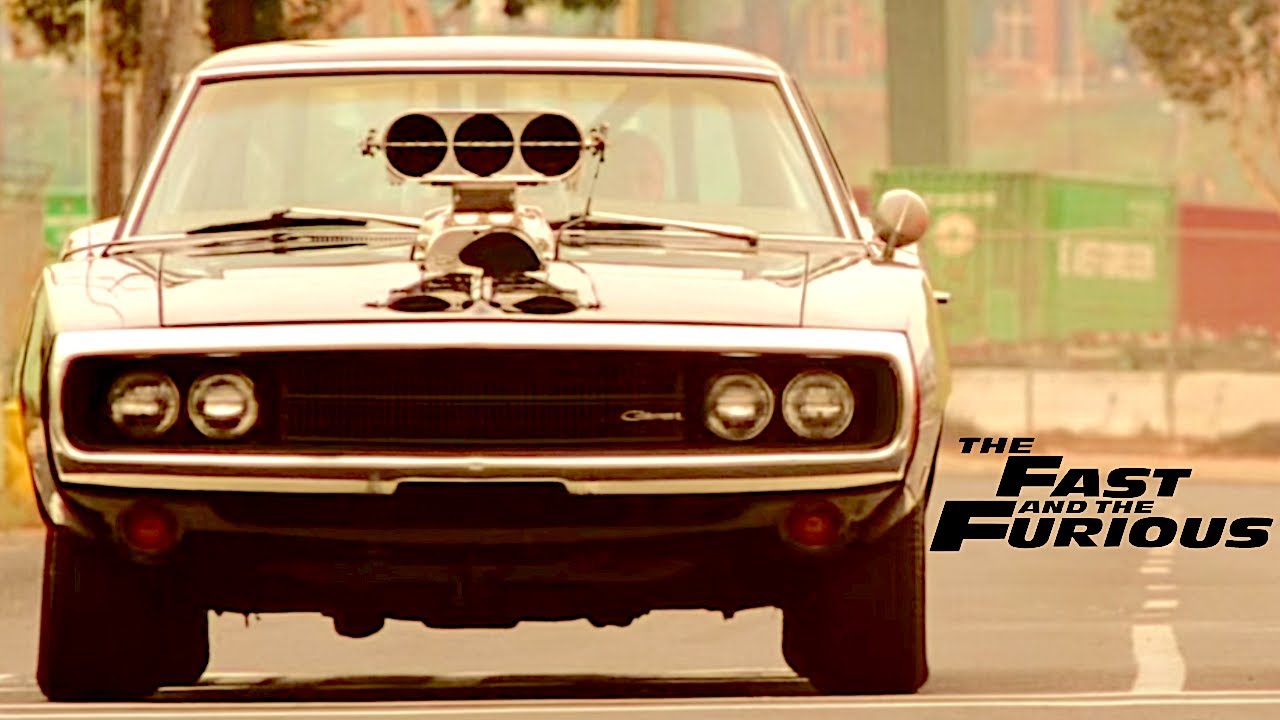
The story identifies the car as a 1970 Charger R/T built by Dom and his father. Dom finally drives it in the finale, pursuing the motorcycle gang before racing Brian O’Conner’s Toyota Supra. “Dom’s car” is best understood as one screen identity shared by several vehicles, not one continuous machine.
The Fictional 900 HP, Nine-Second Charger
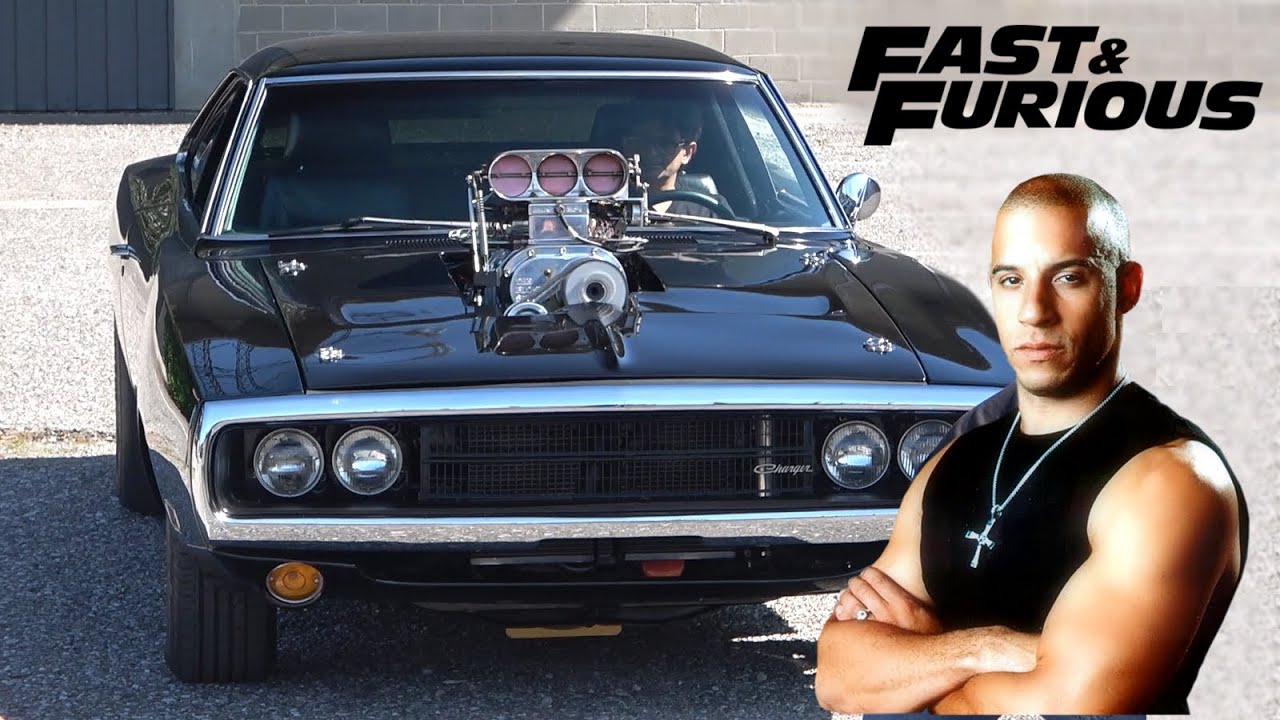
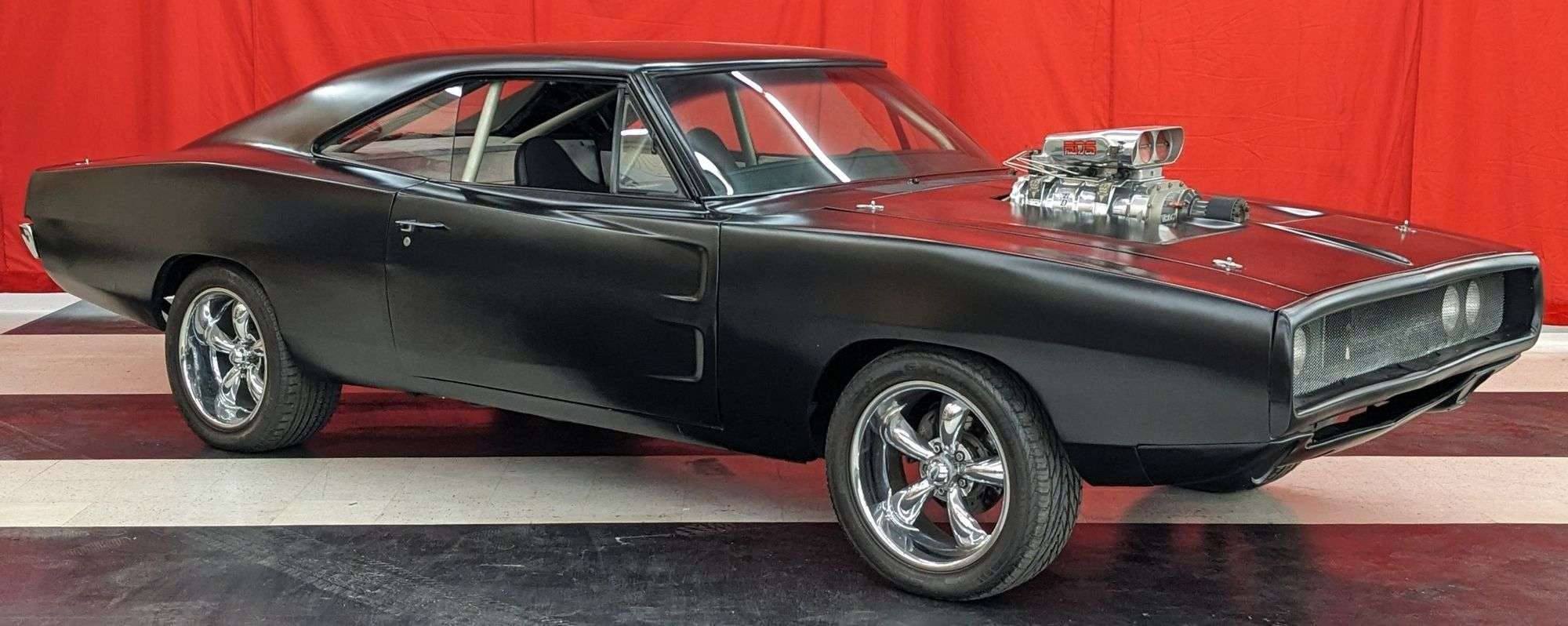
In the garage scene, Dom describes “900 horses of Detroit muscle” and says his father ran the quarter-mile in nine seconds flat. Those are character statements, not test results. The exposed supercharged Hemi gives the claim visual credibility, yet production accounts say the display engine was installed for the close-up and did not propel the car. No verified dyno sheet or timed quarter-mile establishes 900 hp or a nine-second pass for a first-film picture car.
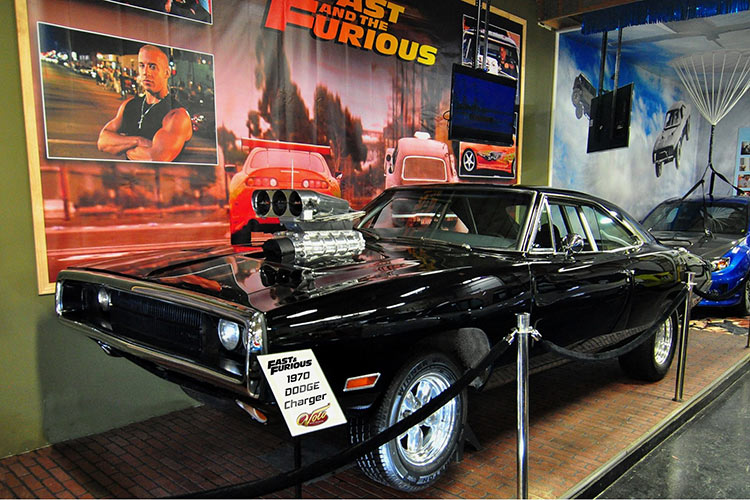
Stock 1970 Dodge Charger R/T Specifications
A showroom 1970 Charger R/T was formidable without movie mythology. Its standard engine was the naturally aspirated 440 cu in Magnum V8, rated at 375 gross hp. Buyers could specify the 390 hp 440 Six Pack or 425 hp 426 Street Hemi. Hagerty lists a 3,638 lb shipping weight, 208.5-inch length and 117-inch wheelbase; its period summary places a 440 R/T at roughly 13.9 seconds through the quarter-mile.
| Specification | Stock 1970 Charger R/T | Movie story car | First-film production reality |
|---|---|---|---|
| Identity | Factory R/T hardtop | Dom’s father-built 1970 R/T | Several Chargers sharing one screen identity |
| Engine | 440 Magnum standard; 440 Six Pack or 426 Hemi optional | Blown Hemi | Mopar 383/440 V8s reported; display engine for close-ups |
| Output | 375/390/425 gross hp | 900 hp | No verified common output; not demonstrated as 900 hp |
| Induction | Naturally aspirated carburetion | Functional supercharger | Prop/dummy blower on action cars |
| Transmission | Three-speed automatic or four-speed manual configurations | Dramatic shifting | Automatics reported for filming cars |
| Quarter-mile | About 13.9 sec for a 440 R/T | 9.0 sec | No verified first-film time |
| Purpose | Road-going muscle car | Family heirloom and drag weapon | Close-up, driving and stunt duties split among cars |
Hero Car and Stunt-Car Filming Reality
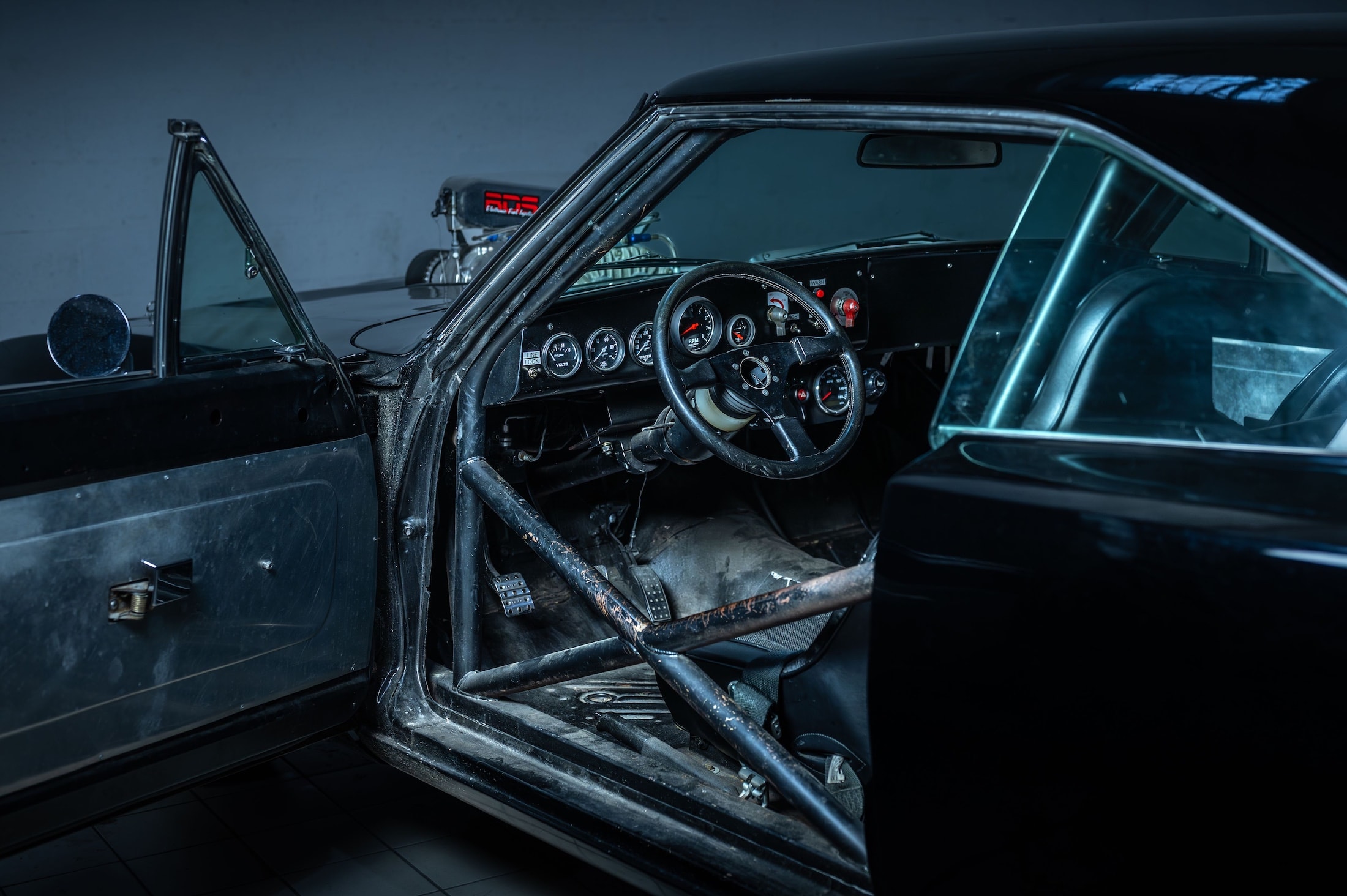
Accounts agree on the central point: the production did not subject one valuable, fully functional 900 hp Charger to every scene. Craig Lieberman’s detailed history identifies a 1969 Hero 1 shell dressed to resemble a 1970 R/T, powered for driving shots by a 440 and fitted with an automatic. Other reporting based on Lieberman describes mostly 1970 cars, at least one 1969, and 383 or 440 Mopar engines.
The reported count varies from three cars serving multiple duties to four or five physical cars, so exact totals deserve caution. The hero car handled close work; stunt and jump cars carried safety equipment and task-specific modifications.
Blower, Body and Visual Specification
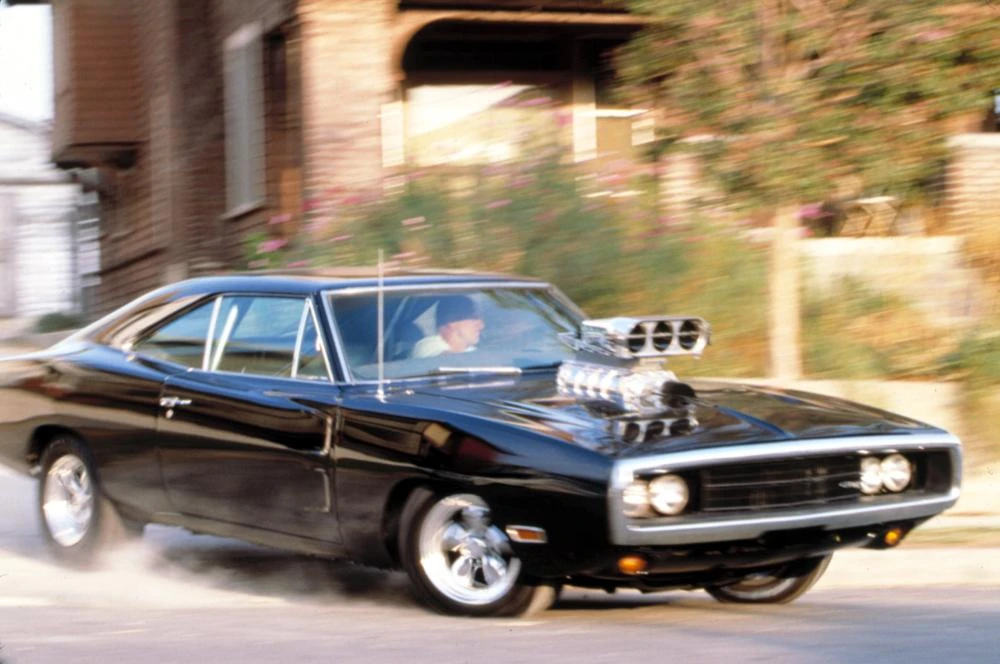
The upright grille, loop bumper and full-width taillamp treatment establish the 1970 appearance. Gloss black paint suppresses trim lines, while the polished scoop, side-exit exhaust, wide rear rubber and classic five-spoke wheels create the drag-strip stance. The injector hat and blower are the defining film additions, but action-car hardware was visual dressing rather than a functioning supercharger connected to a 900 hp engine.
A convincing replica can reproduce the silhouette and hardware, but that does not make it mechanically identical to a screen-used car.
How the Wheelie and Final Crash Were Filmed
The finale combines specialized vehicles and practical stunt work. Production histories identify dedicated stunt hardware for the launch, jump, flip and collision, while one surviving stunt-car description documents a roll cage, automatic, 440 V8 and replica blower. The sequence was not one stock chassis making a repeatable nine-second run.
Editing preserves one continuous black Charger even though each shot imposed different mechanical demands.
Value, Replicas and Authentication
A 1970 Charger R/T’s value varies by engine, condition and originality. Current advertisements support a broad $46,500–$249,950 asking-price snapshot, with rare Hemi and Six Pack cars occupying distinct territory. The range does not value a film car.
Screen provenance is a separate value driver. Authentication requires VIN history, production paperwork, chain of ownership and ideally confirmation from the picture-vehicle supplier. Later franchise cars, promotional vehicles and replicas are not automatically part of the 2001 fleet.
Frequently Asked Questions About Dom Toretto’s Cars
What car does Dom Toretto drive?
His signature car is a black 1970 Dodge Charger R/T, which appears in most of the Fast & Furious films. He has also driven a 1993 Mazda RX-7, a 1970 Chevelle SS, a 1987 Buick GNX, a 1969 Charger Daytona, the Lykan HyperSport, the Ice Charger and a Challenger SRT Demon, among others.
Is the orange Supra Dom Toretto’s car?
No. The orange 1994 Toyota Supra belongs to Brian O’Conner (Paul Walker). Dom races it in the first film’s finale in his black 1970 Dodge Charger.
What car does Dom drive in Fast X?
In Fast X (2023) Dom drives his 1970 Dodge Charger R/T and a modern Dodge Charger SRT Hellcat Redeye.
How much is Dom Toretto’s Charger worth?
A screen-used Furious 7 Charger stunt car sold for $93,500 at Mecum in July 2022. A genuine stock 1970 Charger R/T is a separate market; current asking prices run from about $46,500 to $249,950 depending on engine and condition.
Was Dom’s Charger really a 1970 Dodge Charger R/T?
In the story, yes. Behind the camera, published accounts describe multiple Charger shells, including a 1969 car converted with 1970-style details. “1970 Charger R/T” is the correct screen identity, not proof that every filming vehicle left Dodge in that exact configuration.
Did the movie Charger really make 900 horsepower?
The 900 hp figure is dialogue. The dramatic engine shown in the garage was a close-up display installation, while moving cars used more conventional Mopar V8s. No verified first-film test supports 900 hp for the production fleet.
Was the supercharger functional?
Not on the action cars. Contemporary production histories describe dummy or prop blower hardware; the prominent display engine used for the garage reveal did not power the car in motion.
How many Chargers were used in the first film?
The exact count remains disputed. Sources variously describe three cars covering multiple roles or roughly four to five cars, including hero, stunt and dedicated jump duties. The defensible conclusion is that several vehicles created the single on-screen Charger.
The Fast & Furious series also used a green 1972 Ford Gran Torino, which is often confused with Clint Eastwood’s car from Gran Torino. Our Gran Torino movie car guide separates the two and shows what a 1972 Gran Torino Sport is worth today.
Sources & Verification
- Photo credits (Wikimedia Commons): Xnatedawgx, TaurusEmerald, Tokumeigakarinoaoshima (Ice Charger), Tokumeigakarinoaoshima (RX-7), Sicnag, Michael Barera (GNX), Charles from Port Chester, Michael Barera (Road Runner), Mustang Joe, W Motors, Calreyn88, IFCAR, HJUdall. Licences as stated in each caption; images resized and converted to WebP.
- Wikipedia — Dominic Toretto: cars by film
- Motor1 — F9 official vehicle showcase
- Motor Authority — Dom’s Mazda RX-7
- Mopar Insiders — Furious 7 Charger sells for $93,500
- Jalopnik — Rodz & Bodz movie cars at auction (2025)
- Motor1 — Fast Forever release date
- ComingSoon — Vin Diesel on Fast Forever filming (Sept. 2026)
- Hagerty Valuation Tools — 1970 Dodge Charger R/T specifications and values
- Craig Lieberman / Fast and Furious Facts — Dom’s first-film Charger history
- The Drive — production account of the hero and stunt Chargers
- Motor Authority — technical-advisor summary and filming-car uncertainty
- ClassicCars.com — advertised 1970 Charger R/T asking prices



_ver.the_Fast_and_the_Furious_(1).jpg)
.jpg)
.jpg)
_(55220899684).jpg)
.jpg)
.jpg)


