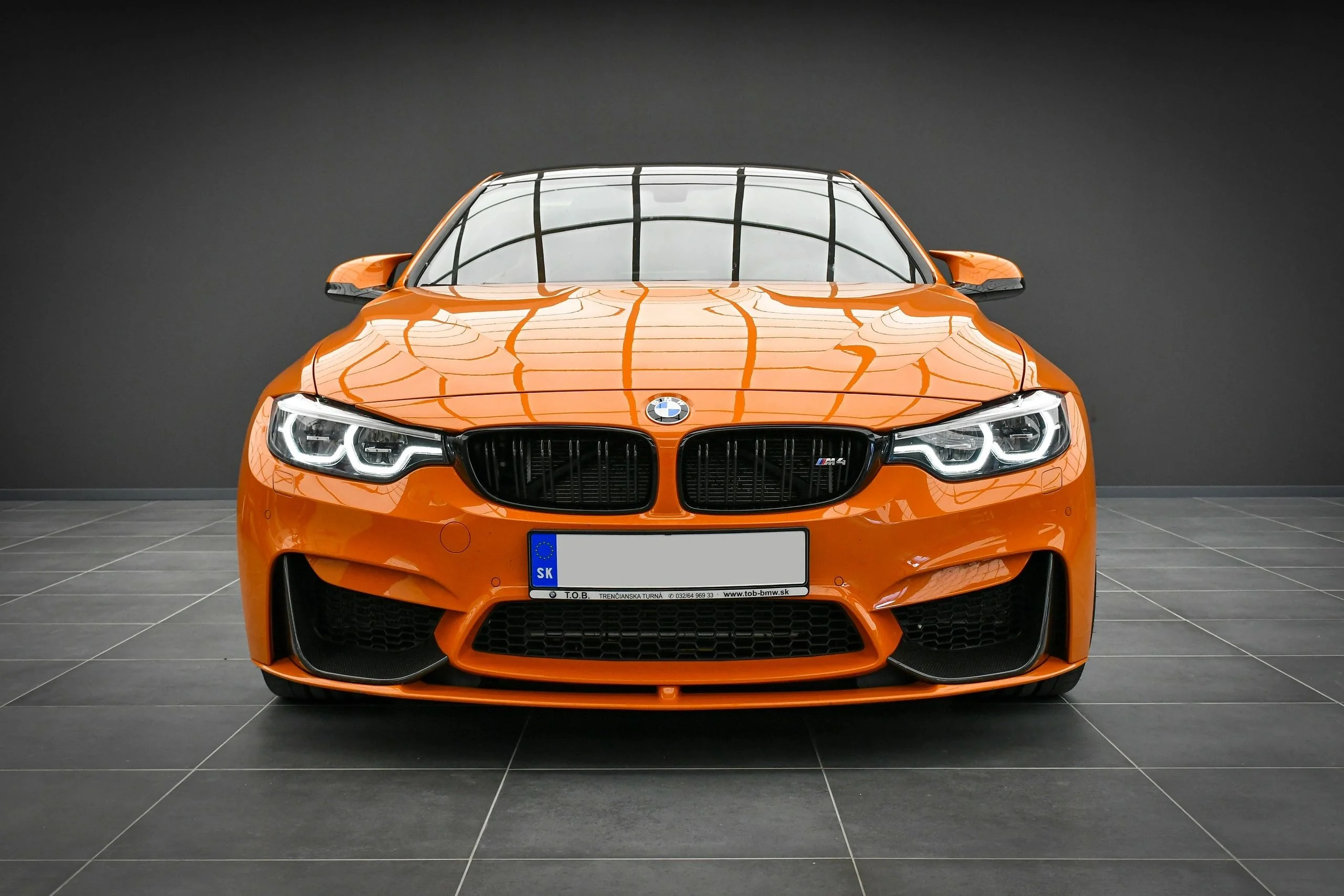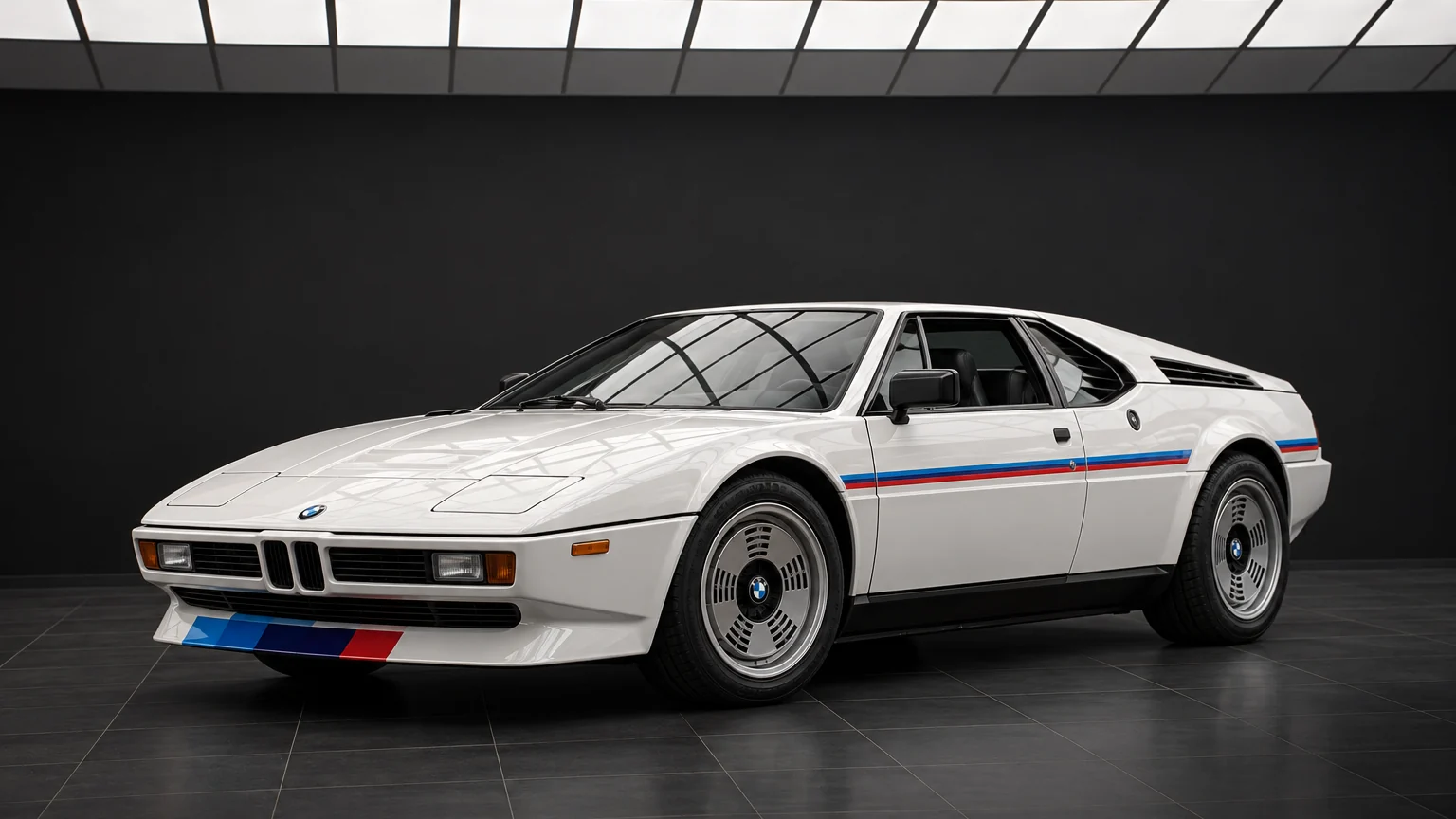
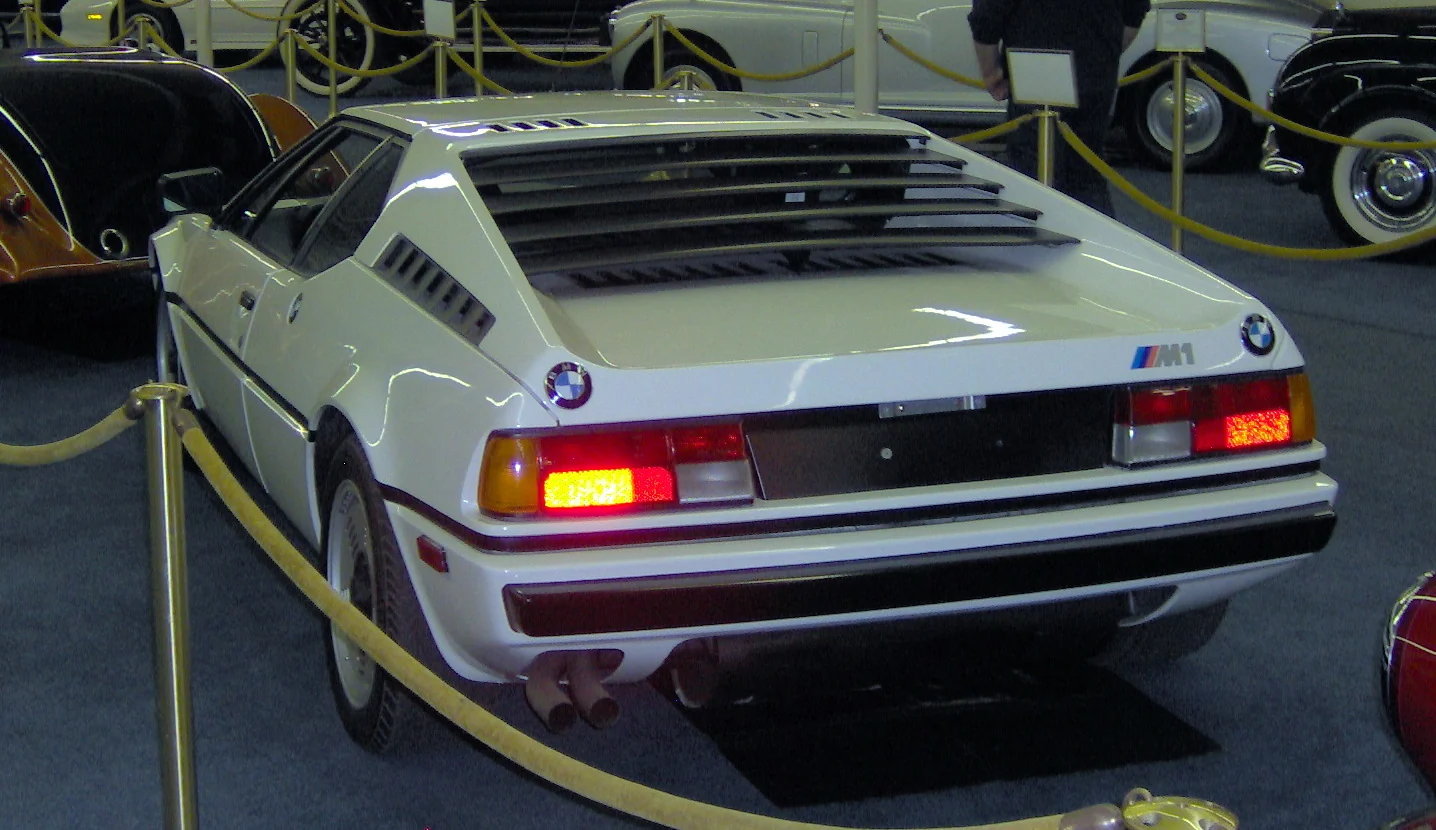
The BMW M1 is still the only mid-engine supercar Munich has sold to the public. Giorgetto Giugiaro drew it. The M88 straight-six sits behind the seats. Production ran from 1978 to 1981 and stopped at 399 road cars. BMW has not replaced it. The later M division built saloons, coupés and an M8; the i8 was a hybrid experiment, not a successor. Fans have been ready for another one for four decades. That unfinished sentence is why the M1 belongs in Legendary Cars.
BMW M1 Specifications
The road M1 is a two-seat, mid-engine, rear-drive coupe on a tubular steel spaceframe with glass-fibre body panels. The M88 is a 3.5-litre twin-cam inline-six with four valves per cylinder — the architecture that later fed the M88/3 in the first M5 and M635 CSi.
| Specification | Details |
|---|---|
| Model | BMW M1 (E26) |
| Production | 1978–1981 |
| Designer | Giorgetto Giugiaro / Italdesign |
| Engine | M88 3,453 cc naturally aspirated I6 |
| Power | 277 PS (204 kW / 273 hp) at 6,500 rpm |
| Torque | 330 Nm at 5,000 rpm |
| Transmission | 5-speed manual |
| Layout | Mid-engine, rear-wheel drive |
| Top speed | About 260 km/h |
| 0–100 km/h | About 5.6 s |
| Road production | 399 |
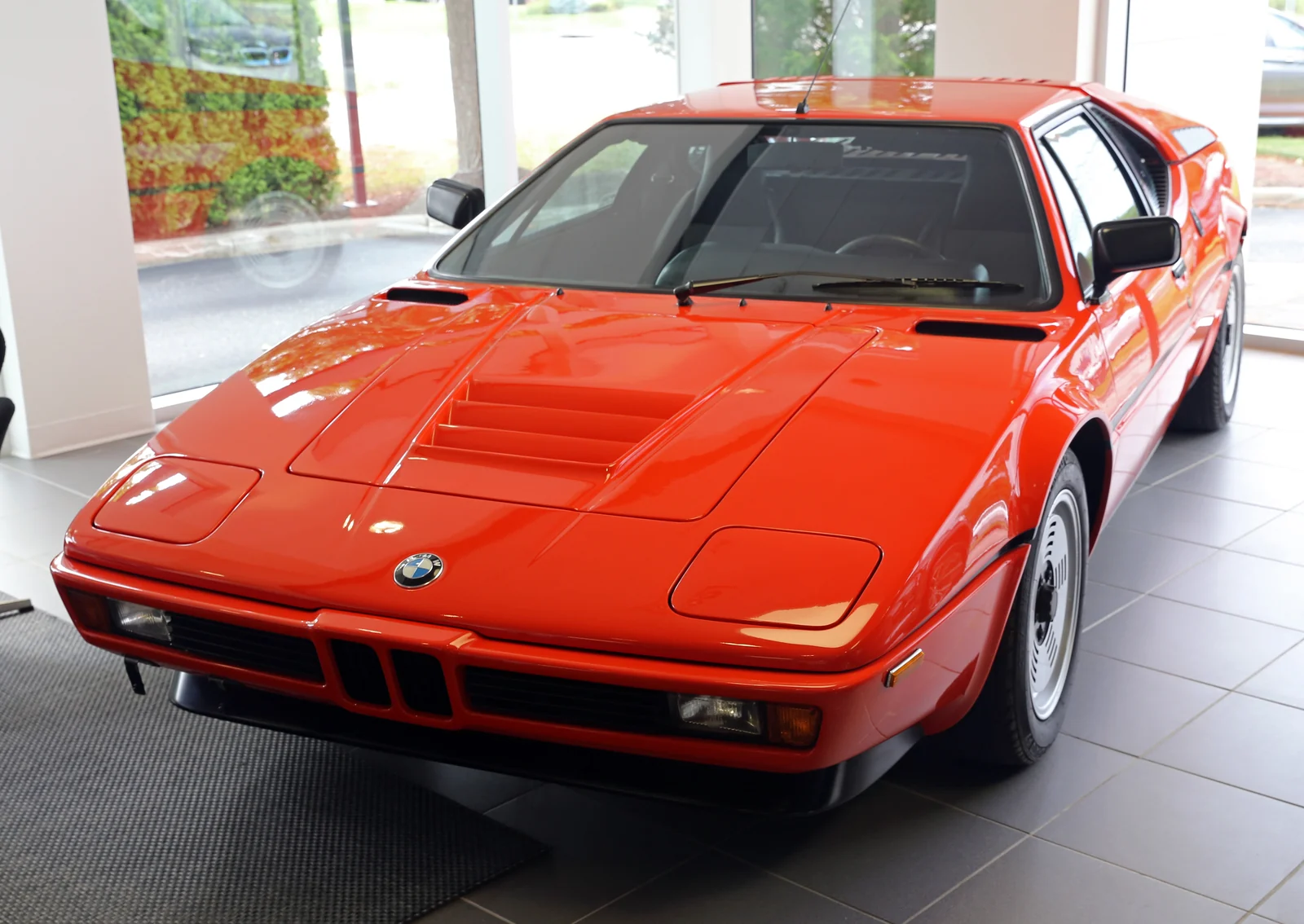
BMW M1 History: The Lamborghini Deal That Collapsed
BMW needed a car for Group 4. Lamborghini was contracted to develop it. The arrangement fell apart when Lamborghini could not deliver. Italdesign, who already had the Giugiaro body, and German specialists finished the car late. Homologation rules had moved. BMW invented the Procar Championship — Formula One support races for identical M1s — so the project still had a stage. Niki Lauda won the first season in 1979.
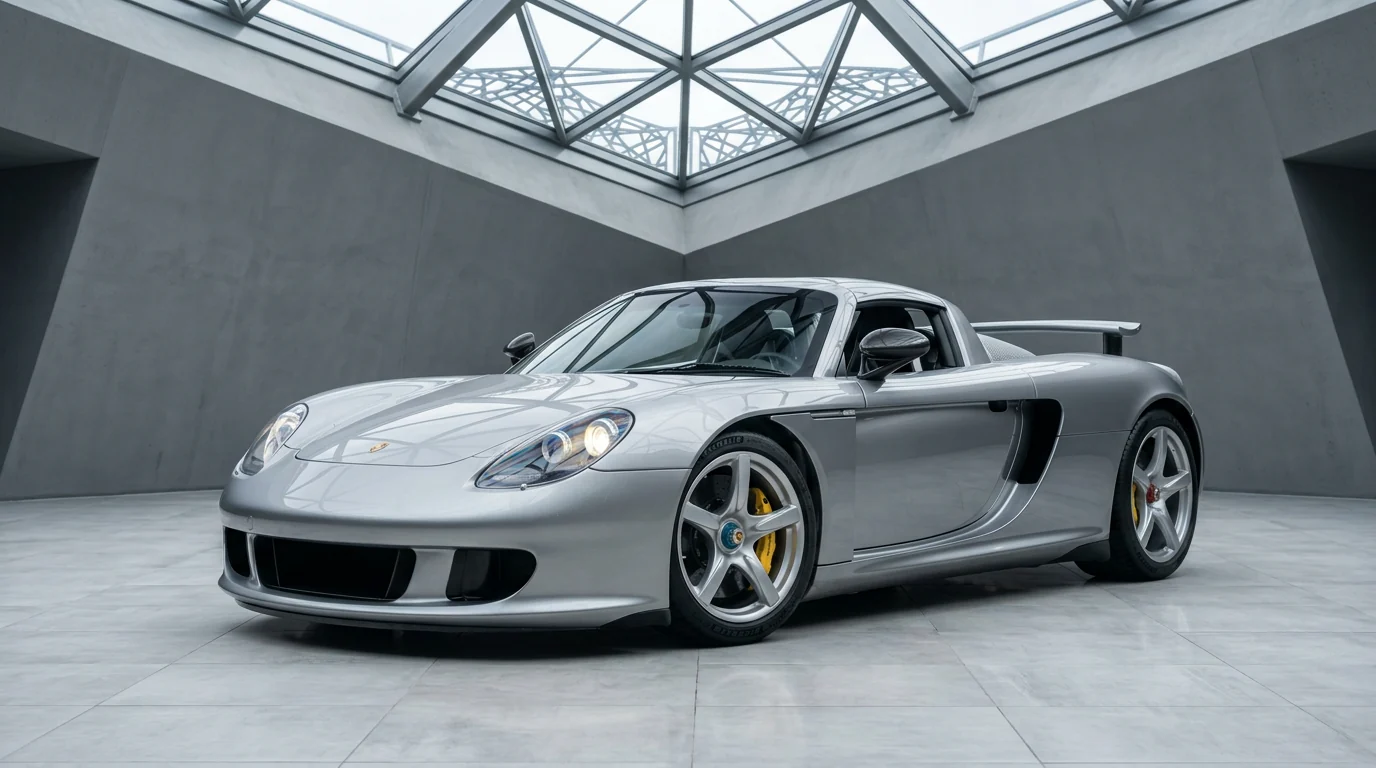
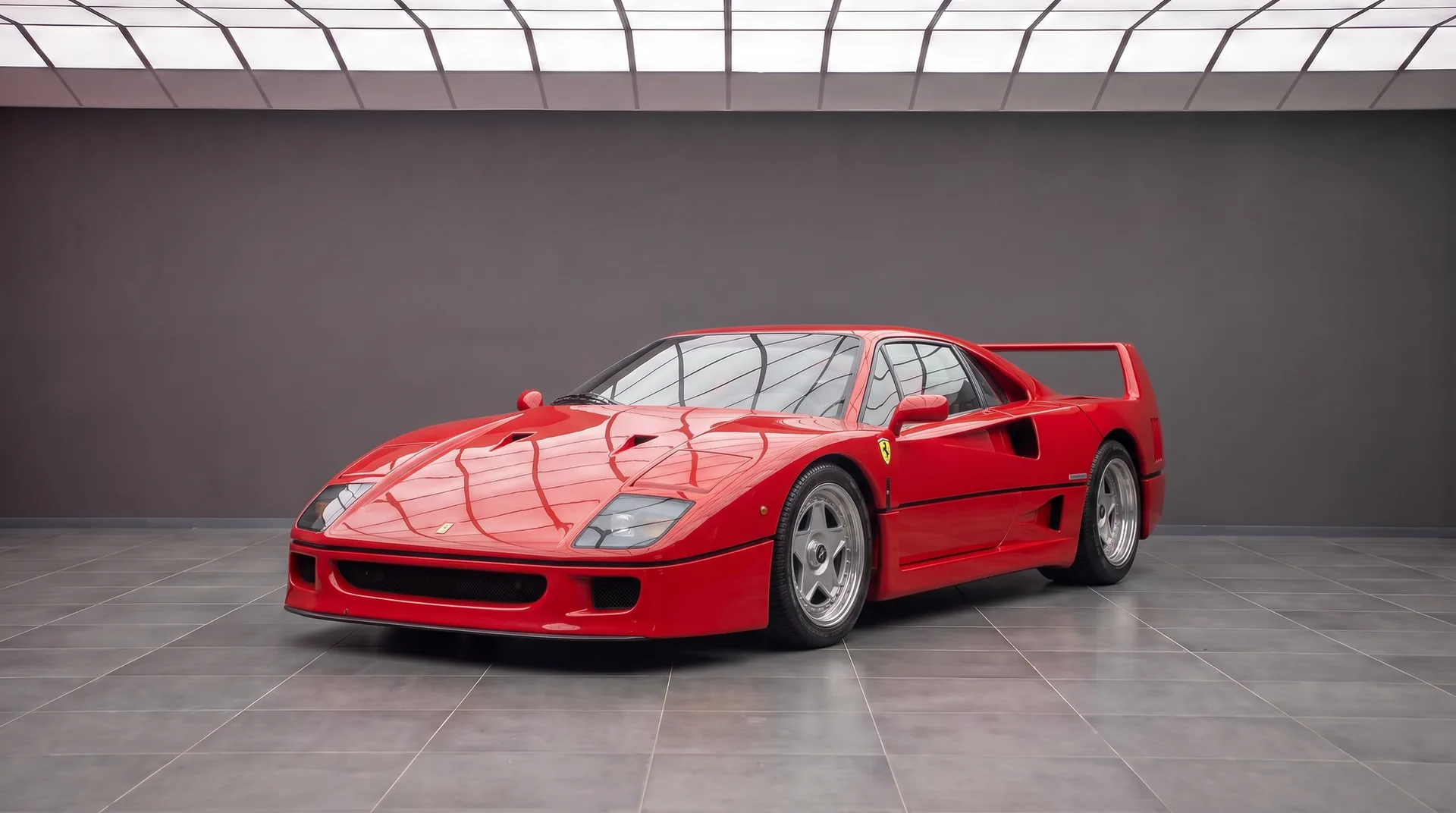
That is a more complicated birth than the Carrera GT or the F40, and it shows: the M1 is a homologation special that became a road car, not a road car that later went racing.
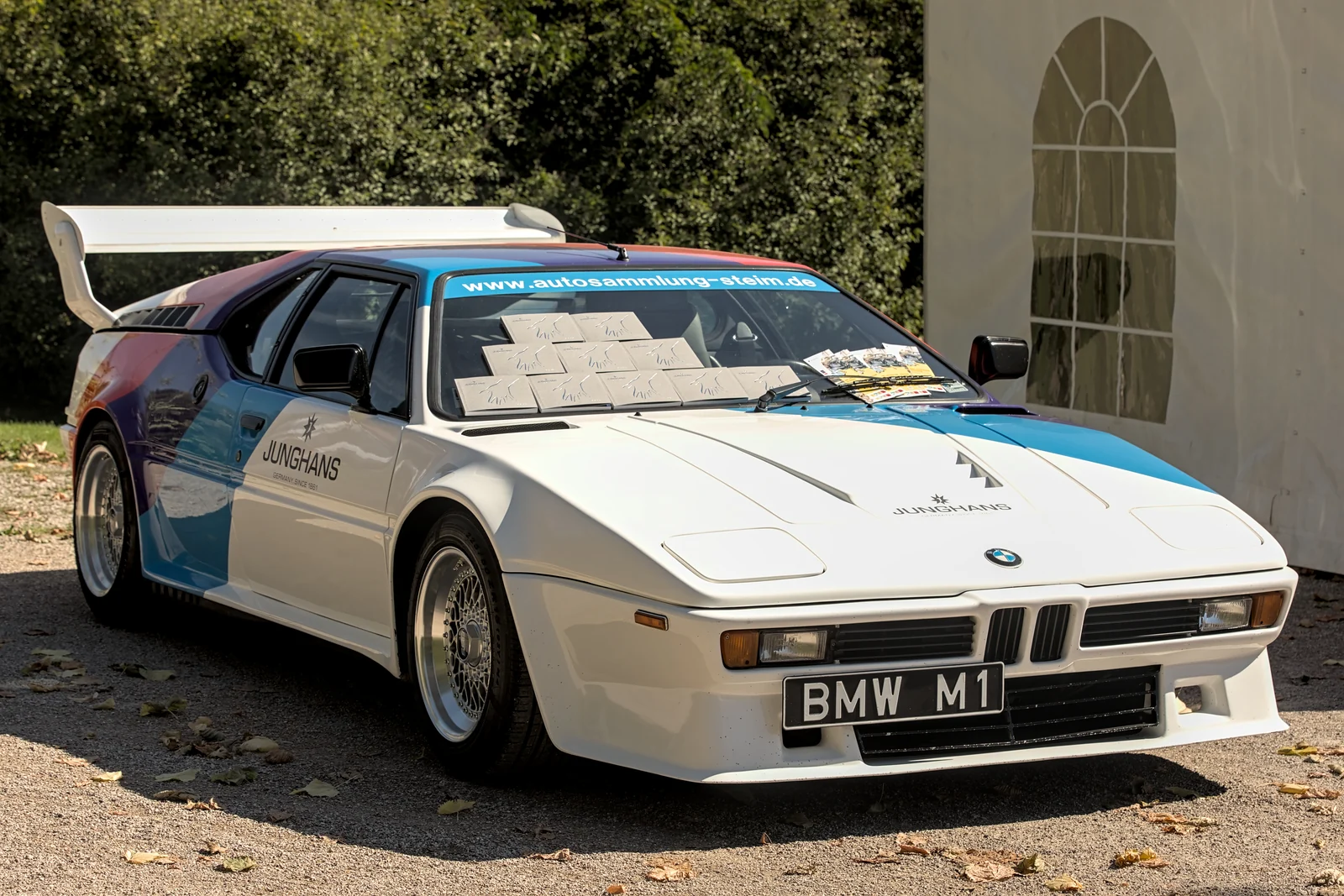
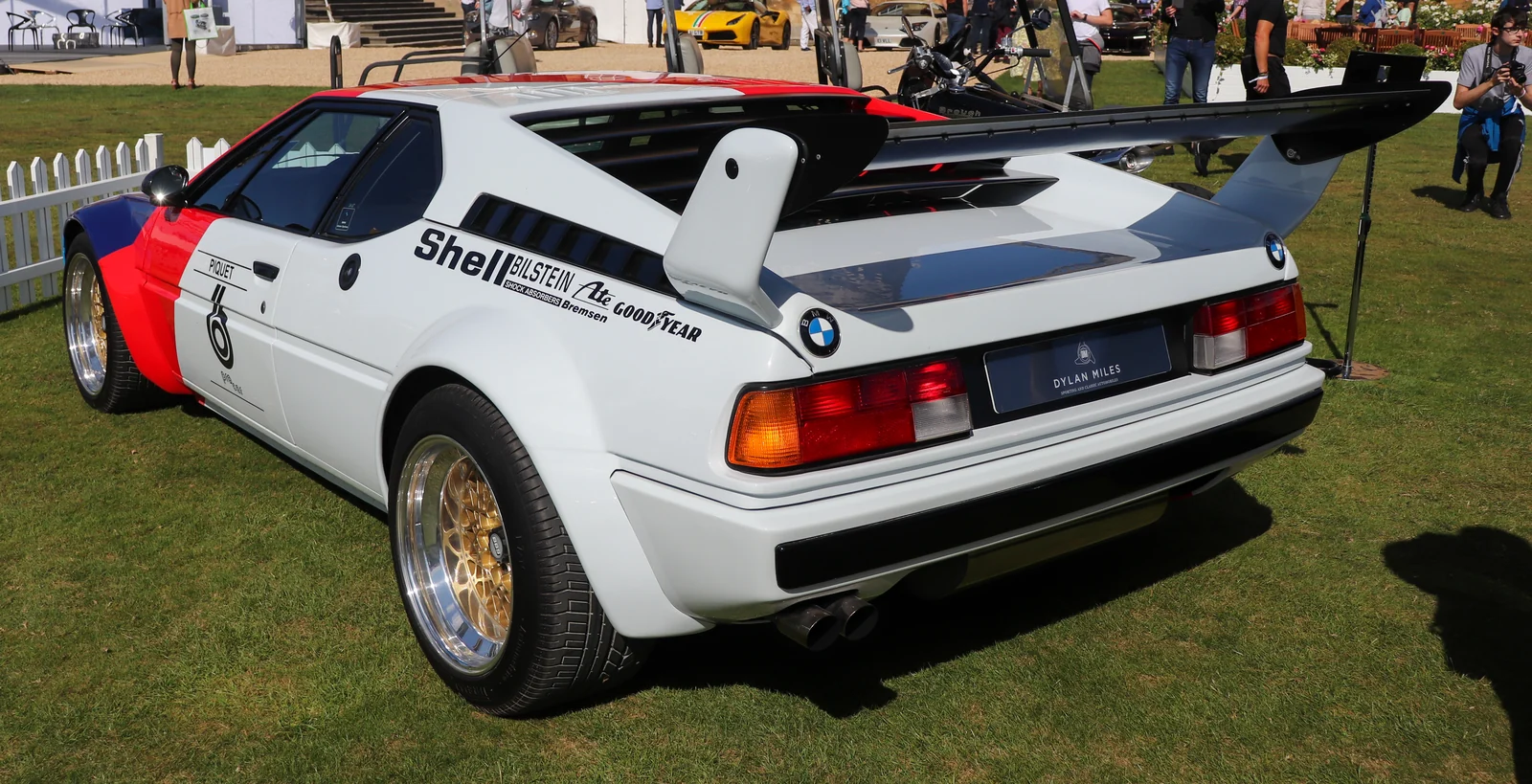
BMW Never Built Another Supersport
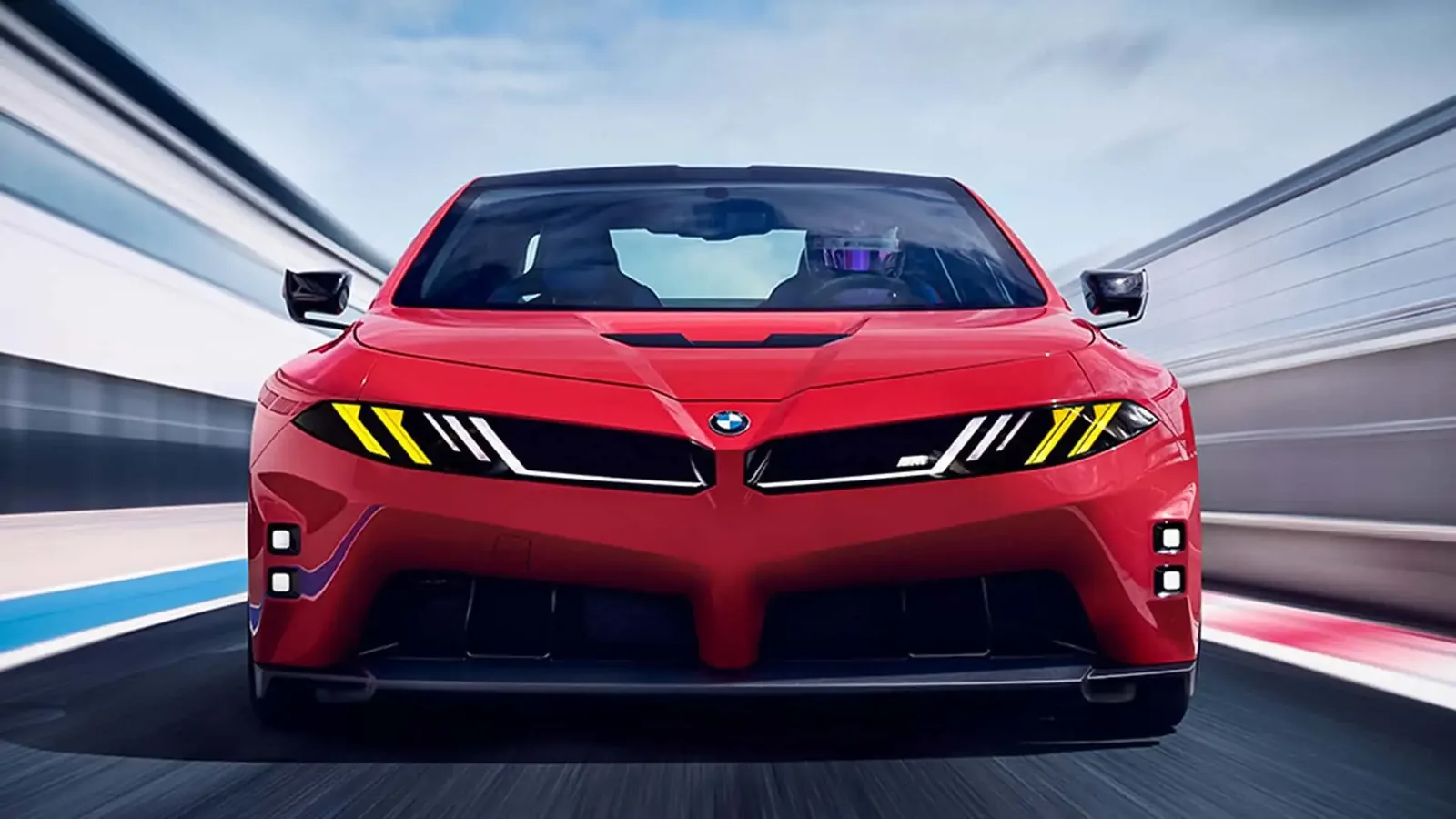
Since the last M1 left the line in 1981, BMW has not sold another mid-engine supercar. The M badge went onto the M5, M3 and later the M8 — fast, important, and front-engined. The i8 used a mid-mounted three-cylinder hybrid and butterfly doors; it was never an M1 replacement in power, layout or intent. Concepts such as the M1 Hommage (2008) proved the design still works. Nothing reached production.
Enthusiasts would take that car tomorrow. A modern mid-engine BMW with an M engine — or a focused hybrid that still steers like an M car — is the gap the M division has left open for more than forty years. Until Munich fills it, the E26 remains the only answer.
Batman Garage Collector Verdict
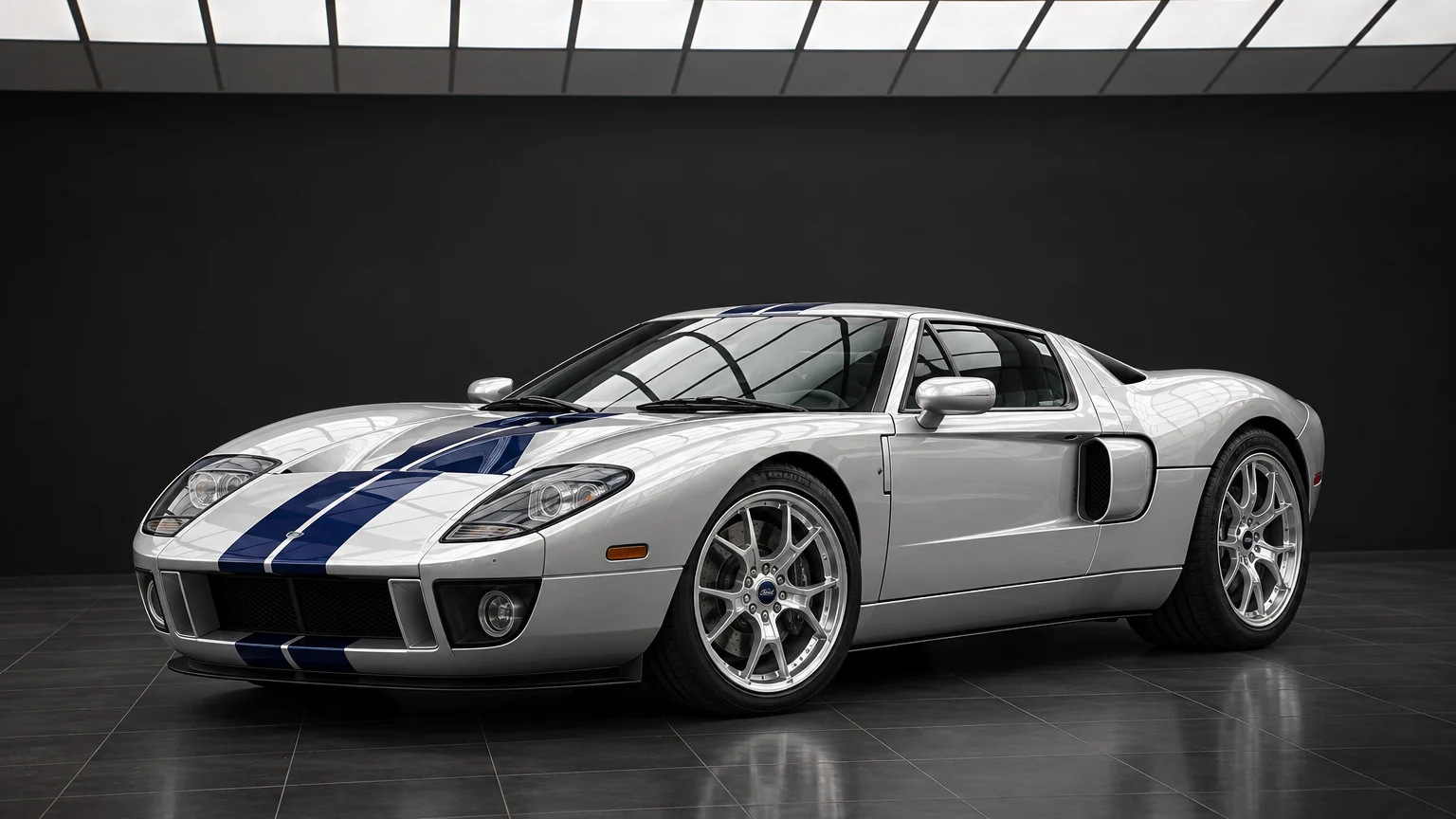
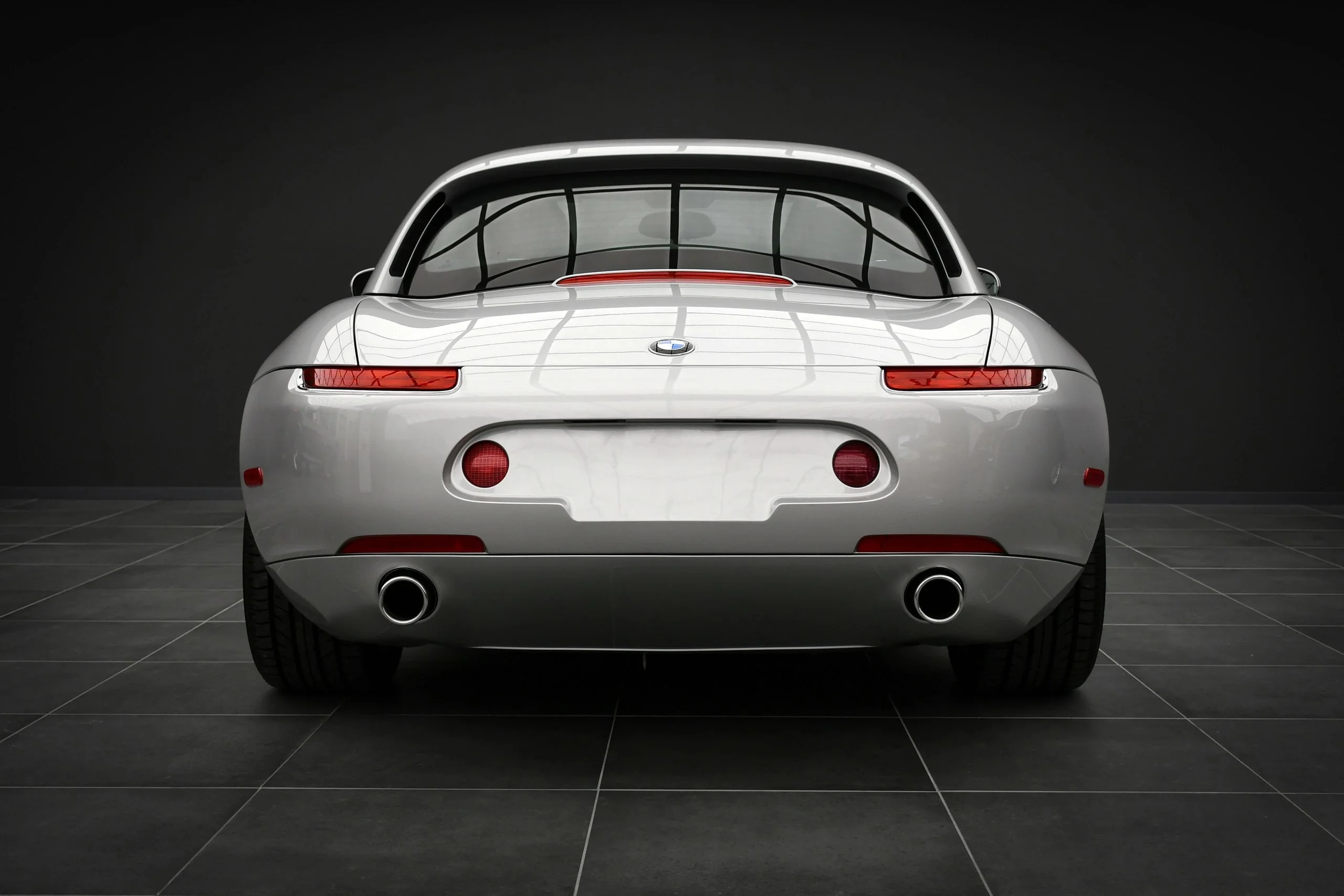
The M1 is a complete object: Giugiaro body, M88 engine, Procar history and a production number small enough to matter. It is also a reminder that BMW can do a supercar and then choose not to. Check whether a car is a street M1 or a Procar conversion, and treat the M88 as a period racing engine that happens to have number plates. A different reading of a one-off layout sits in the Ford GT40 guide. The garage’s own BMW is the Z8, a front-engine roadster from a later decade.
Sources
- BMW — M1 / E26 programme and M88 specification
- BMW M GmbH historical notes on Procar and the abandoned Lamborghini development contract
- Period road tests quoting 277 PS, 260 km/h and approximately 5.6 seconds to 100 km/h
Frequently Asked Questions
What is the BMW M1?
The BMW M1 (E26) is a mid-engine supercar built from 1978 to 1981. Giorgetto Giugiaro designed the body. The road car uses the 3.5-litre M88 straight-six with 277 PS. It is BMW’s first and only true mid-engine supercar.
How many BMW M1 cars were built?
BMW built 399 road cars and a smaller run of Procar racing versions. Combined production is generally given as about 453 to 456 cars.
Why was the M1 delayed?
The car was meant to be developed with Lamborghini. That collaboration collapsed. Production was reorganised through Italdesign and German specialists, which is why the M1 arrived late for its original Group 4 plan and why the Procar one-make series was created.
Has BMW built another supercar since the M1?
No mid-engine BMW supersport has followed it. Later M cars are front-engine saloons, coupés and the M8. The i8 was a hybrid sports car, not an M1 successor. Enthusiasts have been asking for another one ever since.
What engine is in the BMW M1?
The road M1 uses the M88 3,453 cc naturally aspirated inline-six with 277 PS (204 kW) at 6,500 rpm and 330 Nm, driving the rear wheels through a five-speed manual.
Is the BMW M1 a collector car?
Yes. It is rare, it is the founding M car in spirit, and it has no factory successor. Condition, matching numbers and Procar versus street specification should be verified separately.