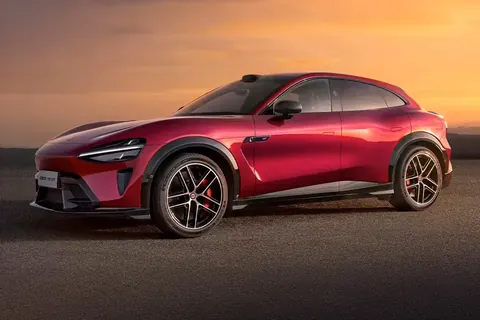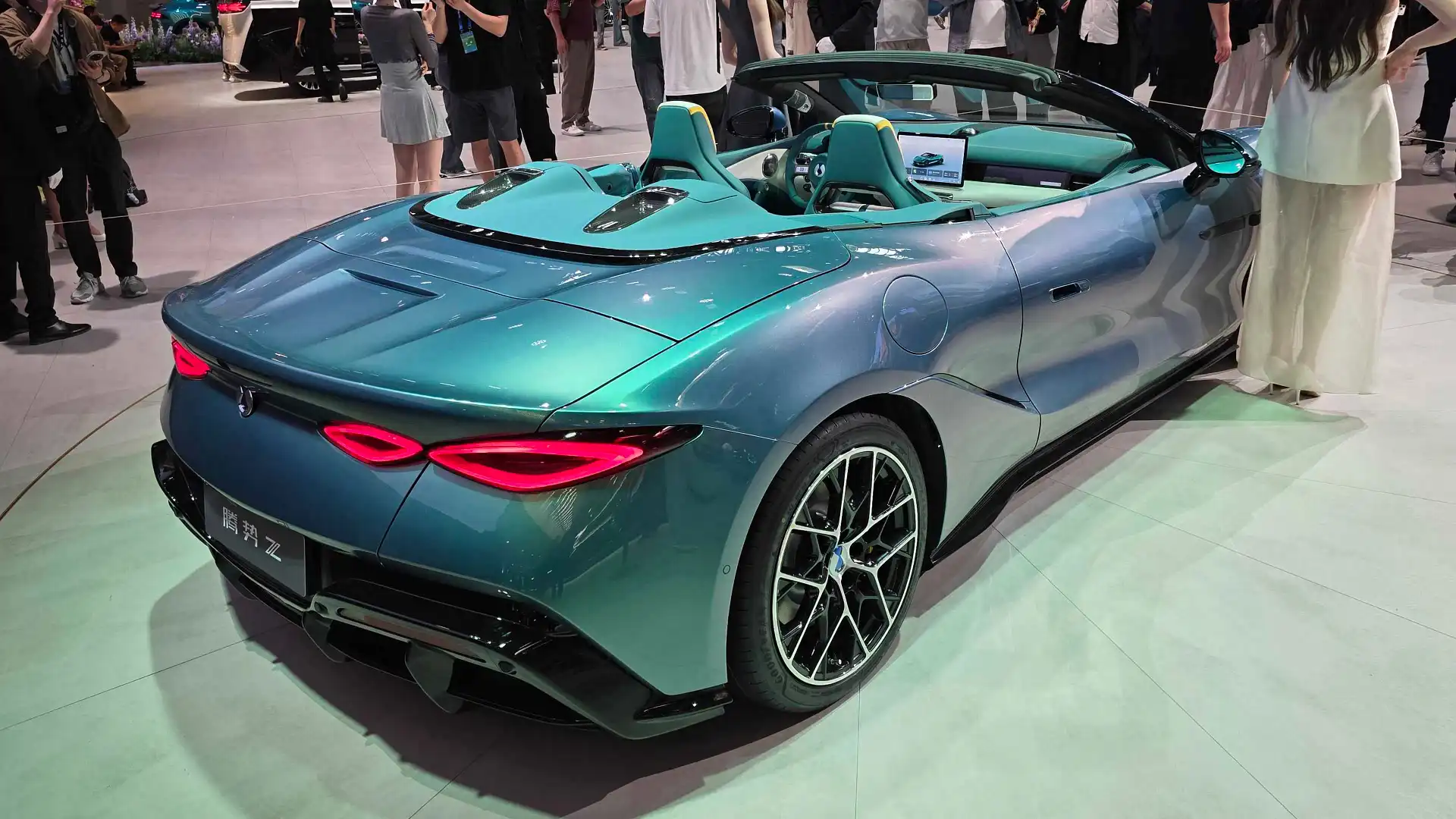
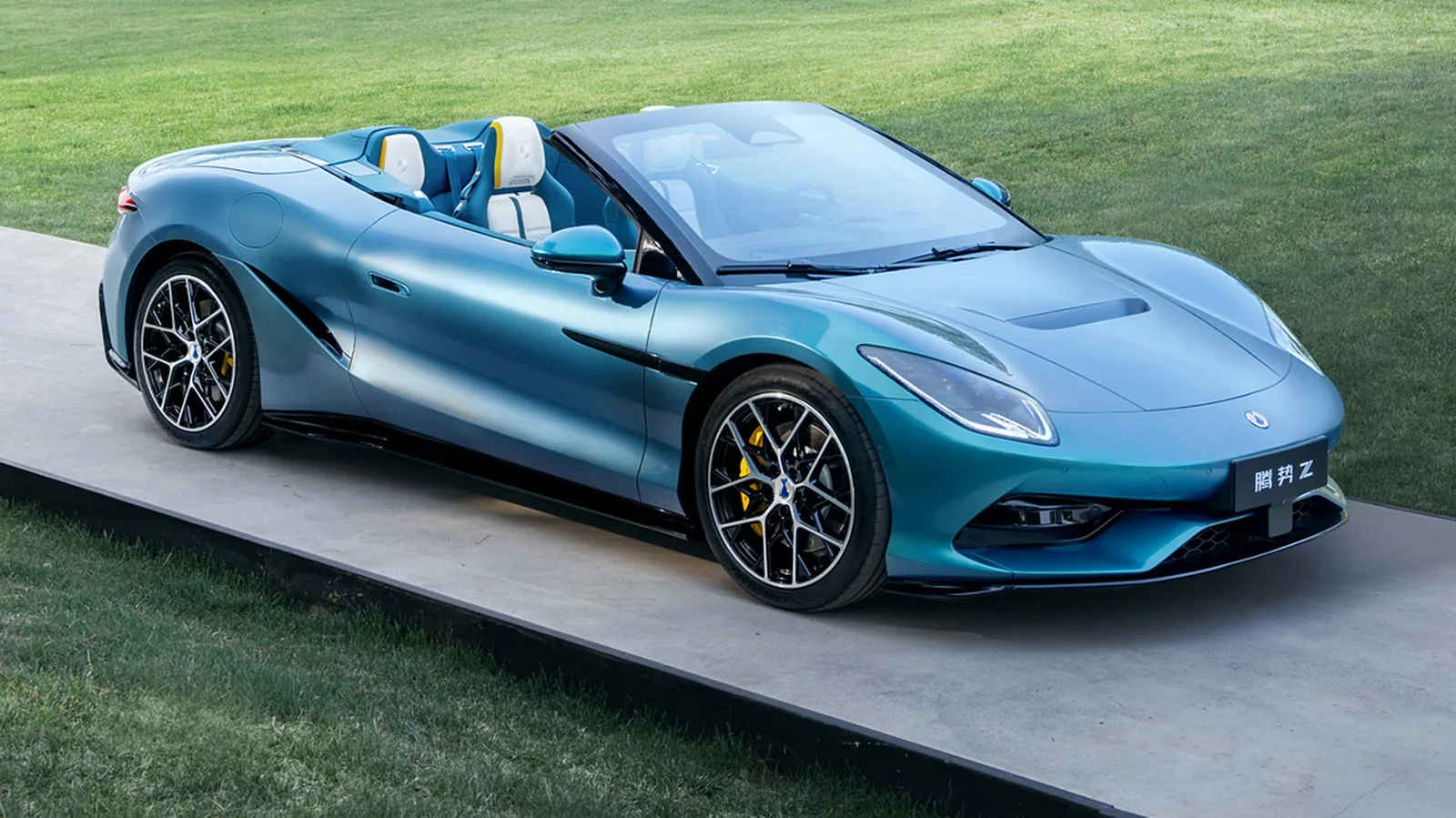
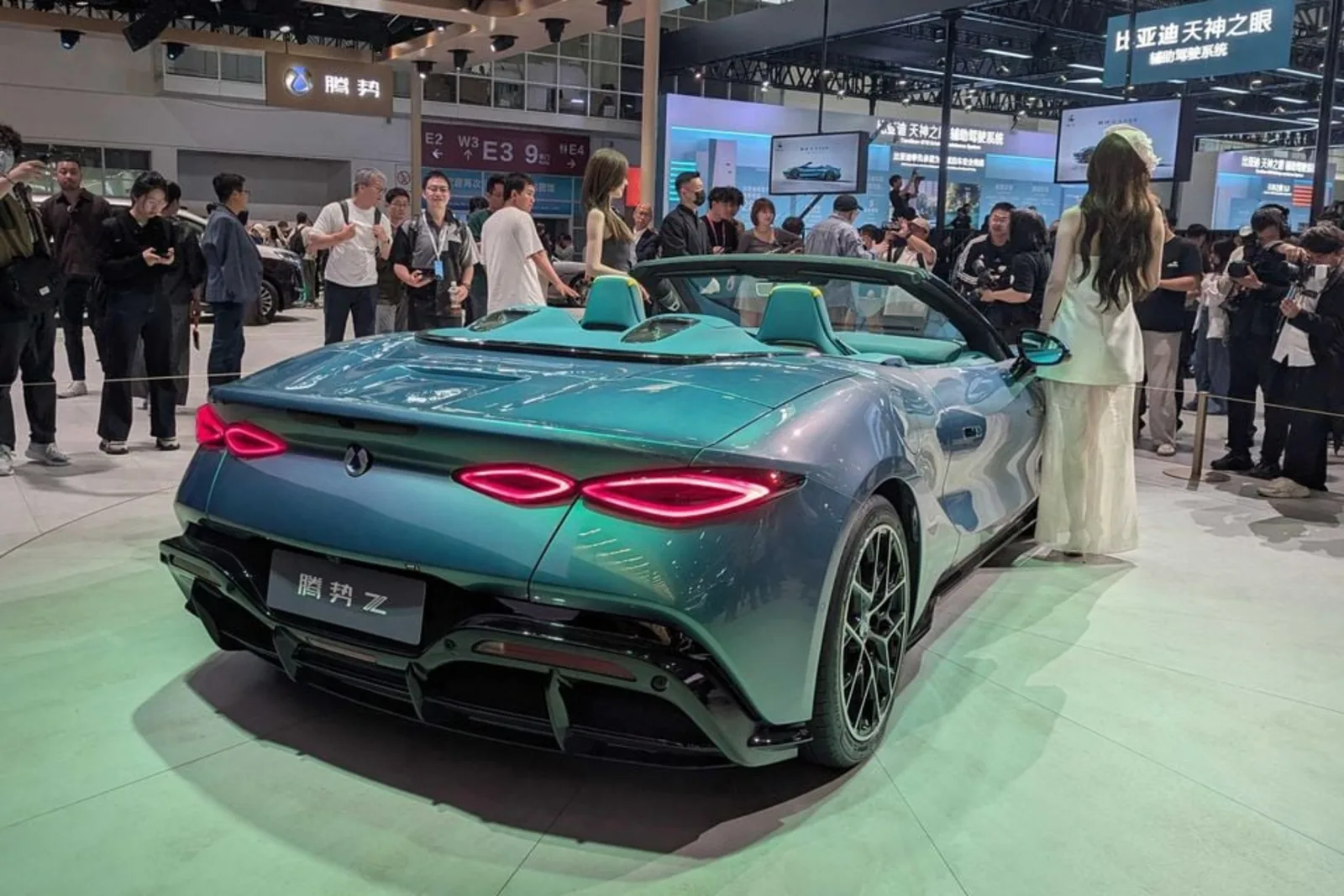
For decades, the recipe for an open-top hero car came from the same five postcodes: Stuttgart, Affalterbach, Munich, Ingolstadt and Maranello. On April 24, in Beijing, that monopoly cracked. BYD's premium arm Denza pulled the cover off the Z Convertible — an electric, four-seat spider with more than 1,000 horsepower, a claimed 0–100 km/h time of under two seconds, and a launch strategy that puts Europe before China. Read that last sentence again. This time, the threat is not theoretical.
A Hypercar at Half the Price of a 911 Cabriolet
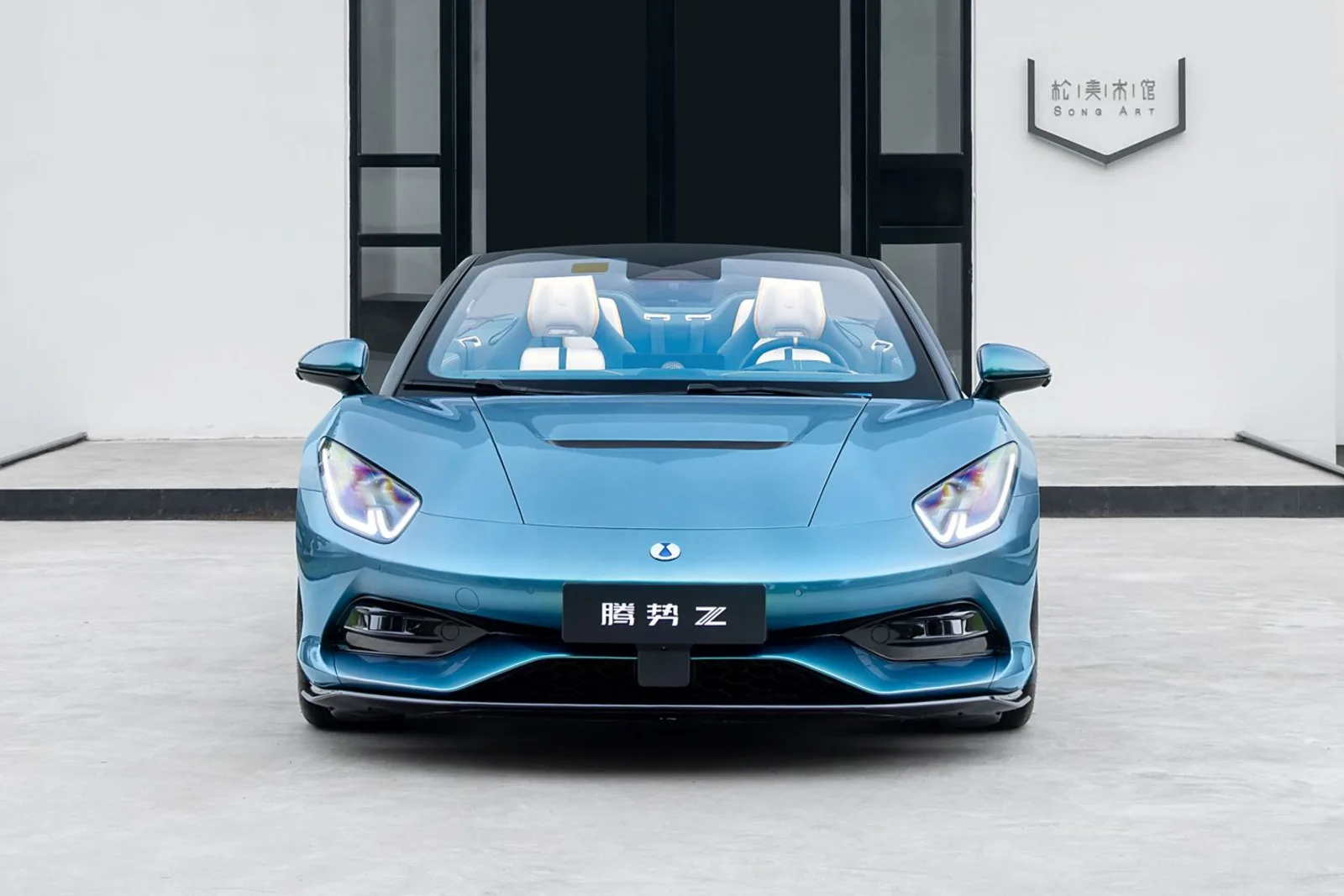
Powering the Z is BYD's e3 “Yi Sanfang” tri-motor all-wheel-drive system, fed by a new generation of the Blade Battery. Add Flash Charging 2.0 — the same 1,000 kW-class platform debuting on the Z9 GT — and you can refill the car in around five minutes. Chassis duty falls to the DiSus-M magnetorheological body-control system already proven on the Yangwang U9, paired with full steer-by-wire and predictive road-sensing. There is a hood-mounted air duct generating downforce that BYD calls “ground-hugging flight”.
Three editions were trailed in Beijing as Standard, Convertible and Track; the production line-up confirmed at Goodwood is Coupe, Spider and Racing. The open version runs a soft top and an active roll bar integrated into the bodywork, with seats that house speakers in the headrests — because open-air audio matters when you cannot lower the windows on a coupe. Pricing was not confirmed at the show, and the Z9 GT's €115,000 European start was the only benchmark available; UK pre-sale pricing has since been set at £142,900 for the Coupe. Even so, this car undercuts a Porsche 911 Turbo S by a wide margin while delivering more power than any Carrera, Turbo or GT3 currently on sale.
Why Stuttgart, Munich and Affalterbach Should Be Losing Sleep
The Z Convertible is the first Chinese-built car that comfortably out-specs a Porsche 911 Turbo S Cabriolet, a Mercedes-AMG SL 63 S E Performance, a BMW M8 Competition Convertible, and the soon-to-arrive Audi R8 successor — on paper, on a dyno, and at the charging plug. Worse for the incumbents, it launched globally at the Goodwood Festival of Speed in July, ahead of the domestic Chinese rollout. That was a calculated gesture: Denza wanted its first impression made on the lawn of Lord March, in front of European buyers, on European roads, against European cars. Nürburgring testing was said to be underway at the time of the Beijing debut; as of September 2026 no public Nordschleife lap time has been released.
For the German Big Three, the math has been getting uglier for two years. EV margins have collapsed. Combustion development budgets are being squeezed to fund electrification that consumers in Europe are buying more slowly than forecast. BYD now sells more passenger cars than Volkswagen Group in China and is the largest EV maker on Earth. With Denza, BYD has the volume, the supply chain, the battery vertical-integration, and now — with the Z — a halo product that European premium brands cannot match on cost, technology, or performance per euro. Porsche's electric Boxster and Cayman replacements are still 18 months out. Mercedes's AMG.EA platform is delayed. BMW's Neue Klasse M car will not arrive until 2028 — the M Concept Neue Klasse shown at Le Mans in June 2026 was still a concept. Denza took UK orders in the summer of 2026.
This is the moment the China-vs-Europe supercar war stops being a slide in an investor presentation and starts being something you can actually buy.
The Verdict: A Wake-Up Call Cast in Carbon Fibre
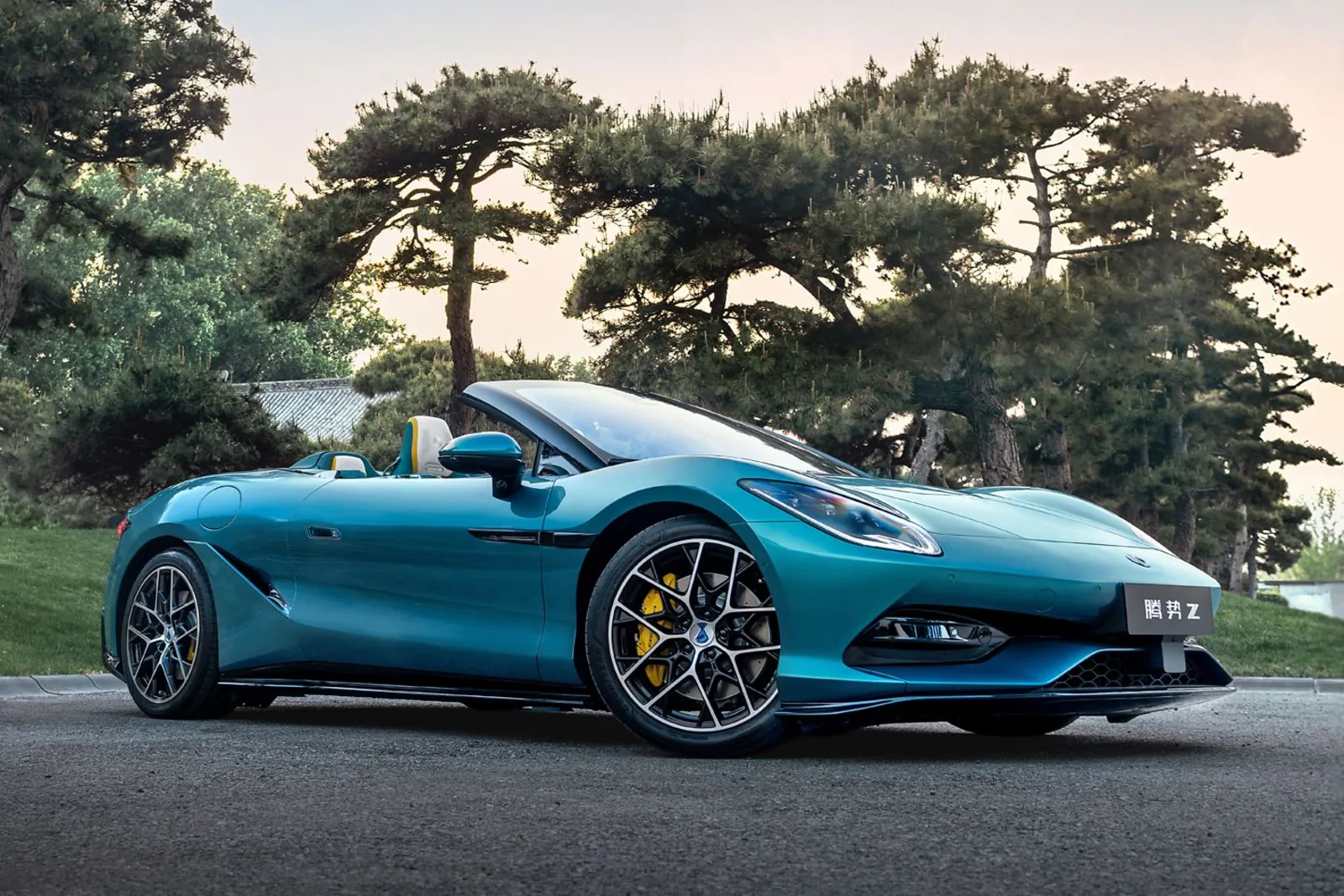
The Z Convertible is not just another Chinese EV. It is a statement of intent. By debuting in Beijing and launching first in Europe, BYD is telling Stuttgart that the next decade of premium performance will not be written in German. The Yangwang U9 was the proof of concept. The Denza Z is the production weapon. The R8 is dead, the SL is heavier and slower, the 911 Turbo is more expensive, and the i8 has been gone for years. For the first time since the rise of the modern supercar, a Chinese open-top can credibly tell a Porsche customer: follow me.
Goodwood was loud that July. Not from V8s — from silence broken by four figures of electric thunder and the sound of European boardrooms scrambling for a response.