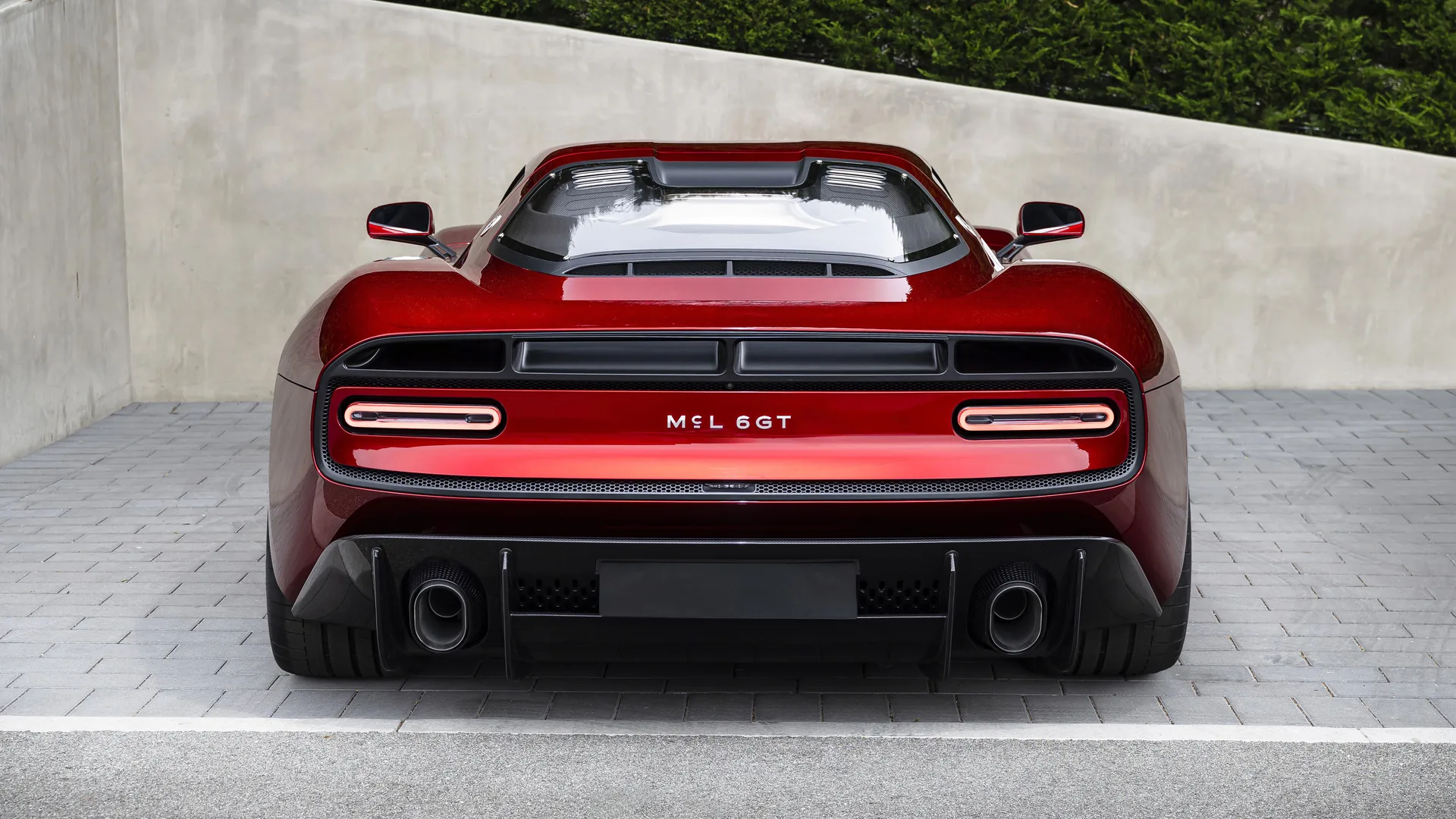
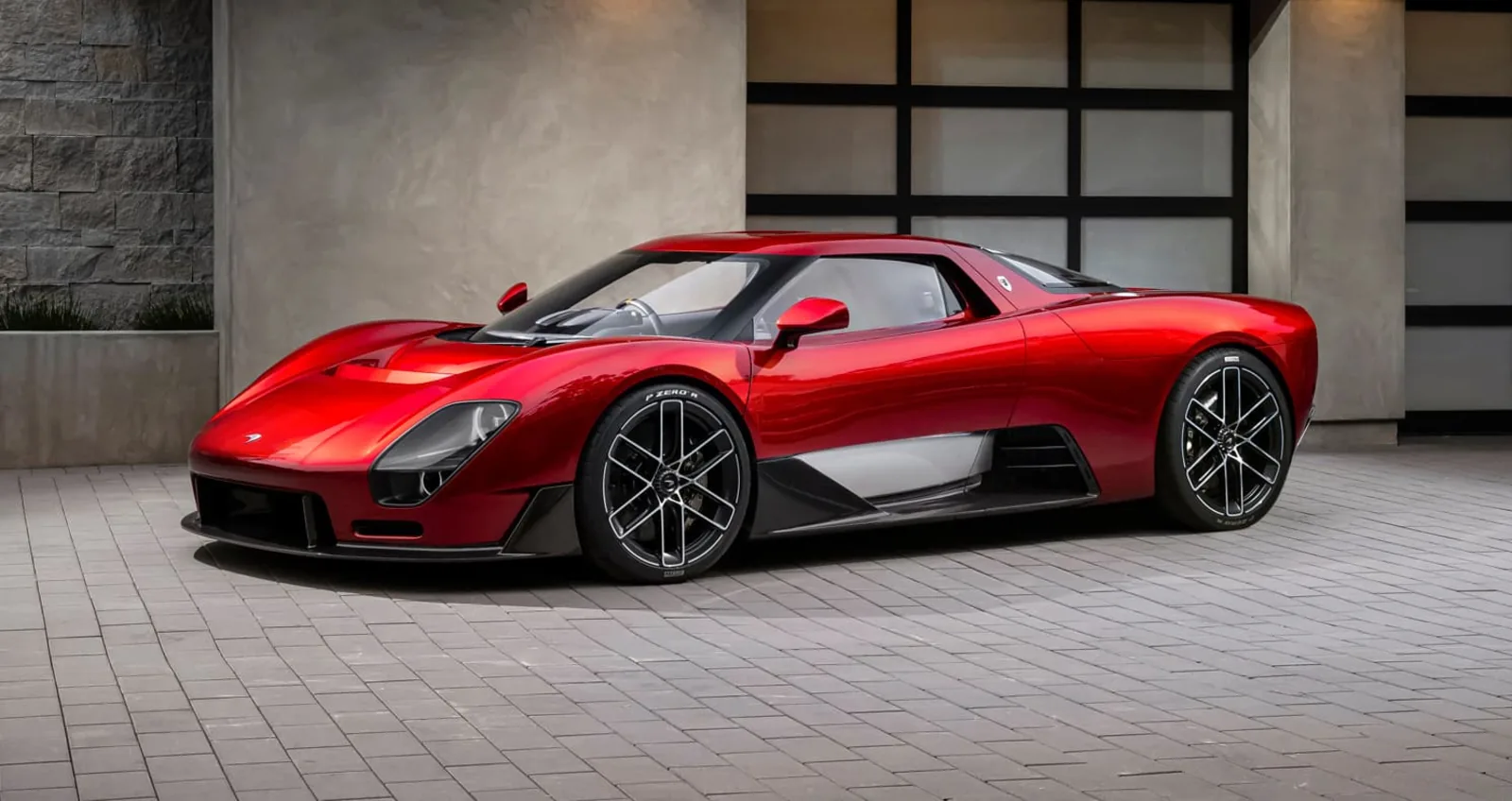
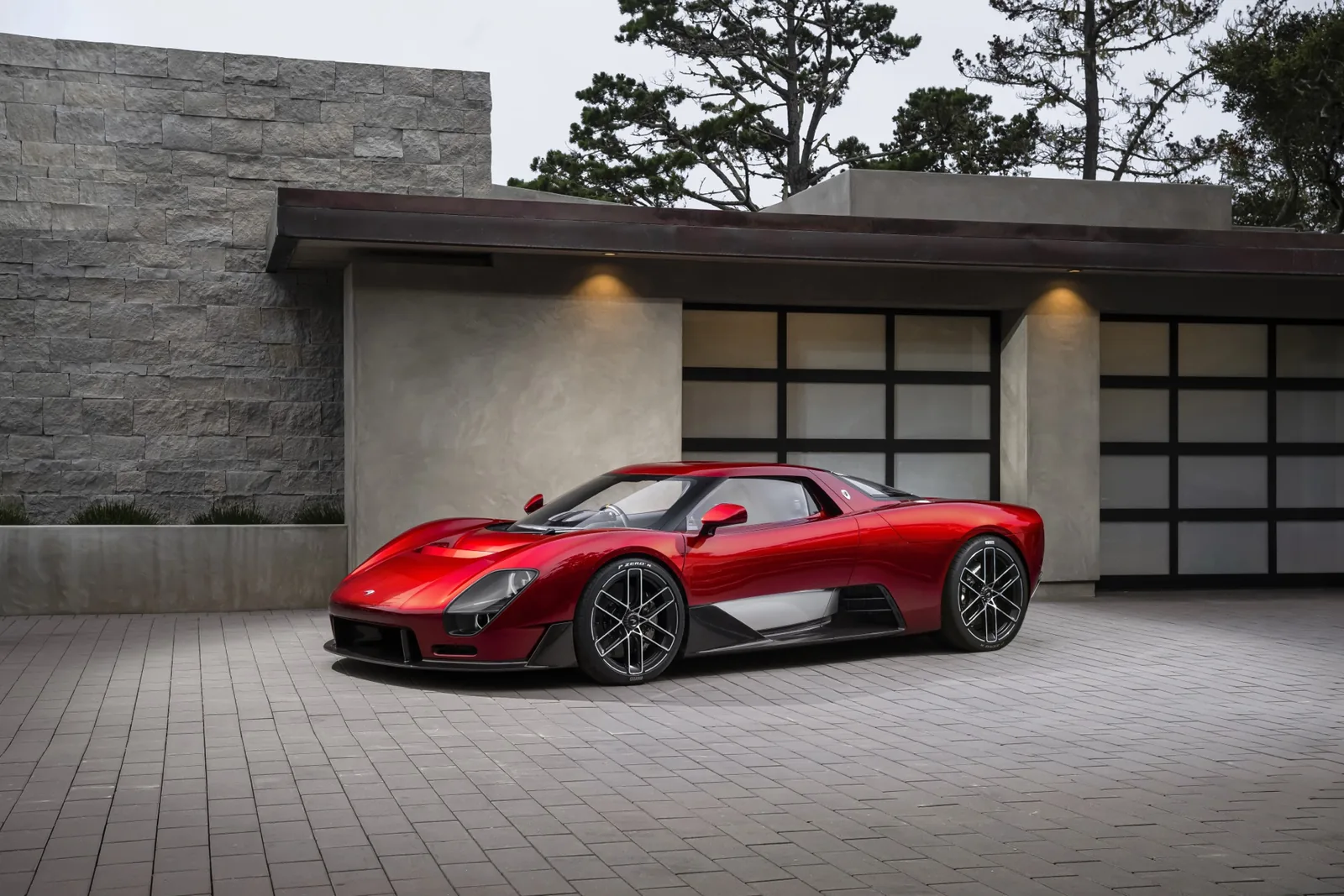
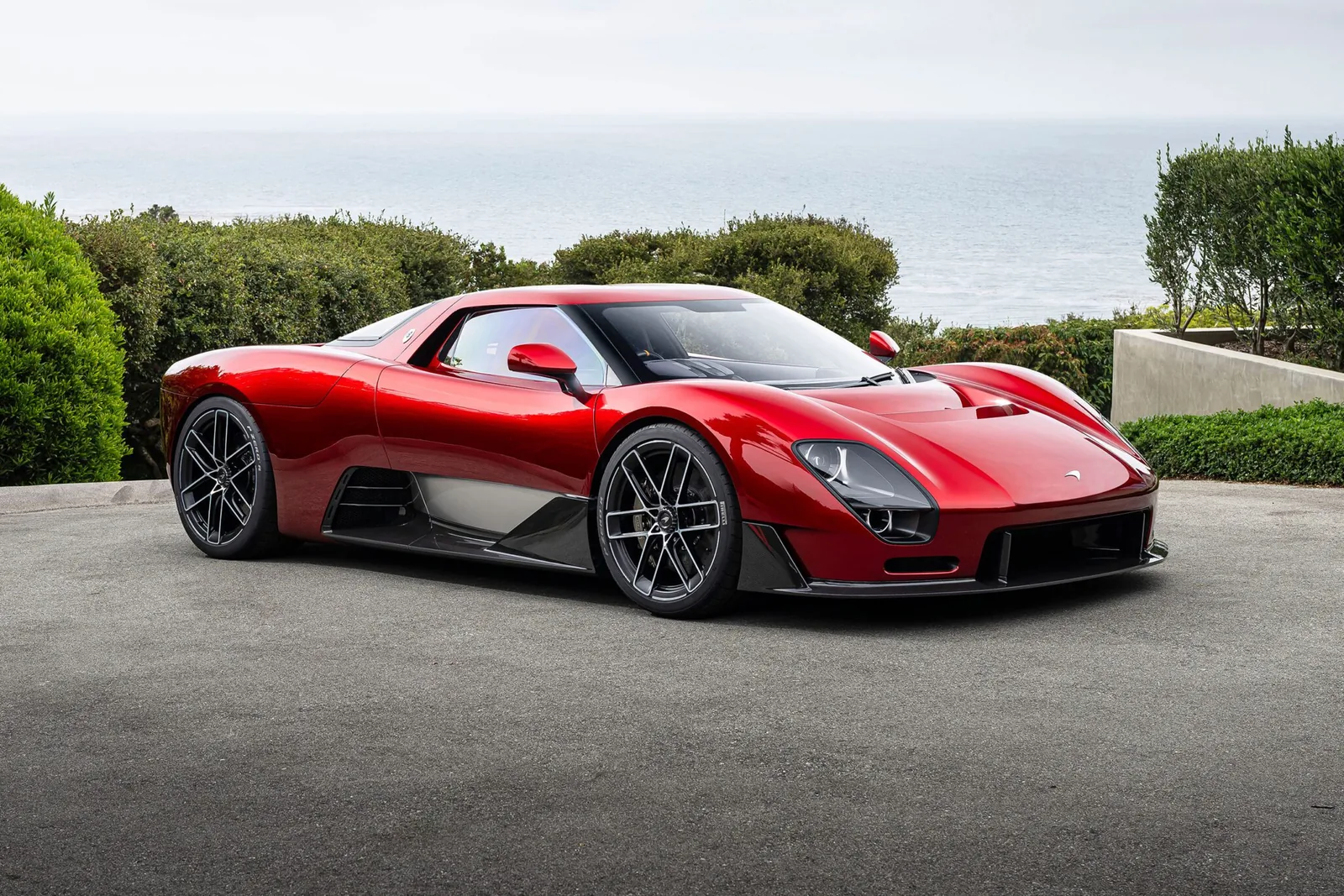
McLaren revealed the McL 6GT concept at Monterey Car Week 2026 on August 14, previewing a low-volume production supercar due in 2028. The car reaches back to Bruce McLaren's unfinished 1969 M6GT road-car project and reintroduces a real six-speed manual gearbox — the first manual McLaren since the McLaren F1 of 1992.
Under the carbon skin sits a naturally aspirated V8 driving the rear wheels through an H-pattern manual, paired with hydraulic steering and knurled aluminium controls. McLaren has held back power, weight and performance figures — the McL 6GT is officially a concept, but the company has already confirmed it will reach production largely unchanged and sit above the core sports-car and supercar range.
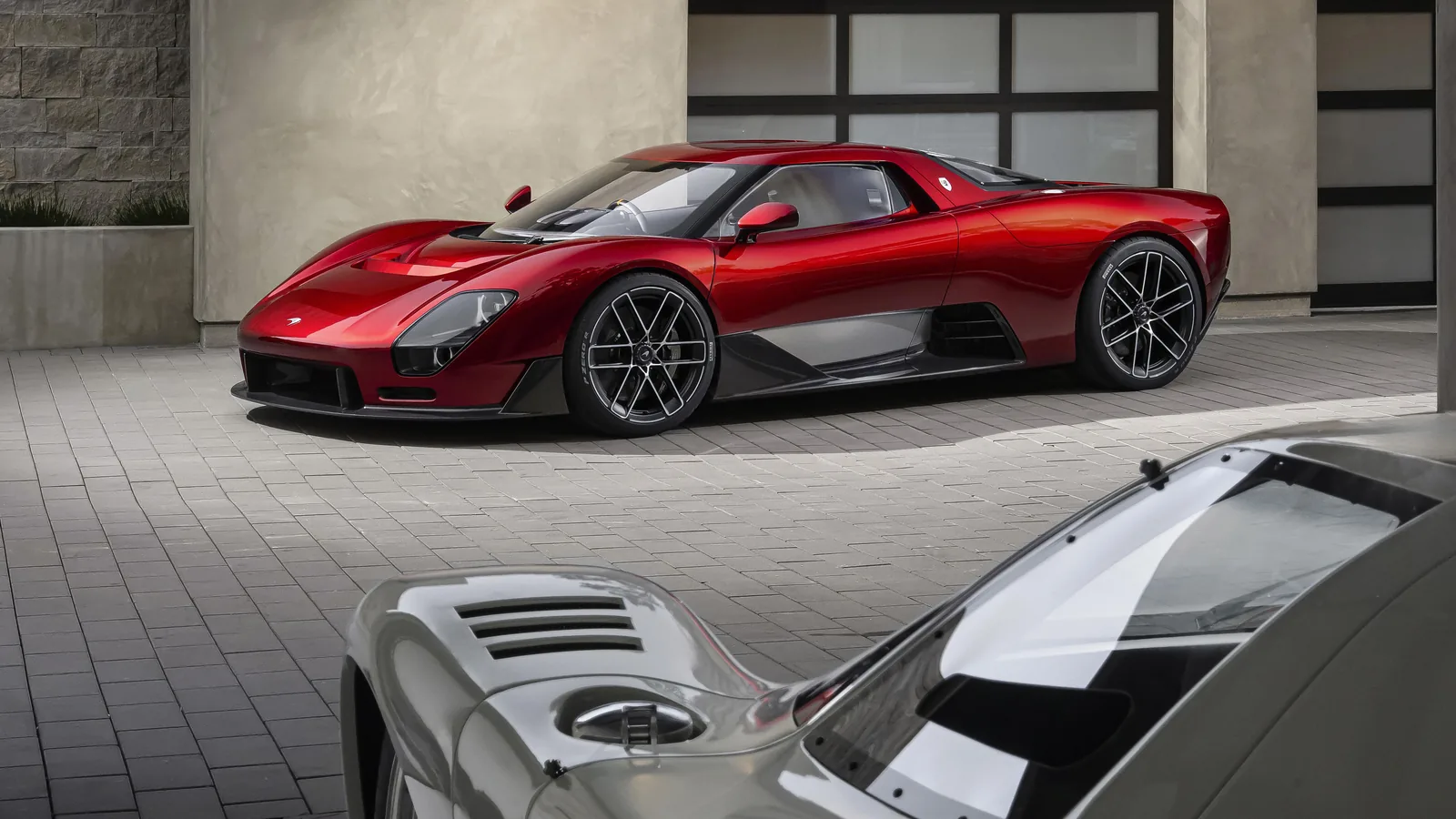
McLaren McL 6GT Confirmed Specifications
McLaren released a deliberately incomplete technical fact sheet at the Monterey debut. The table below lists only what the manufacturer has confirmed on the record.
| Parameter | McLaren McL 6GT (2028) |
|---|---|
| Engine architecture | V8 internal combustion, mid-mounted |
| Hybrid assistance | None (non-hybrid, no electric motor) |
| Transmission | 6-speed manual, H-pattern gate |
| Drivetrain | Rear-wheel drive |
| Chassis | Carbon-fibre monocoque |
| Bodywork | Full carbon fibre |
| Steering | Hydraulic (not electric) |
| Body style | Two-seat mid-engine coupe |
| Doors | Dihedral |
| Positioning | Beyond core portfolio, below Ultimate Series |
| Concept debut | Monterey Car Week 2026 (The Quail) |
| Production start | 2028 |
| Estimated price (industry) | ~US$1.5M pre-options |
| Power output | Not disclosed by McLaren |
| 0–100 km/h | Not disclosed by McLaren |
| Top speed | Not disclosed by McLaren |
| Kerb weight | Not disclosed by McLaren |
Why a Manual Gearbox Matters Here
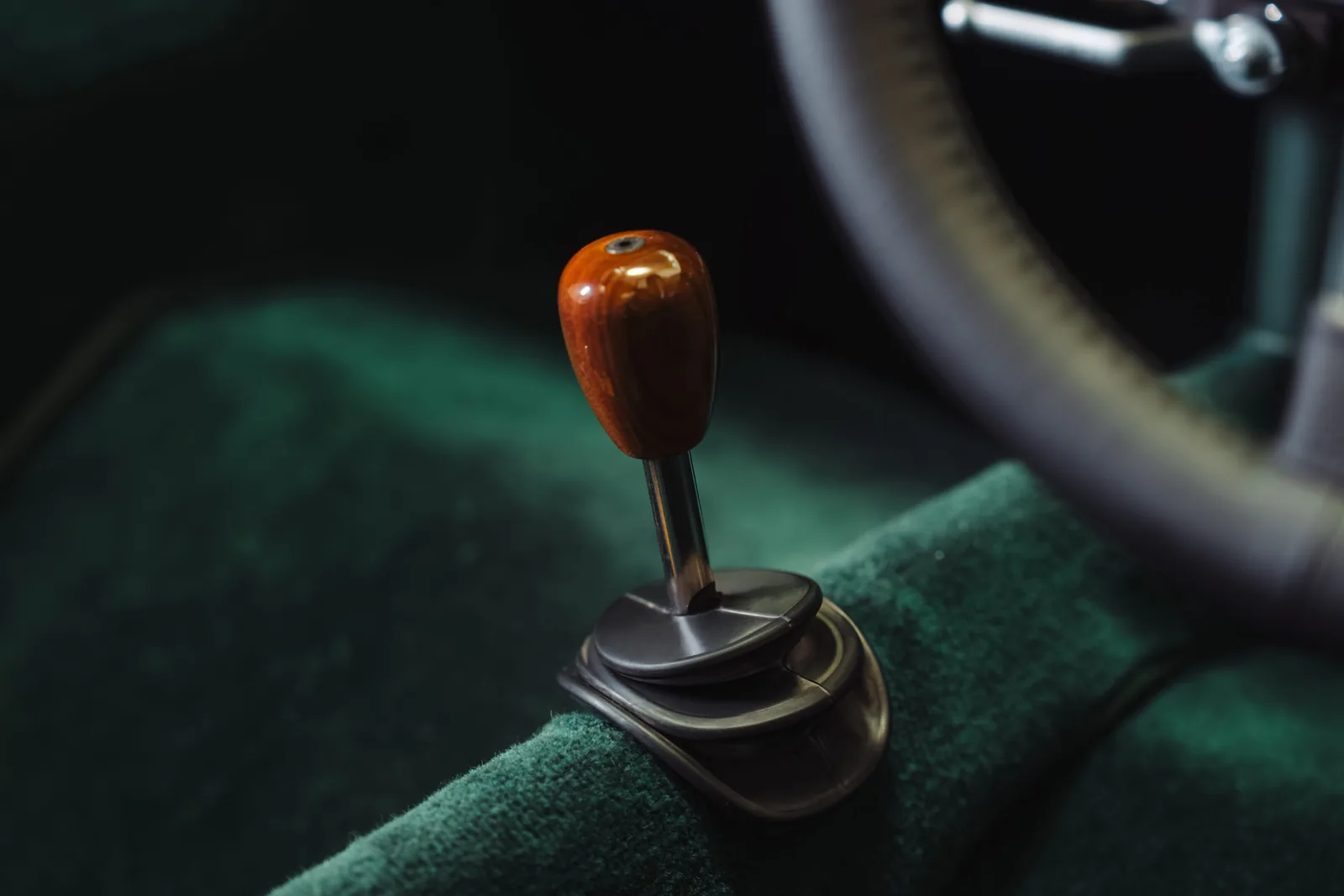
The McL 6GT is only the second McLaren road car ever offered with a manual transmission. The first was the Gordon Murray-designed McLaren F1, which used a bespoke six-speed gearbox by Weismann until production ended in 1998. Every McLaren road car since — from the SLR (which used an automated manual) through the MP4-12C, 720S, Senna, Speedtail, 750S and W1 — has used a dual-clutch automatic or, in the case of the SLR, a paddle-shifted five-speed autobox.
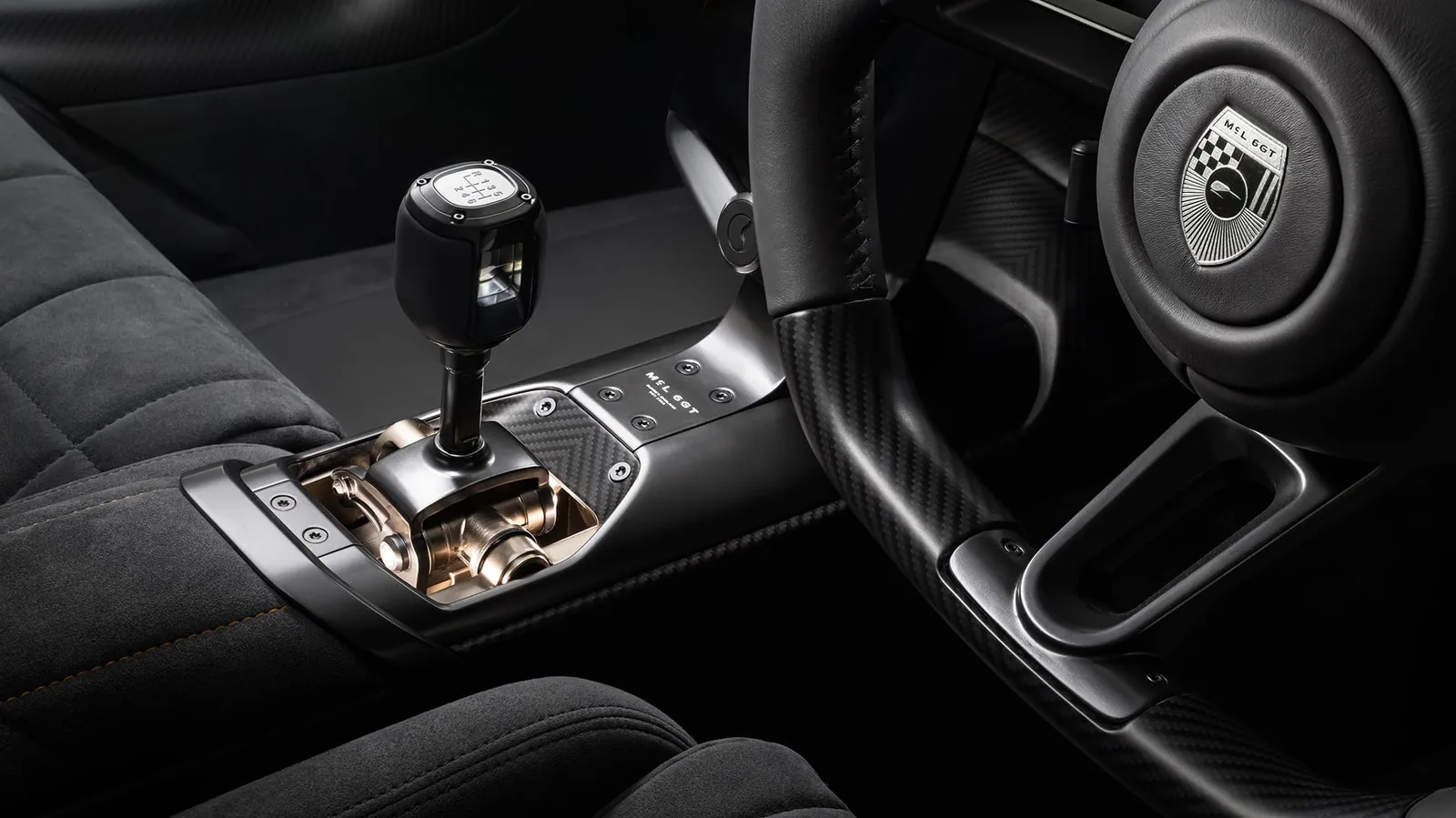
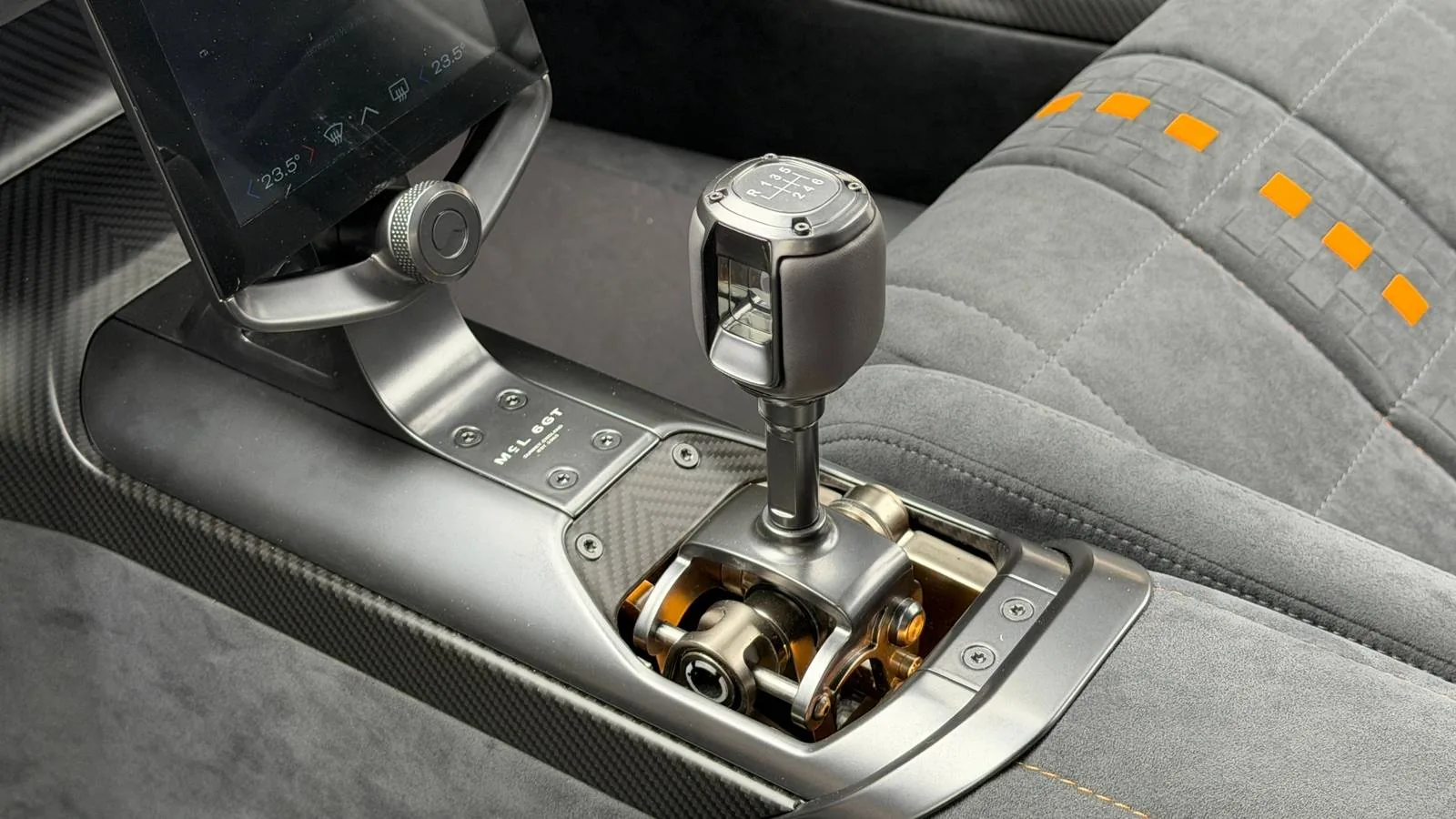
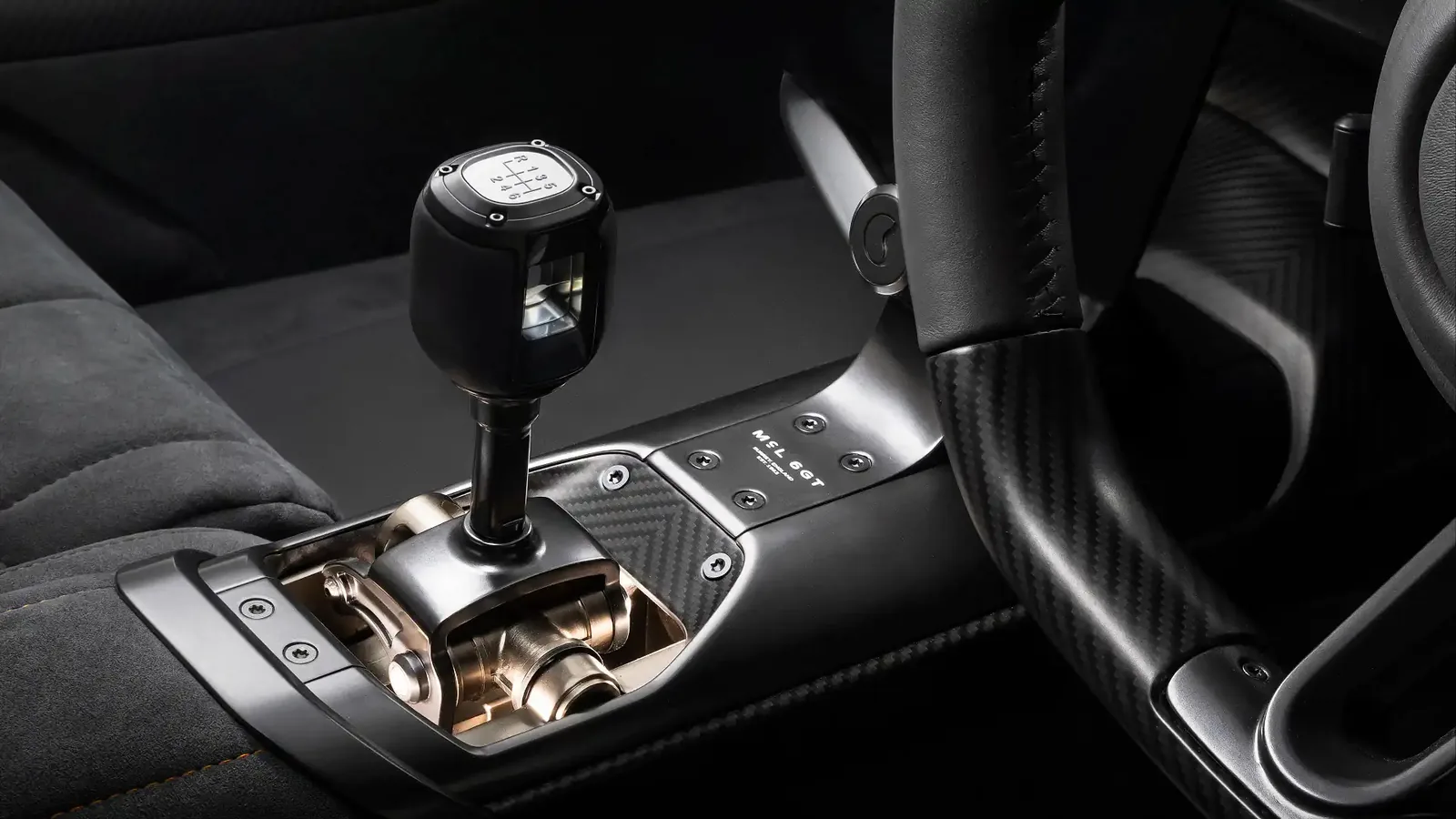
McLaren's engineering brief for the McL 6GT reads as a rejection of the industry's simulated-manual solutions. Ferrari has recently patented a gated shifter that sits on top of a dual-clutch transmission and only mimics manual operation. Aston Martin's Valour and Valiant use a real manual, but with a torque-converter transmission underneath. The McL 6GT, by contrast, uses a mechanical H-pattern shifter, a clutch pedal and a manual gearbox routed to the rear axle. The shifter itself carries a three-dimensional Speedy Kiwi at the base of the knob — a callback to the logo Bruce McLaren used before the racing team adopted its more familiar Vortex swoosh.
M6GT Heritage: Bruce McLaren's Unfinished Road Car
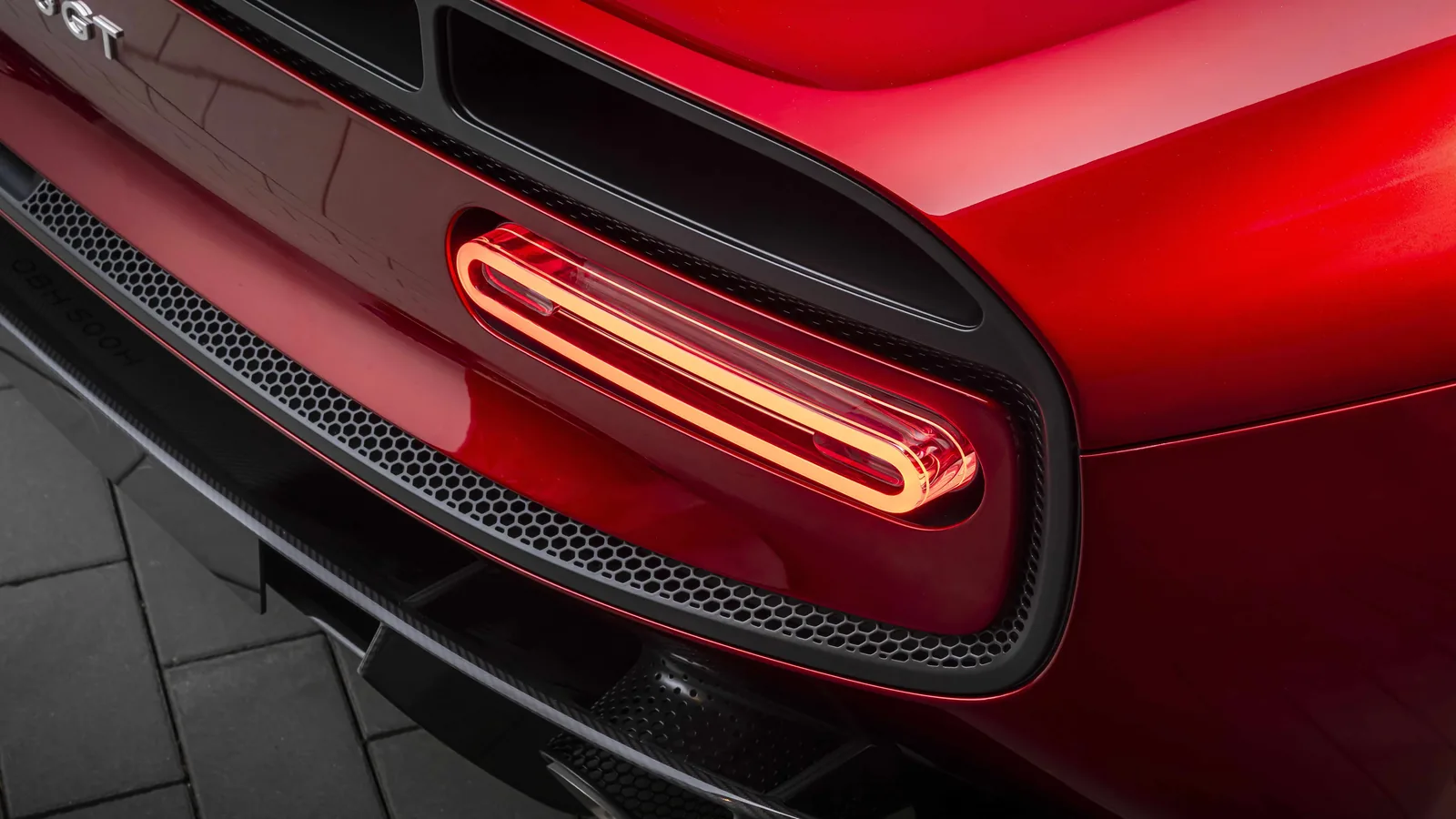
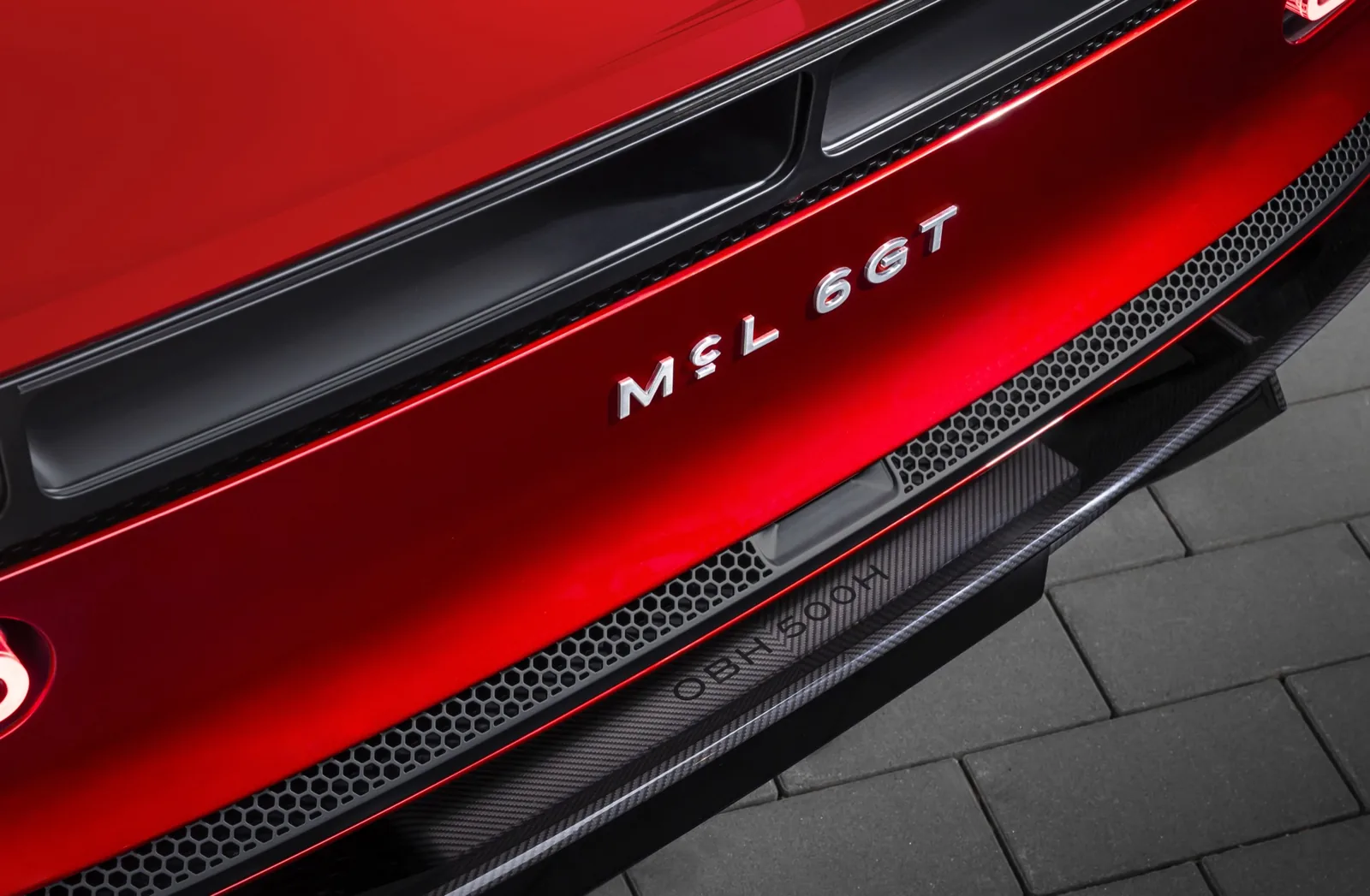
The name traces directly to the original McLaren M6GT, a road-car project Bruce McLaren began developing in 1969 based on the M6A/B Can-Am chassis. Bruce completed one prototype, registered OBH 500H, and used it as his personal daily transport before his death at Goodwood in June 1970. The M6GT road-car programme never entered production.
McLaren Automotive has embedded that history into the McL 6GT's design details: the OBH 500H registration inspires a discreet graphic on the car, Bruce's signature appears in the engine bay, and the Speedy Kiwi — used on Bruce's early race cars — sits on the fuel-filler cap and gear knob. The concept's proportions, especially the low roofline, wide rear haunches and short front overhang, are drawn from the M6GT's Can-Am silhouette rather than the more recent 720S-lineage McLaren styling language.
For the wider heritage story — including McLaren Special Operations' 2026 restoration of a period M6GT — see the McLaren M6GT: Restored by MSO feature.
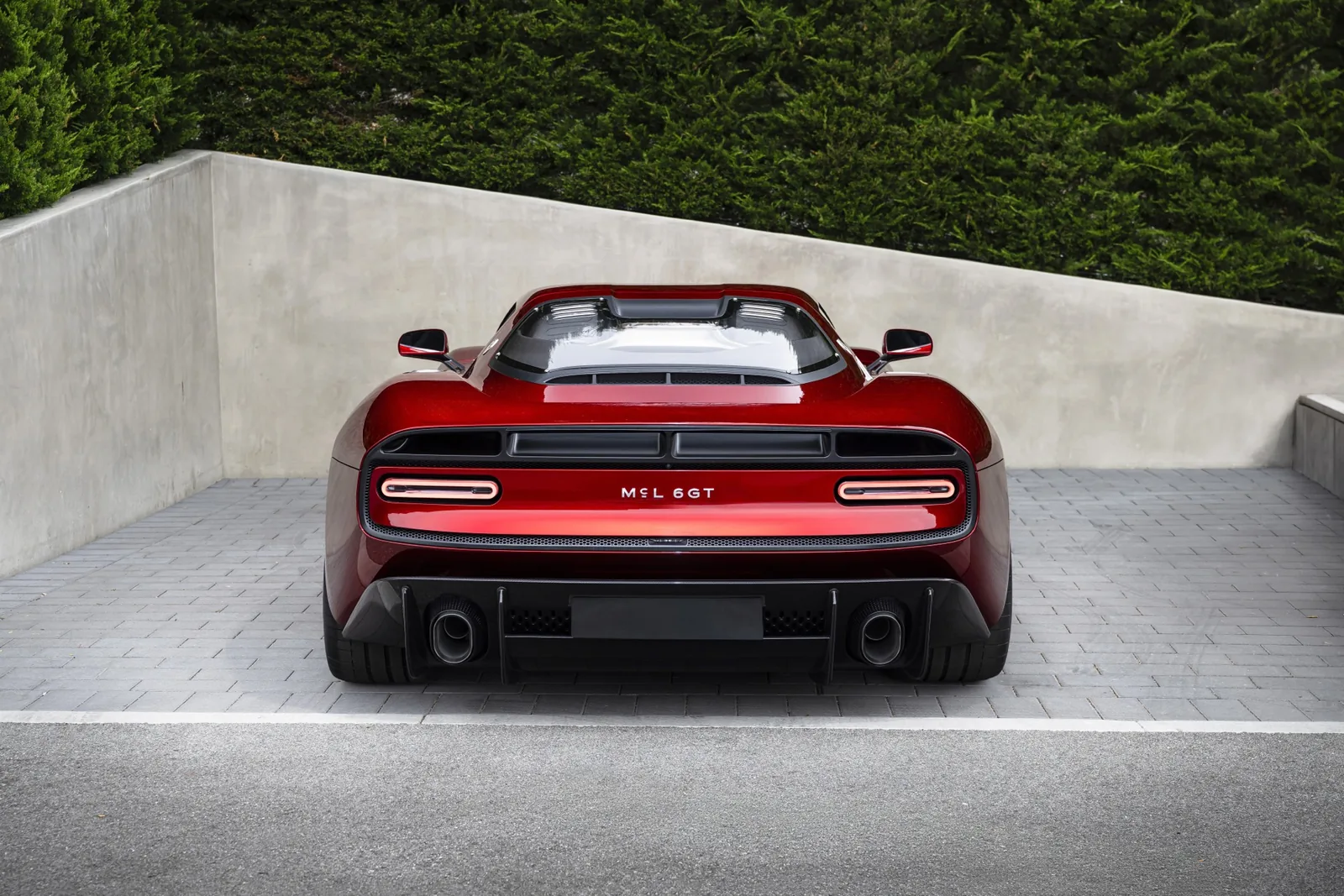
What We Know About the V8 Engine
McLaren has kept exact engine specifications confidential. What the company confirmed on August 14, 2026:
- V8 internal-combustion engine, no hybrid assistance and no electrification
- Mid-mounted longitudinally behind the passenger cell
- Drives only the rear wheels through the six-speed manual
- Designed to deliver a "tactile, analogue and deeply mechanical" experience
Industry consensus points at a naturally aspirated development of the new 4.0-litre V8 that debuted in the McLaren W1 hypercar, but without the W1's e-motor and battery pack. Auto Express estimates a realistic output around 800 bhp given the manual transmission's torque-handling ceiling, while the naturally aspirated 750S V8 produces 740 bhp for reference. Neither figure is confirmed by McLaren.
Interior: Analogue Tactility, Modern Displays
The cabin architecture centres on the driver. The digital instrument display sits behind a small hydraulic-assisted steering wheel; secondary controls use machined, knurled aluminium switches rather than the capacitive touch surfaces recent McLarens have relied on. Two box-quilted seats face forward. The centre console leaves the manual shifter as the visual focal point, with a small screen mounted low so that it stays out of the driver's primary sight line.
McLaren says the McL 6GT's ergonomics prioritise "driver connection" over infotainment surface area. There is no visible large centre touchscreen in the concept. The company has yet to disclose which driver-assistance systems the 2028 production version will carry, and the concept car does not show visible steering-wheel-mounted cruise or lane-keep controls.
Production, Pricing and Positioning
The McL 6GT enters production in 2028 as an "ultra-exclusive" model positioned above McLaren's core portfolio (the 750S, GTS, Artura family) but below the Ultimate Series (Elva, Senna, Speedtail, W1). McLaren has not disclosed exact production numbers, but the company describes the McL 6GT as a "new tier" of supercar aimed at collectors.
Car and Driver reported a pre-options price of approximately US$1.5 million from McLaren sources at the Monterey debut. That would sit the McL 6GT above the W1's roughly $2.1 million MSRP would be less than expected — most industry outlets modelled a $3–5 million ceiling — and would represent a repositioning of what "beyond core portfolio" means for McLaren. Final pricing has not been officially confirmed and could rise before deliveries start in 2028.
McLaren McL 6GT vs McLaren F1: What the Comparison Reveals
The McL 6GT is not a spiritual F1 successor in the way the Speedtail was, but the manual gearbox and three-pedal layout put it into direct dialogue with McLaren's 1992 icon. Key comparison points on public data:
| Attribute | McLaren F1 (1992–1998) | McLaren McL 6GT (2028) |
|---|---|---|
| Engine | BMW 6.1 L V12, naturally aspirated | McLaren V8 internal combustion, non-hybrid |
| Transmission | 6-speed manual, Weismann H-pattern | 6-speed manual, H-pattern |
| Drivetrain | Rear-wheel drive | Rear-wheel drive |
| Chassis | Carbon-fibre monocoque | Carbon-fibre monocoque |
| Seating | 3, driver centre | 2, driver left/right |
| Weight | ~1,140 kg | Not disclosed |
| Power | 627 bhp | Not disclosed (estimated ~800 bhp) |
| Original list price | £540,000 (1994) | ~US$1.5 million (unconfirmed) |
| Production run | 106 units total | Not disclosed — "ultra-exclusive" |
What Happens Between Now and 2028
The concept shown at Monterey is described by McLaren as a "pre-production prototype", not a running showcase. The company has confirmed the car will reach production largely in this configuration but has not yet opened order books or disclosed how it will allocate build slots. Historically, McLaren Ultimate Series cars (Senna, Speedtail, Elva, W1) sold out through invitation-only allocation before public reveal.
The 2028 timing gives McLaren roughly 24 months to homologate a manual-transmission drivetrain against the latest European and US emissions and safety regulations, including the EU's General Safety Regulation 2 phase-in. McLaren has not commented on which markets will receive the McL 6GT beyond confirming right-hand-drive and left-hand-drive builds.
Related reading: McLaren M6GT: Restored by MSO · Hennessey Blackbird · Bugatti Destrier
Frequently Asked Questions
How much does the McLaren McL 6GT cost?
The McLaren McL 6GT is priced at approximately US$1.5 million before options. Full pricing and specification packages will be confirmed closer to the 2028 production launch.
Does the McLaren McL 6GT have a manual gearbox?
Yes. The McL 6GT features a driver-focused manual transmission developed to complement its analogue GT positioning. It is McLaren's first mid-engine production car with a fitted manual gearbox in the modern era.
What engine powers the McLaren McL 6GT?
The McLaren McL 6GT uses a mid-mounted V8 internal-combustion engine. Full displacement, boost configuration and output are not yet disclosed and will be released before deliveries begin.
When did the McLaren McL 6GT debut?
The McLaren McL 6GT made its world debut at Monterey Car Week 2026, presented at The Quail motorsports gathering. Production is scheduled to begin in 2028.
Is the McL 6GT a tribute to the Bruce McLaren M6GT?
Yes. The McL 6GT references Bruce McLaren's unfinished M6GT road car concept from 1969, adopting its Can-Am-inspired proportions and single-seat GT philosophy in a modern carbon-fibre package.
How does the McL 6GT compare to the McLaren F1?
The McL 6GT is positioned as a modern analogue GT that echoes the F1 philosophy: driver-focused ergonomics, lightweight carbon construction, and a naturally engaging V8 with a manual gearbox. It is not a direct F1 replacement.
How many McL 6GT units will be produced?
McLaren has confirmed strictly limited production but has not yet published a final unit count. Deliveries are expected to begin in 2028 with a multi-year build cycle.
Where is the McLaren McL 6GT positioned in the range?
The McL 6GT sits above the 750S in McLaren's hierarchy as a bespoke, analogue-focused GT flagship. It is not designed to replace hybrid supercars such as the Artura or W1.